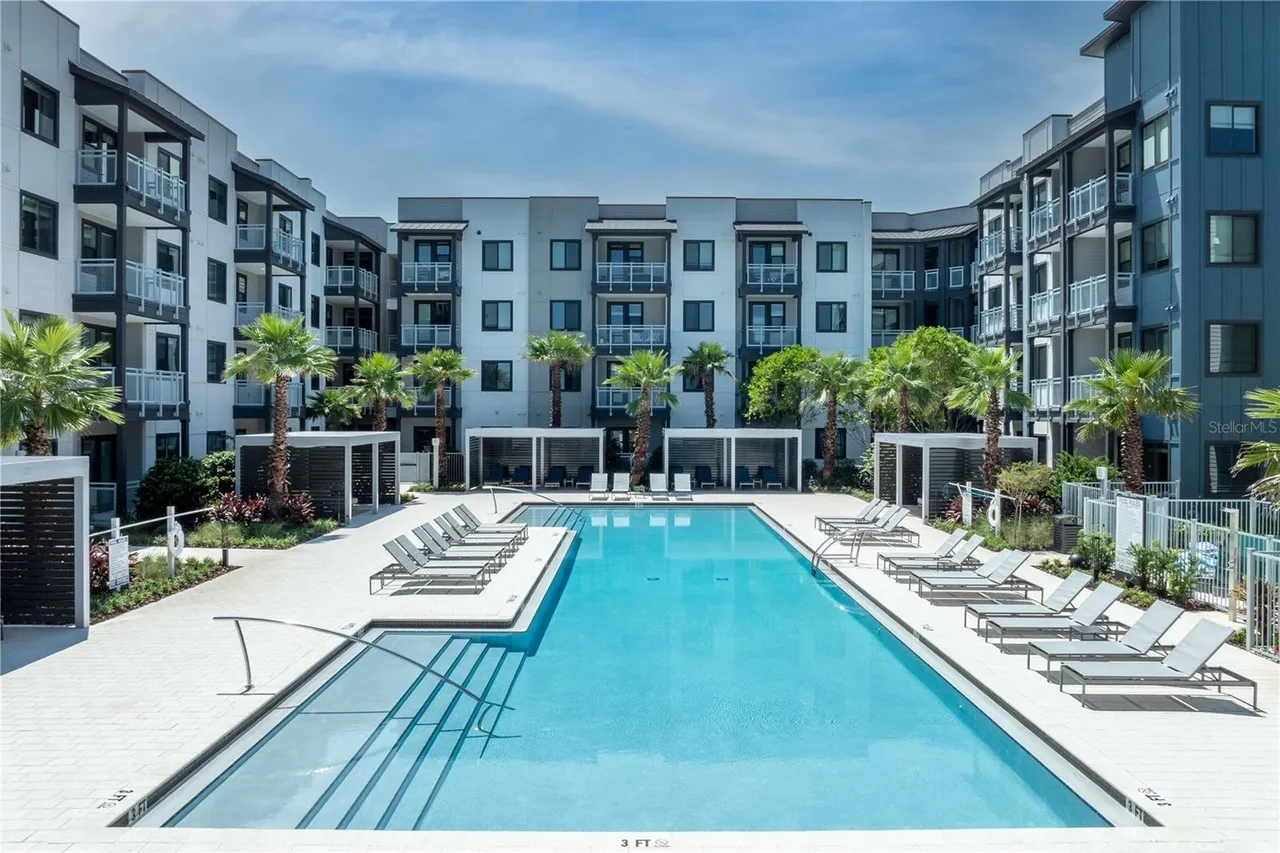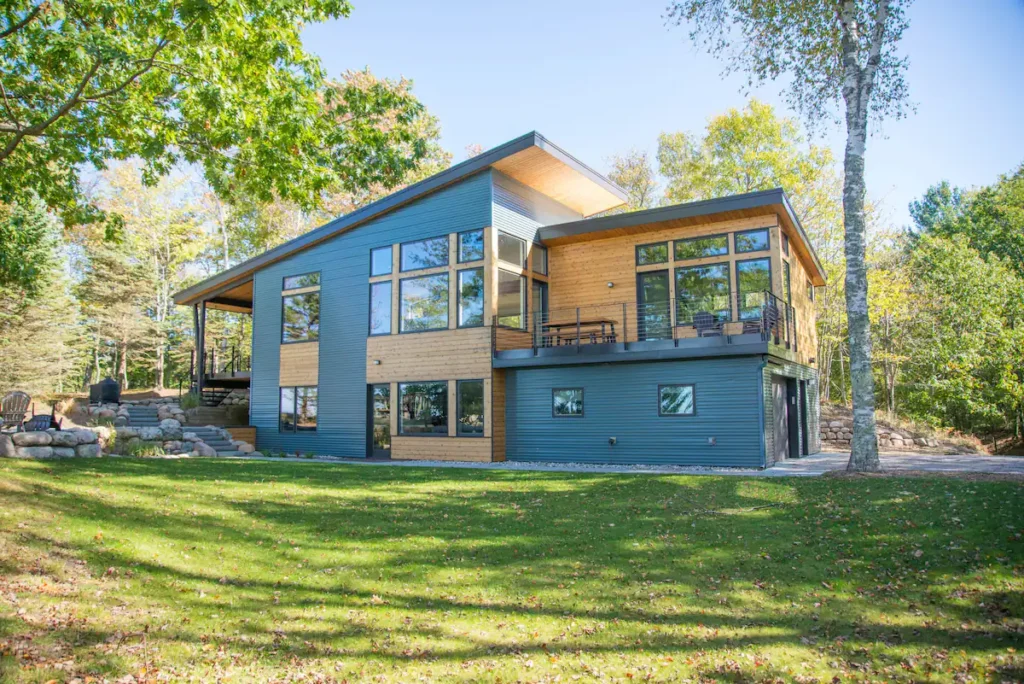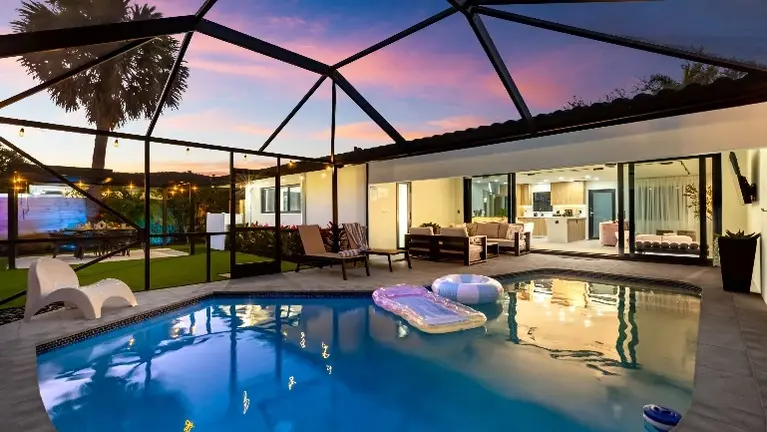
A coastal short-term rental is rated on the storm before anything else. Wind from a named storm usually carries its own percentage deductible, flood is excluded from the property policy and bought as a separate policy, and fewer insurers are willing to write the exposure than for an inland property. The liability and income coverage work the same as for any rental, but they depend on a property placement that is harder to make. This guide explains what makes a rental coastal to an insurer, and what to ask before you buy or renew.
What Makes a Rental Coastal to an Insurer
“Coastal” is not a place name on an application. It is a set of facts about the property, and insurers read them in roughly this order.
- Distance to the water. The closer to the shoreline, the more of the storm the property faces, and a house on a barrier island or a sea island faces it from several sides.
- Elevation. The height of the lowest floor decides how much surge or rain it takes to reach the living space.
- Construction and roof. The age of the building, the roof shape and covering, and the protection on windows and doors are the wind-resistance facts insurers price on.
- The name of the storm. Policies define the event that triggers the deductible, and the definition is not the same on every form.
Markets that illustrate the range include Galveston on the Texas Gulf, the 30A stretch of Walton County on the Florida Panhandle, Naples on Florida’s Gulf coast, and Hilton Head in South Carolina. They are different coasts with different building stock, and a policy that fits one will not automatically fit another. For a Florida-specific walkthrough, see our guide to Florida STR wind, flood, and liability, and for state context see our South Carolina and Texas location pages.
Named-Storm Wind: The Trigger and the Deductible
On a coastal policy, a wind loss from a storm that meets the policy’s definition is usually handled under a separate deductible stated as a percentage of the dwelling limit, which applies in addition to the standard deductible. Ask four things.
- What is the trigger? Some policies apply it to a hurricane, some to any named storm, and the definition of when it begins and ends varies.
- What is the percentage applied to? The dwelling limit. If the limit is below the cost to rebuild, the percentage is applied to a low number, and the gap is yours.
- Does it apply per storm or per season? The answer changes what a second storm costs you.
- Is wind covered at all? In some markets, wind and hail are excluded from the main policy and placed separately.
That last point is where the market matters. The Texas Windstorm Insurance Association (TWIA) describes itself as a not-for-profit insurance company that offers windstorm and hail insurance to home and commercial property owners who cannot get that coverage in the regular market because of the risk of catastrophic hurricanes. Other coastal states have their own state-created options. Whether a rental qualifies for any of them is a question to put to an agent, because eligibility rules are written around the use of the property.
Surge, Rain, and the Flood Layer
The National Hurricane Center (NHC) lists storm surge and storm tide, heavy rainfall and inland flooding, high winds, rip currents, and tornadoes as the major hurricane hazards. It describes storm surge as an abnormal rise of water generated by a storm’s winds, and it says surge and large waves pose the greatest threat to life and property along the coast. Heavy rainfall is a separate threat: the NHC says flooding is the major threat from tropical cyclones for people living inland.
Both of those are flood, and neither is wind. Triple-I notes on its hurricane facts page that its table of wind damage by intensity does not address storm surge, rainfall-induced floods, or tornadoes. A storm with modest winds can still produce a serious flood loss, and a high category does not predict one.
For the flood layer, FEMA’s FloodSmart says National Flood Insurance Program coverage goes into effect 30 days after the date of purchase, with exceptions. Our guide to flood insurance for a short-term rental compares the federal and private choices, and our flood insurance coverage page shows how the layer fits beside the property policy.
The Narrow Market and What It Does to the Policy
A coastal placement often has fewer options than an inland one. Some insurers decline the exposure, some write it with stricter terms, and some route it to a surplus lines or state-created market. That has three effects on the policy you are offered.
- Terms can be less standardized. Compare the exclusions line by line, not just the premium.
- Wind features can matter more. Documentation of the roof, the openings, and the elevation is the evidence insurers weigh.
- Timing matters. Insurers can restrict new business when a storm is forecast, so a policy is best arranged well before the season.
If you are buying a coastal property, ask these questions before closing. Coverage that cannot be placed, or can only be placed at a deductible you cannot carry, changes what the property is worth to you. Our guide to the best markets to buy a vacation rental in 2026 covers market selection, and this one covers the insurance side of the decision.
One practical note on documentation. Photograph the roof, the openings, and the foundation or pilings at purchase and at every renewal, and keep the elevation certificate if the property has one. Insurers weigh evidence, and a folder that shows what the house was built with and how it has been maintained lets an agent present the property at its best.
Liability and Income on a Coastal Rental
Guest liability does not depend on the storm, though a storm can create the hazard. A pool, a boardwalk to the beach, and an elevated deck are common coastal amenities, and each is a liability exposure. Our general liability guide for STR hosts goes through limits and exclusions, and an umbrella layer can add limit above the primary policy.
Income is the other layer. Loss of rents pays while a covered loss keeps the property from being rented, and in coastal markets the season is short and concentrated. A loss in the peak window costs far more than the same loss in the off season, so ask how long the coverage runs and whether the length is enough for a rebuild. Our post on the loss of rents cap explained covers that in detail. Because an older coastal building may need to be rebuilt to current code, the ordinance and law page also deserves a read.
Scenario: A Beach Purchase With an Unread Deductible
A buyer closes on a coastal rental in late spring and arranges coverage the week of closing. The property policy carries a percentage named-storm deductible the buyer never calculated, and the quote for flood is placed after the closing date. A storm in late summer removes part of the roof and pushes water into the ground floor. The wind loss is covered, but the buyer pays the percentage deductible, which is a large number on a house of that value. The flood policy is still inside its waiting period, so the water damage is not covered. The buyer had asked about price. The buyer had not asked about the deductible or the waiting period.
Treat the questions below as a checklist for the agent, not for yourself. A good coastal placement is built by someone who has seen the property’s documents and the insurers’ appetite, and the earlier that person is involved, the more options you keep.
Questions to Settle Before You Buy or Renew
- What is the named-storm deductible on this property, and what is it applied to?
- What does the policy define as the event that triggers it?
- What is the flood zone and the elevation, and has a flood quote been requested?
- Does the roof and opening protection qualify for any wind feature the insurer rates?
- Is a state-created windstorm option available, and does a rental use qualify?
- How long does loss of rents pay, and is the season’s peak window covered?
- Does the lender require flood coverage, and does it accept a private policy?
Our short-term rental insurance explainer covers the basics. To compare the layers on a specific beach property before you commit, request a quote and include the address, the year built, and whether a lender is involved.
Frequently Asked Questions
How is coastal short-term rental insurance different?
A coastal rental is priced and placed on the storm before anything else. Wind from a named storm usually carries a separate percentage deductible, flood is excluded from the property policy and bought separately, and the number of insurers willing to write the exposure can be small. The liability and income layers work the same as inland, but they sit on top of a harder property placement.
What is a named-storm deductible?
It is a separate deductible that applies to wind losses from a storm the National Hurricane Center or the policy defines as named or as a hurricane. It is commonly stated as a percentage of the dwelling limit rather than a flat dollar amount, so it grows with the value of the home. The policy defines when it applies.
Does homeowners or STR insurance cover storm surge?
No. Storm surge is rising water, which is flood, and a standard property policy generally excludes flood. The National Hurricane Center describes storm surge as an abnormal rise of water generated by a storm’s winds and as the greatest threat to life and property along the coast. It is covered only by a flood policy.
What is a wind pool or windstorm insurance association?
It is a state-created insurer that offers windstorm and hail coverage to property owners who cannot get it in the regular market. The Texas Windstorm Insurance Association, which serves the Texas coast, is one example. Eligibility and the types of property covered vary, so ask whether a rental qualifies.
Is a hurricane category the same as the damage I can expect?
No. A wind category describes wind intensity, and Triple-I notes that its damage scale does not address storm surge, rainfall-induced floods, or tornadoes. A storm with modest winds can still cause a large flood loss, which is why wind and flood are insured separately.
Does flood insurance have a waiting period for a beach rental?
For the National Flood Insurance Program, coverage goes into effect 30 days after the date of purchase, with exceptions such as a policy bought while making, increasing, extending, or renewing a mortgage. A private flood policy sets its own waiting period. Buy before the storm is forecast.
What should I ask before buying a coastal rental?
Ask what the named-storm deductible would be on the property, whether the flood zone and elevation are known, whether the roof and openings qualify for any wind features the insurer rates, and which insurers are willing to write it. Getting those answers before closing can change what you offer or whether you buy.
The Bottom Line on Coastal Short-Term Rental Insurance
A coastal rental is rated on the storm. Named-storm wind carries its own percentage deductible, flood is a separate policy, and the market for the exposure can be narrow. The liability and income layers are the same as any rental, but they depend on the property policy being in place.
Get the wind deductible, flood layer, and eligibility answers before you buy or renew. Start with our beach house STR insurance page, then submit a quote or call 317-942-0549.