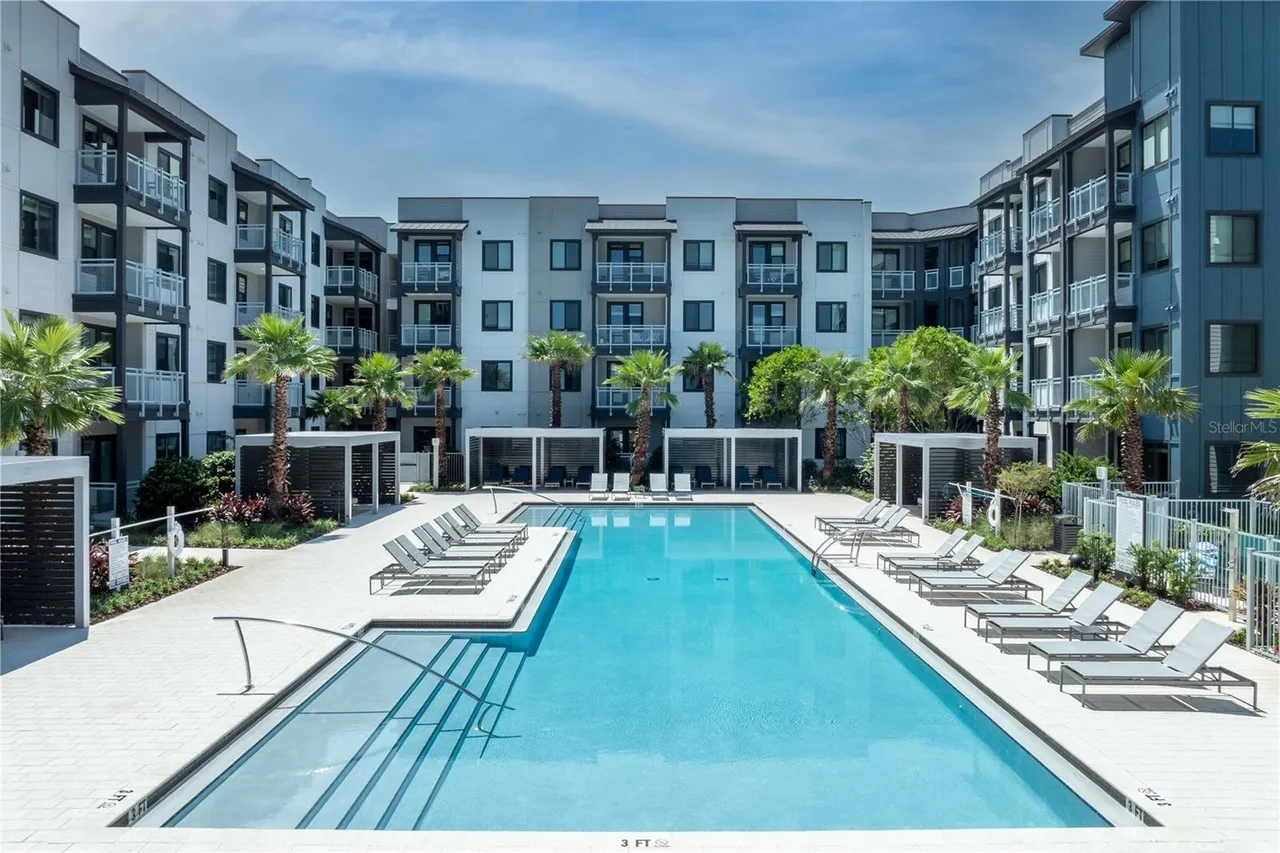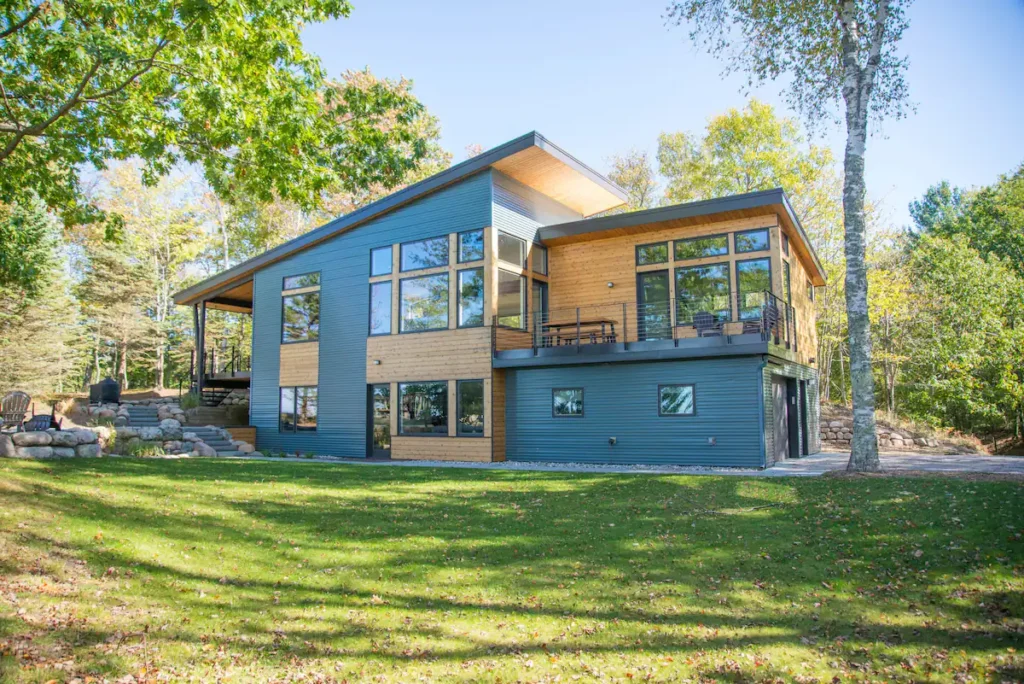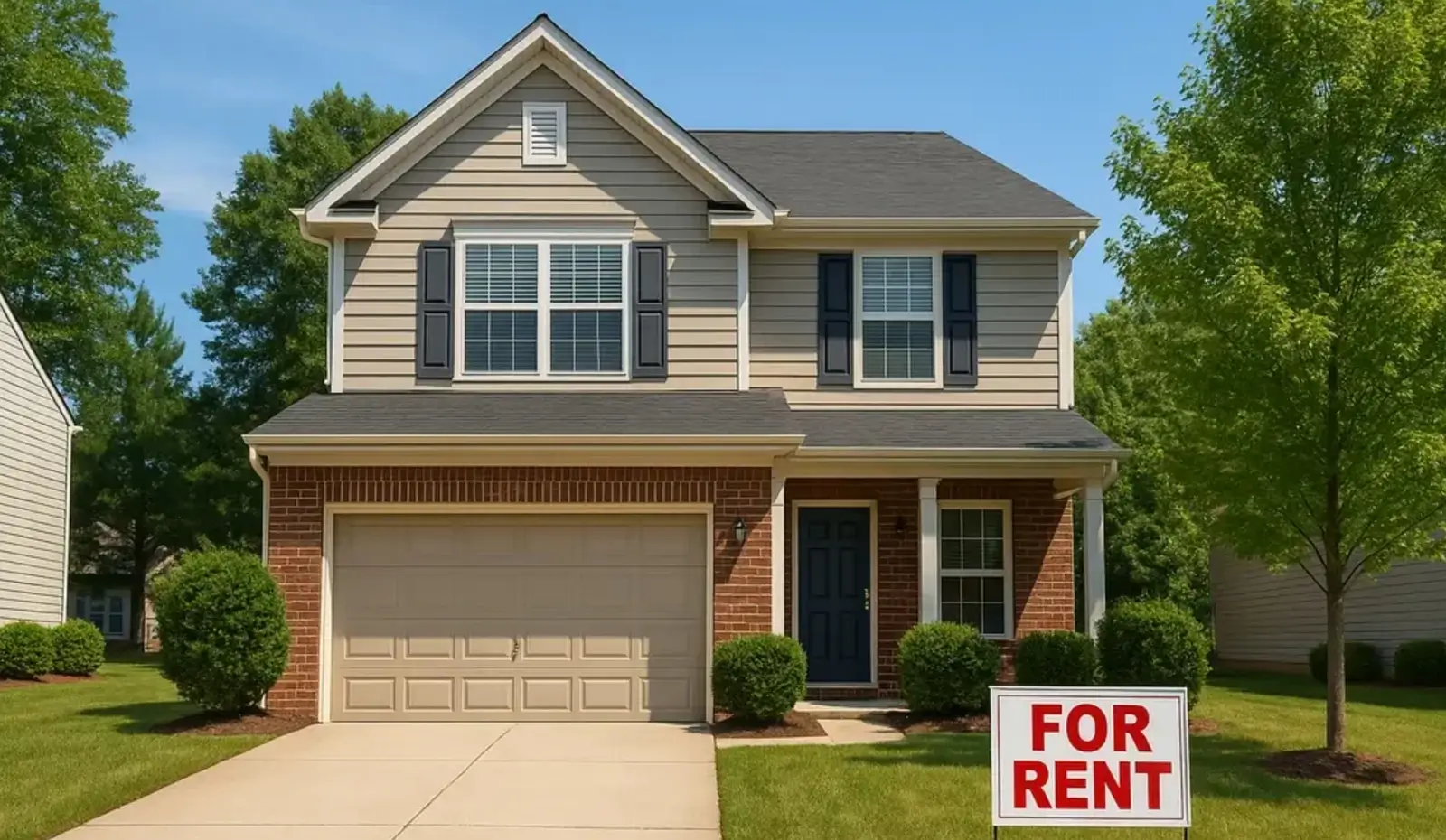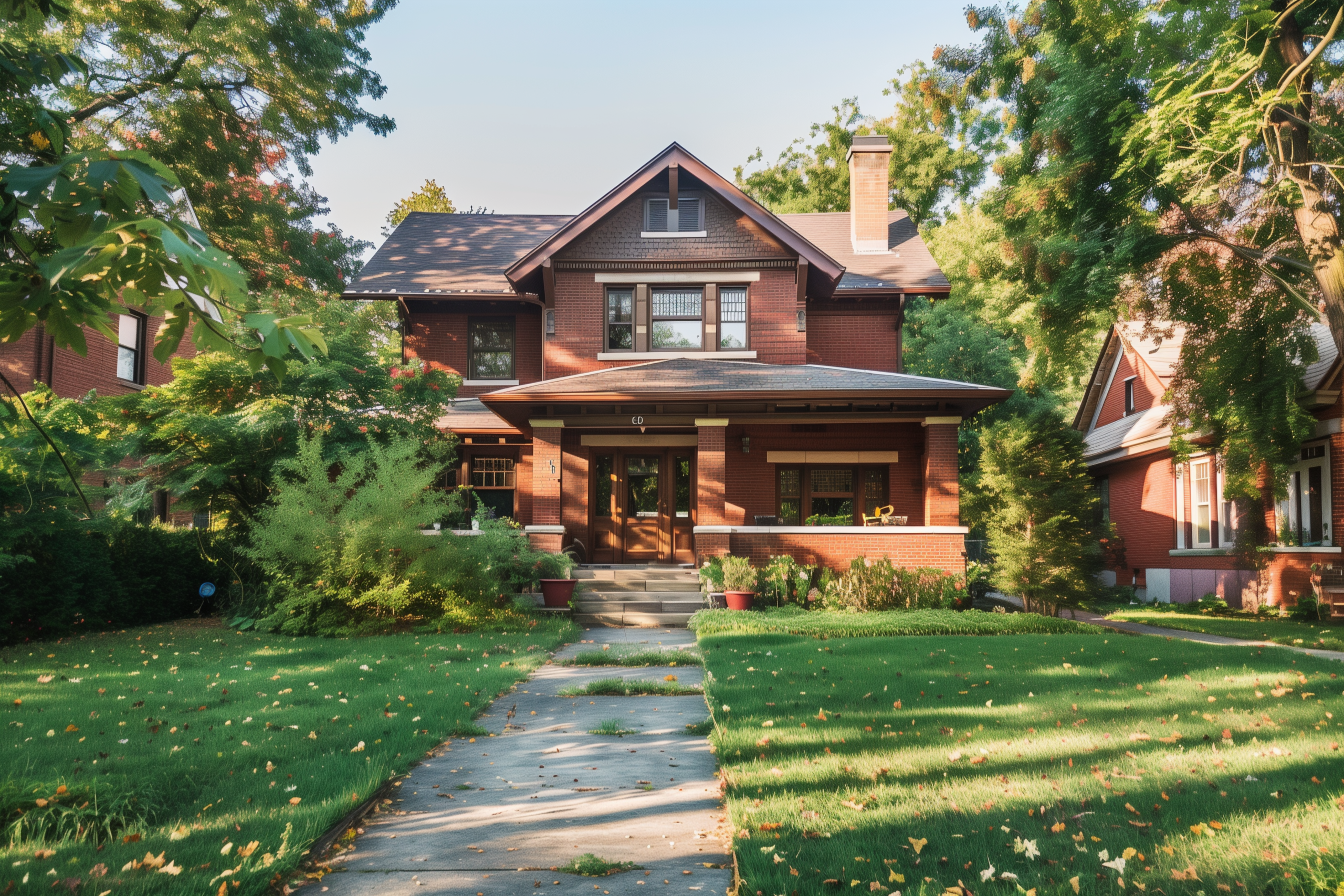
You can usually insure multiple short-term rentals under one policy once you own more than one property, by moving them onto a portfolio or multi-location policy that lists every address on a single schedule. The policy carries one renewal date and one set of coverage terms, and it may offer a blanket property limit shared across the buildings. What it takes to get there is a clean list of your properties and their values.
Why Separate Policies Stop Working
Most hosts buy their second rental the way they bought the first: a new policy, often from whichever insurer quoted fastest. By the third or fourth property, the owner has policies with different renewal dates, different deductibles, different liability limits, and different exclusions. Nobody has read all of them side by side.
That is where gaps come from. One policy excludes the hot tub. Another still lists the property as owner-occupied. A third lapsed during a busy month because the renewal notice went to an old email address. Each gap is small until a claim lands on it.
Our portfolio short-term rental insurance page describes the operators this structure is built for.
What a Portfolio Policy Is
A portfolio policy is one contract that covers several locations. Each property appears on a schedule, sometimes called a statement of values, with its address and the amount of coverage it carries. Liability coverage applies across all of them under one form.
The structure usually brings four things together:
- One schedule of every rental you own.
- One renewal date for the whole group.
- One liability form, so the same terms apply at every address.
- One place to add or remove properties by endorsement as you buy and sell.
Scheduled Limits and Blanket Limits
The property side of a portfolio can be written two ways, and the difference matters after a large loss.
A blanket limit helps when one property was undervalued, because the shared total can absorb the shortfall. Insurers that offer it often require reported values to be reasonably current and may apply a margin clause or other conditions. Ask how your policy handles a building whose rebuild cost has moved since the schedule was last updated.
What the Insurer Will Ask For
A portfolio quote moves fastest when you send everything at once. Build a spreadsheet with one row per property and these columns:
- Street address and county
- Owner of record, matching the deed
- Construction type and year built
- Square footage and number of bedrooms
- Roof age and the year of the last major updates to wiring, plumbing, and heating
- The rebuild value you want insured
- Amenities: pool, hot tub, dock, fire pit, game room
- How the property is managed and booked
Add a summary of claims in recent years across all properties. Insurers price a portfolio on its loss history as a group, so a clean record at most addresses helps every one of them.
The Named-Insured Problem
Many hosts hold each property in a separate LLC. That is a legal decision for your attorney, but it has an insurance consequence: the policy has to name whoever owns each building. A portfolio policy issued to one LLC does not automatically cover a property titled to another.
Fix this before binding. List every entity on the policy as a named insured, and match each property on the schedule to its owner. If a lender holds a mortgage, the lender is listed as mortgagee for that property. Our post on DP-3 versus commercial habitational forms explains why the form matters here, since commercial forms tend to handle multiple entities more cleanly.
Liability Across Several Properties
Liability is where a combined policy earns its keep. Under separate policies, a guest injury at one rental is handled under whatever terms that property happens to carry. Under one form, every address gets the same definitions, exclusions, and limit structure.
Check whether the liability limit applies per location or as one aggregate across the whole portfolio. A per-location aggregate keeps a bad year at one rental from using up the limit at the others. An umbrella policy can sit above the portfolio for more limit, and our general liability guide for hosts covers the primary layer in detail.
Income protection works the same way. Loss of rents coverage should be listed for each property that earns booking income, at an amount that reflects what that property actually brings in.
Scenario: The Fourth Rental Was Never Added
A host with three rentals on a combined policy closes on a fourth, a lake house two states away. The closing happens in a rush, the lender accepts a short-term binder from another insurer, and the binder expires a month later without anyone noticing. Bookings start. In the second month, a kitchen fire damages the cabinets and part of the ceiling. The host assumes the portfolio covers it. It does not, because the address was never endorsed onto the schedule. The fix would have taken one email before closing.
When Combining Is Not the Right Move
A portfolio is not always better. A property in a coastal wind zone may need its own wind policy, and some insurers will not write it alongside inland homes. A single high-value home may get better terms on its own. A rental you plan to sell soon may not be worth moving.
The goal is fewer policies with matching terms, not one policy at any cost. Our multi-unit rental page covers buildings with several units at one address, which is a different structure from several addresses on one schedule.
Deductibles Across Several Properties
A portfolio can be written with one deductible for every address or with different deductibles by location. One deductible keeps things simple. Different deductibles make sense when one property carries more risk than the rest, such as a coastal home with a wind deductible sitting beside inland homes with ordinary ones.
Ask two questions. First, does the deductible apply per occurrence or per location? If a single storm damages three of your rentals, a per-location deductible can apply three times. Second, are there separate deductibles for wind, hail, or named storms at certain addresses? Those are often set as a share of each building’s value and can be much larger than the all-peril deductible.
Managing the Schedule Through the Year
A portfolio policy works only if the schedule stays current. Most changes happen between renewals: a property is bought, sold, renovated, or switched from long-term to short-term use. Each one should go to your agent as an endorsement request when it happens.
Keep a simple log of every change you send and the date the insurer confirmed it. At renewal, compare the log with the new schedule line by line. A property that was sold but never removed costs premium. A property that was bought but never added costs far more if something happens to it.
Steps to Move Your Rentals Onto One Policy
- List every property with the details above.
- Collect the declarations pages from every current policy, with renewal dates.
- Pick a target date, usually the renewal date of your largest policy, and plan to cancel the others once the portfolio is in force.
- Confirm the named insureds match the deeds.
- Ask for blanket limits if your values are current.
- Set a rule: no closing without an endorsement request sent first.
If you want your current policies reviewed before you combine them, request a quote and send the declarations pages. The Triple-I guide to renting out your home is a useful primer on why rental use needs its own coverage in the first place.
Frequently Asked Questions
Can I put all my short-term rentals on one insurance policy?
Usually, yes, once you have more than one property. A portfolio or multi-location policy lists every rental on a single schedule with one renewal date and one set of terms. Insurers vary on how few properties they will write this way, so ask your agent where the threshold sits for your markets.
Is one policy cheaper than separate policies for each rental?
It can be, but price is not the main reason to combine. The bigger gains are one renewal date, one set of coverage terms, and a liability limit that applies the same way at every address. Some portfolios cost less combined, and some cost about the same.
What is a blanket limit on a rental portfolio?
A blanket limit is one total amount of property coverage shared across several buildings, instead of a separate amount fixed to each address. It helps when one property suffers a loss larger than its own scheduled value. Blanket limits usually require accurate values for every building to qualify.
Does a portfolio policy cover properties in different states?
Many do, but not every insurer writes every state, and coastal or wildfire-exposed properties are sometimes carved out to a separate policy. Ask whether each address on your schedule is written on the same form and whether any state has different deductibles.
How do I add a new rental to a portfolio policy?
You send the new address and its details to your agent, who requests an endorsement adding it to the schedule. Do this before closing or before the first guest arrives, not after. A property is not covered just because you own it and the rest of your rentals are insured.
What information does an insurer need to quote a portfolio?
A schedule of locations with address, construction, year built, square footage, roof age, and the value you want insured, plus your loss history and how each property is managed. A clean spreadsheet speeds the quote and usually produces better terms.
Should my rentals be in an LLC before I combine them?
Ownership structure is a legal and tax question for your attorney and accountant. For insurance, the policy must name the entity that actually holds title to each property. If the LLCs differ, each should be a named insured on the policy.
The Bottom Line on Insuring Multiple Rentals Together
A single portfolio policy brings every rental under one schedule, one renewal date, and one set of terms, which makes gaps easier to see and harder to create. The work is in the schedule: accurate values, correct named insureds, and every address listed before a guest arrives.
Start with a spreadsheet of your properties. Read the portfolio insurance page, then submit a quote or call 317-942-0549 and send the schedule.