
Mon–Fri · 9 AM – 5 PM Eastern

Flood Insurance for Short-Term Rental Properties

NFIP and private flood market coverage for properties listed on Airbnb, VRBO, and other booking platforms — for beach houses, coastal STRs, and inland properties in mapped flood zones where standard policies exclude flood entirely.

Get a Free Quote
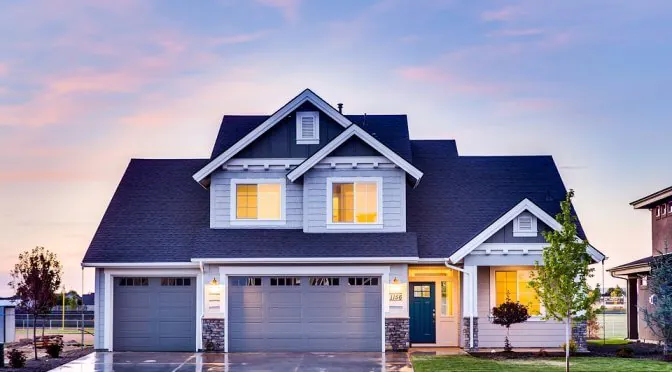
Beach house in a coastal flood zone

What Is Flood Insurance?

Flood insurance covers damage to your property from rising water — storm surge, river overflow, flash flood, tidal flooding, sustained rainfall, and similar events that aren't covered under standard property policies. Coverage splits into two purchases: building (the structure itself) and contents (furnishings and personal property). The two are written separately and priced separately, and neither is included in a standard property policy. FEMA flood insurance cost overview consistently flags that the standard homeowners or dwelling policy excludes flood — separate coverage is the only mechanism.

The federal National Flood Insurance Program (NFIP) is the largest market and the only option for many properties in Special Flood Hazard Areas. NFIP residential policies cap at $250,000 building and $100,000 contents. The private flood market has expanded dramatically in the last decade — FloodSmart.gov (the consumer-facing NFIP site) outlines the federal program; the private market offers higher limits, faster claim turnaround, and competitive pricing for newer or higher-elevation properties.

For STR operators with properties listed on Airbnb or VRBO in coastal or flood-zone markets, flood is rarely optional. Lender requirements typically mandate flood policies in Special Flood Hazard Areas; condo and HOA bylaws often follow suit; and the platforms themselves don't fill the gap — Airbnb's AirCover and similar VRBO programs are not substitutes for primary flood coverage.

NFIP vs. Private Flood Market for STR Properties

NFIP is federally backed, written through Write-Your-Own participating carriers, and standardized — every NFIP policy looks the same. The structure is conservative: $250K residential building cap, $100K contents cap, mandatory elevation certificates for Special Flood Hazard Area properties, and a statutory 30-day waiting period for new policies (with limited exceptions, including the mortgage-trigger and map-revision exceptions). Premiums under Risk Rating 2.0 are based on property-specific exposure rather than zone-only legacy pricing.

Private flood policies are written by specialty carriers and surplus lines markets. They offer higher building and contents limits ($1M+ on the building, $500K+ on contents are routinely available), sometimes shorter waiting periods (10–15 days in some markets), faster claim service, and the ability to write properties NFIP declines or rates aggressively. The trade-off is variability: terms, exclusions, and waiting periods differ by carrier and need to be read carefully.

For STR owners with properties above NFIP's $250K residential cap, properties in non-SFHA zones where NFIP is expensive relative to private alternatives, or properties in coastal markets where speed of claim matters, the private flood market is often the better fit — sometimes as the primary policy, sometimes layered over NFIP as excess. For properties in SFHA where a lender mandates NFIP-equivalent coverage, NFIP remains the default starting point.

What Your Flood Policy Covers

Hurricane Storm Surge

Your Florida beach house listed on Airbnb takes four feet of storm surge after a Cat-2 hurricane. NFIP or private flood responds for the building and contents — your property policy doesn't, because storm surge is flood.

Inland Flash Flood

A sudden river rise floods the lower level of your North Carolina mountain cabin STR. Flood responds for the structural damage and the contents loss, with separate limits applying to each.

Coastal Tidal Flooding

King-tide flooding repeatedly damages the lower level of your Charleston-area Airbnb listing. Private flood policies in coastal markets often write recurring tidal exposure that NFIP rates aggressively.

Hurricane-Driven Rainfall

Sustained tropical-storm rainfall raises groundwater and floods the ground floor of your Gulf Coast VRBO listing. NFIP and private flood both respond for rising-water damage tied to a storm event.

Spring Snowmelt and River Flooding

Rapid spring snowmelt floods the riverside lot at your Colorado cabin STR. Flood coverage — not the underlying property policy — responds for the rising-water damage to the structure and contents.

Detached Structure Flood Damage

Floodwater damages the dock and detached garage at your VRBO beach house. Coverage is available but often through a separate sub-limit, and policy language on detached structures varies more in flood than in standard property forms.

Why Flood Insurance Is Especially Critical for Short-Term Rentals

Properties advertised on Airbnb and VRBO for waterfront, beachfront, or river-adjacent features attract guest demand for the same features that drive flood exposure — and the platforms don't fill the gap when flood hits.

  • Standard property and homeowners policies explicitly exclude flood — even when wind drives water into the structure, the rising-water portion isn't covered.
  • FEMA flood maps are revised frequently — properties not in a Special Flood Hazard Area today may be tomorrow, often with mortgage-trigger flood insurance requirements.
  • Coastal markets (Florida, Texas Gulf, the Carolinas Outer Banks) saturate the NFIP $250K residential building cap quickly — full replacement requires private market excess.
  • Mountain flash-flood markets in the Mountain West and Appalachians frequently exceed NFIP residential limits on higher-value cabin and lodge properties.
  • The NFIP 30-day waiting period leaves new STR owners exposed during onboarding — closing on a property the week before hurricane season starts doesn't bind coverage retroactively.
  • Hurricane-driven rainfall often combines with storm surge — coverage attribution between the property policy (wind-driven rain) and the flood policy (storm surge) matters at claim time.
  • Properties advertised on Airbnb and VRBO with waterfront proximity, dock access, or river-adjacent locations attract guest demand for the same features that drive the flood exposure.

Common Flood Insurance Exclusions to Know

Flood policies cover damage from rising water. A few categories sit outside that scope, and the gap shows up most often at claim time on coastal STR properties.

Earth Movement Caused by Flood

Flood policies cover rising water. Damage from earth movement caused by flood — landslide or mudslide tied to saturated soil — is often excluded or sub-limited. Read the policy carefully in mountainous or unstable-soil markets.

Vehicles

Flood doesn't cover vehicles. Auto policies with comprehensive coverage respond to vehicle flood damage. Boats, ATVs, and watercraft need separate scheduled coverage.

Loss of Rents (Generally)

Standard NFIP policies don't include loss of rents. Private flood markets sometimes write business income or loss of rents as an endorsement — confirm before assuming the income gap is covered.

Sewer Backup (Without Flood)

Sewer or drain backup without an accompanying flood event is typically excluded from flood policies. Sewer backup endorsements on the underlying property policy fill that specific gap.

Flood Insurance by State

We write NFIP and private flood coverage for short-term rentals in 48 states. Flood exposure varies sharply by market — coastal hurricane states, Mountain West flash-flood corridors, and Mississippi Basin states carry the highest STR flood risk. Select your state for details or call us for a quote.

View All State Guides
Florida Tennessee North Carolina South Carolina California Colorado Arizona Texas Georgia Nevada Utah Montana + more states

Get a Flood Insurance Quote for Your Short-Term Rental

Free quotes from carriers in the STR specialty market. Quote turnaround in 1–2 hours during business hours.