
Mon–Fri · 9 AM – 5 PM Eastern

Builder's Risk Insurance for Short-Term Rental Properties

Coverage during renovation, expansion, or new construction — for properties intended for listing on Airbnb, VRBO, and other booking platforms. Bridges the gap when standard property coverage suspends.

Get a Free Quote
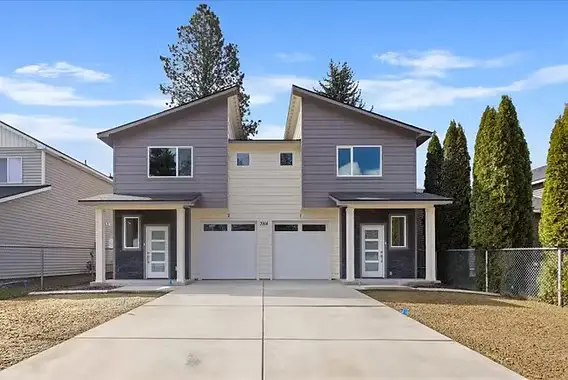
Short-term rental property mid-renovation

What Is Builder's Risk Insurance?

Builder's risk — sometimes called course-of-construction insurance — covers a building project from groundbreaking through completion. It protects the structure, materials, work-in-progress, and (with the right endorsements) soft costs like architect fees and permit costs. Coverage runs from project start through certificate of occupancy or first occupancy, at which point a property policy takes over. The Insurance Information Institute describes builder's risk as the only mechanism that fully covers a structure during construction — standard property forms simply don't.

For STR owners renovating between seasons, adding amenities, or building new properties intended for Airbnb or VRBO listings, builder's risk fills a specific coverage gap. Standard property policies have vacancy clauses, alteration-in-progress exclusions, and occupancy requirements that effectively suspend or void coverage during major renovation. New construction has no dwelling to insure under a property form at all. Builder's risk is the dedicated policy for these scenarios.

The National Association of Home Builders consistently recommends builder's risk for any residential project above small-renovation scope — and STR-purpose projects routinely sit at the larger end of the range. Coverage typically responds to fire, wind, theft of materials, vandalism, and certain water and weather events during construction. Flood and earthquake remain excluded unless separately endorsed.

Why Renovation Triggers a Coverage Gap on Most STR Properties

A standard property or dwelling policy is built around occupancy assumptions. The dwelling form assumes the property is in service, lived-in or rented, and not undergoing major structural alteration. When an Airbnb or VRBO property is closed for off-season renovation — drywall opened, plumbing rerouted, roof replaced — the property policy's vacancy clause and alteration-in-progress provisions typically suspend most coverage. The structure is still standing, but the policy isn't responding the way the host assumes.

The gap shows up most painfully on storm losses. A windstorm damages an in-progress renovation at your mountain cabin VRBO — partially-completed work and staged materials are destroyed. The property policy declines (alteration in progress, materially-changed risk). Without builder's risk, the entire loss is out-of-pocket. This pattern is common enough on coastal STR renovations during hurricane season that it's a primary driver of builder's risk uptake among multi-property operators.

What to look for: project-cost-sized limit (typical contract value plus contingency), policy term matching the realistic project timeline (3, 6, or 12 months, with extensions available), coverage of materials on-site and in-transit, optional soft-cost coverage (architect, permits, financing), and a clean handoff to the property policy at certificate of occupancy or first guest booking.

What Your Builder's Risk Policy Covers

Full Renovation Between Seasons

Your Florida beach house Airbnb is closed for a four-month off-season renovation totaling $250K of work. Builder's risk covers the structure, materials, and work-in-progress through certificate of occupancy — when the property policy resumes.

New ADU Construction

You add a detached accessory dwelling unit at your VRBO property to expand bookable capacity. Builder's risk covers the new structure from foundation through completion, including materials staged on-site.

Pool or Hot Tub Installation

You add an in-ground pool and hot tub to your Airbnb listing as an amenity upgrade. Builder's risk covers the installation project, including site work, pool shell, and equipment installation through commissioning.

Major Roofing Replacement

Hurricane damage forces a full roof replacement during off-season at your coastal STR. Builder's risk covers the roofing project and any related structural work the property policy treats as suspended during construction.

Ground-Up New STR Construction

You build a new short-term rental from scratch — foundation through finishes — intended to list on Airbnb and VRBO when complete. Builder's risk is the only mechanism that covers the structure during construction.

Storm Damage During Construction

A windstorm damages an in-progress renovation at your mountain cabin VRBO. Materials and partially-completed work are damaged. Builder's risk responds; the property policy doesn't, because the property is mid-renovation.

Why Builder's Risk Is Especially Critical for Short-Term Rentals

STR operators routinely renovate between seasons, add amenities to drive bookings, and build new properties intended for Airbnb or VRBO listing. Each scenario sits in a coverage gap most standard property policies don't fill.

  • Standard property policies suspend or void coverage during major renovation — STR owners doing off-season work need a separate policy to fill the gap.
  • Off-season renovations on Airbnb and VRBO properties expose three-to-six months of work value without coverage when builder's risk isn't placed.
  • New STR construction from ground-up is fundamentally uninsured under standard property forms — the structure doesn't exist as an insured dwelling until completed.
  • Permitting delays in coastal markets and California fire-rebuild jurisdictions routinely extend project timelines past initial policy expiration — extensions matter.
  • ADU additions for STR use multiply construction value beyond the original property cost — sizing the limit correctly is the first decision at policy bind.
  • Pool, hot tub, and amenity installations during off-season expansion create concentrated exposure periods where work value sits unprotected on-site.
  • Materials theft from construction sites at high-value STR properties is a real and growing exposure — particularly during prolonged off-season projects with intermittent contractor presence.

Common Builder's Risk Exclusions to Know

Builder's risk is broad on covered perils but has specific exclusions that show up most often when claims hit. Knowing them upfront prevents surprises at the worst moment.

Flood and Earthquake

Standard builder's risk excludes flood and earthquake. Projects in flood zones need separate flood coverage; earthquake exposure requires a separate endorsement or standalone policy.

Faulty Workmanship

Damage caused by defective construction itself isn't covered. Builder's risk responds to external losses (storm, fire, theft); workmanship issues are routed to the contractor's general liability or professional coverage.

Loss After Certificate of Occupancy

Coverage ends at certificate of occupancy or first occupancy. After that point, the property policy takes over — confirm the handoff date in writing so there's no gap between policies.

Existing Structure (Pure Addition Projects)

For projects that add to an existing structure, builder's risk typically covers the new work — not the underlying existing structure, which stays on the standard property policy with whatever alteration-in-progress provisions apply.

Builder's Risk by State

We write short-term rental builder's risk in 48 states. Coastal hurricane states and California fire-rebuild markets carry the most active permitting and project-timeline considerations. Select your state for details or call us for a quote.

View All State Guides
Florida Tennessee North Carolina South Carolina California Colorado Arizona Texas Georgia Nevada Utah Montana + more states

Get a Builder's Risk Quote for Your Short-Term Rental Project

Free quotes from carriers in the STR specialty market. Quote turnaround in 1–2 hours during business hours.