South Carolina Airbnb hosts need general liability insurance written for short-term rental use, because a guest injury at a beach house, a pool, or a dune walkover can turn into a claim against the owner, and a homeowners policy may not respond once the home is rented by the night. Airbnb’s host liability program applies only to Airbnb bookings under its own terms. Your own policy is the layer you control.
What General Liability Does for a Host
General liability pays when someone is injured on your property, or their belongings are damaged, and you are found legally responsible. It also pays for your defense, which can be the larger cost even on a claim you win. Our general liability guide for hosts covers the form in depth. The general liability coverage page summarizes what we place.
The key word for hosts is use. A homeowners policy is written for a family living in the home. A liability claim from a paying guest is the kind of claim a homeowners insurer may question, and the NAIC’s consumer guidance on home-sharing tells hosts to check with their insurer before renting.
The South Carolina Exposures
The state’s rental market runs from Myrtle Beach and the Grand Strand to Hilton Head, Charleston’s barrier islands, and inland lakes. Each brings its own liability profile.
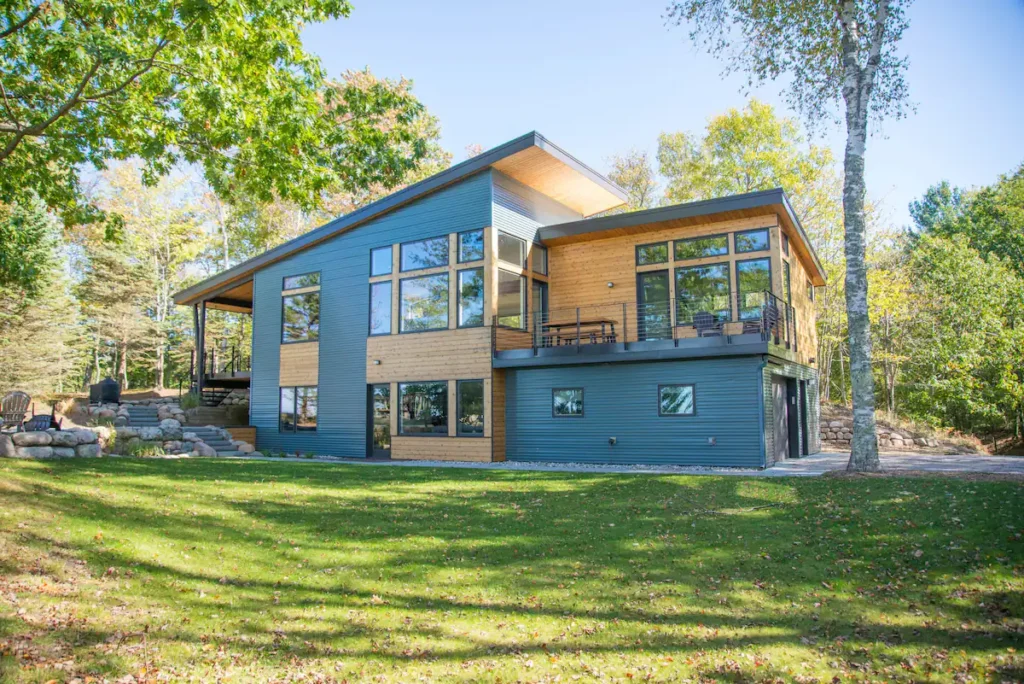
Elevated construction. Many coastal homes sit on pilings to meet flood rules, which means long exterior stairs, high decks, and railings that take salt and sun all year. Loose treads and corroded fasteners are a common source of falls. Inspect them between seasons.
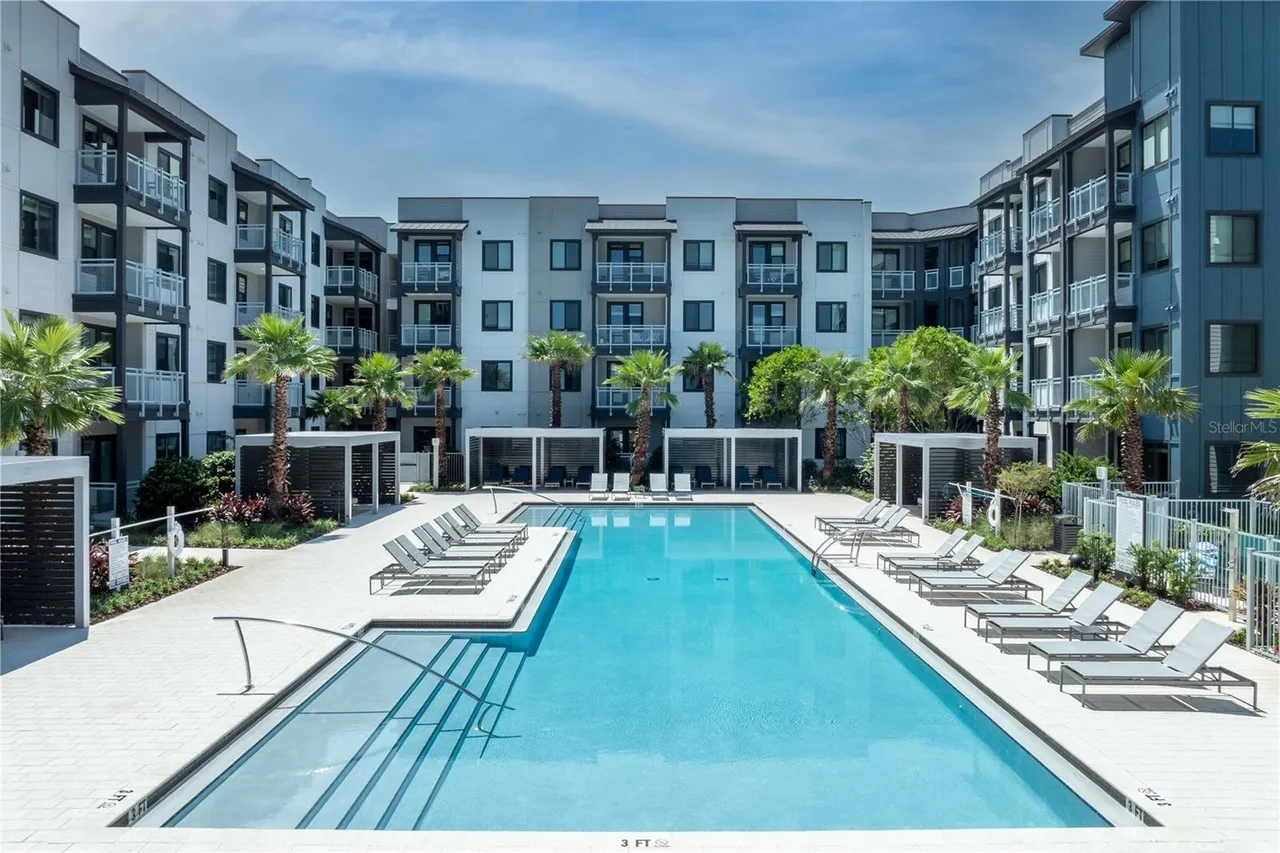
Pools. A pool sells bookings and draws more underwriting questions than any other amenity. Our post on pool and hot tub liability lists what insurers ask.
Docks and watercraft. A dock is premises. A boat or personal watercraft you let guests use is a separate exposure that a property liability policy may exclude. Do not hand guests the keys to a boat without asking your agent first.
Local Rules Come First
South Carolina has no single statewide short-term rental registration program. Rules come from cities and counties, and coastal towns are the most active. Some local permit programs ask hosts to show proof of liability coverage, set occupancy limits, or require posted safety information.
Check the town and county before listing. A rental operating outside a local permit is a problem for the city and can complicate an insurance claim. Our guide to short-term rental permits by state explains how to find the right office.
Why the Platform Program Is Not Enough
Airbnb’s host liability program is real coverage for the stays it applies to. Its limits are that it applies only to Airbnb bookings, it follows Airbnb’s terms, and the host has no say in its wording. A direct booking from a returning family, a stay booked through another platform, or a contractor hurt between guests falls outside it.
Our post on Airbnb host liability versus AirCover walks through where the program stops. The short version for South Carolina hosts: carry your own policy, and treat the platform as an extra layer.
Setting the Limit
The right limit depends on the property and on what you own. A larger home with a pool, a dock, and group capacity carries more exposure than a one-bedroom condo. An umbrella policy adds limit above the primary policy and is often the most efficient way to add protection. Confirm the umbrella accepts short-term rental use.
Condo hosts on the coast have a different structure, because the association’s master policy covers common areas. Our post on condo rental guest injuries explains how the HOA, the unit policy, and an umbrella fit together.
Scenario: The Outdoor Shower
A family rents a raised beach house near Myrtle Beach for a week. The outdoor shower under the house has a wooden floor that has softened over two seasons. On the fourth day, a grandparent rinsing off sand slips and breaks a wrist. The family’s attorney sends a letter to the host. The host’s short-term rental liability policy opens the claim and assigns defense counsel. The insurer asks for maintenance records and photos of the shower floor. The policy covered the claim. The host replaces the floor that week.
Property Coverage Sits Beside It
Liability is one half of a South Carolina rental policy. The other half deals with wind and water. The state operates a wind and hail underwriting association for coastal areas where the regular market is limited, and flood is a separate policy. The South Carolina Department of Insurance coastal insurance page lists state resources for coastal owners, and our South Carolina cost guide covers what drives premiums.
What a Liability Claim Looks Like
Most hosts never see a liability claim, so it helps to know how one unfolds. It usually starts with a letter from the injured guest or their lawyer, sometimes weeks after the stay. Report it to your insurer right away, even if the claim seems small or unfounded. Late notice can complicate coverage.
The insurer investigates. It asks for photos of the area where the injury happened, maintenance records, the listing, the house rules, and the booking messages. It may hire defense counsel if a lawsuit is filed. You cooperate, but the insurer handles the defense and any settlement within the policy terms.
Do not admit fault, offer payment, or discuss the incident at length with the guest before talking to your insurer. A sympathetic message is fine. A promise to pay medical bills is something your insurer should handle.
Medical Payments Coverage
Many liability policies include medical payments coverage, which pays a guest’s smaller medical bills without anyone having to prove fault. For a minor injury, such as a cut foot on a broken shell in the outdoor shower, it can settle the matter quickly and keep it from turning into a larger claim.
Ask whether your policy has it, what the limit is, and whether it applies to paying guests. Some short-term rental forms include it, and some leave it out.
Before the Next Booking
- Confirm your policy is written for short-term rental use.
- List every amenity: pool, hot tub, dock, walkover, outdoor shower.
- Check local permit rules and any insurance requirement.
- Walk the stairs, decks, and railings.
- Price an umbrella.
For a liability review on a South Carolina rental, request a quote or call 317-942-0549.
Frequently Asked Questions
Do Airbnb hosts in South Carolina need general liability insurance?
Yes, in practice. A guest injury at your rental can lead to a claim against you, and a homeowners policy may not respond once the home is rented by the night. A liability policy written for short-term rental use pays defense costs and covered damages up to its limit.
Is AirCover enough liability coverage for a South Carolina rental?
It is a platform program that applies to Airbnb bookings under Airbnb’s terms. It does not cover direct bookings or stays from other platforms, and you do not control its wording or limit. Treat it as a backstop and carry your own liability policy.
Does South Carolina require insurance for short-term rentals?
There is no single statewide short-term rental program. Requirements come from cities and counties, and some local permit programs ask for proof of liability coverage. Check with the town or county where the property sits before you list it.
Does general liability cover a guest hurt on a boardwalk or dune walkover?
If the walkover is part of your property and the policy covers premises liability without a relevant exclusion, a guest injury there would usually fall under it. Tell your agent about walkovers, docks, and decks so they are rated and not questioned later.
Does liability insurance cover a guest who drowns in my pool?
Many short-term rental liability policies cover pool injuries, and some restrict or exclude pools, diving boards, or slides. Read the wording and ask about the pool by name. A pool is one of the main reasons hosts add an umbrella policy.
What liability limit should a South Carolina host carry?
That depends on the property, its amenities, and what you own that a lawsuit could reach. Hosts with pools, docks, or large group capacity often pair a primary policy with an umbrella. Your agent can show what each added layer costs.
Does general liability cover guest property damage or theft?
General liability is aimed at injury to others and damage to other people’s property for which you are legally responsible. A guest’s lost luggage is not automatically covered. Ask your agent how the policy treats guest belongings.
The Bottom Line for South Carolina Hosts
South Carolina rentals carry a heavy liability load: pools, beach access, decks, and guests who arrive unfamiliar with the property. A liability policy written for short-term rental use, matched to the amenities and backed by an umbrella where needed, is the layer a platform program cannot replace.
Read our South Carolina page and the general liability coverage page, then submit a quote or call 317-942-0549.