When a guest is injured at a condo you rent short term, the location usually decides which policy responds first: injuries inside your unit generally fall to your own unit liability coverage, and injuries in common areas such as the pool or lobby generally fall to the association’s master policy. An umbrella sits above your own coverage for serious claims. The layers only work if your unit policy accepts short-term rental guests.
Three Policies, Three Jobs
A condo rental has more insurance around it than a house, and the policies do not overlap by accident. Each was written to cover a different part of the building and a different party.
The association master policy covers the building and the common areas the association controls, and the association’s liability for them. Depending on the governing documents, it may also cover some parts of each unit. The Triple-I guide to insuring a co-op or condo explains how master policies and unit policies divide the building.
Your unit policy covers what the master policy leaves to you, which typically includes your interior finishes, your furnishings, and your personal liability. For a rental, that liability has to extend to paying guests.
An umbrella adds limit above your unit liability coverage.
Where the Injury Happened
Inside the unit. A guest slips in your shower, trips on a rug, or is hurt by a broken bed frame. The unit is your responsibility, so your liability coverage is the first place the claim goes.
On your balcony. Balconies are a gray area. Some governing documents treat them as limited common elements maintained by the association, and others make them the owner’s responsibility. Read your documents. A loose railing on a high floor is the kind of claim where that answer matters.
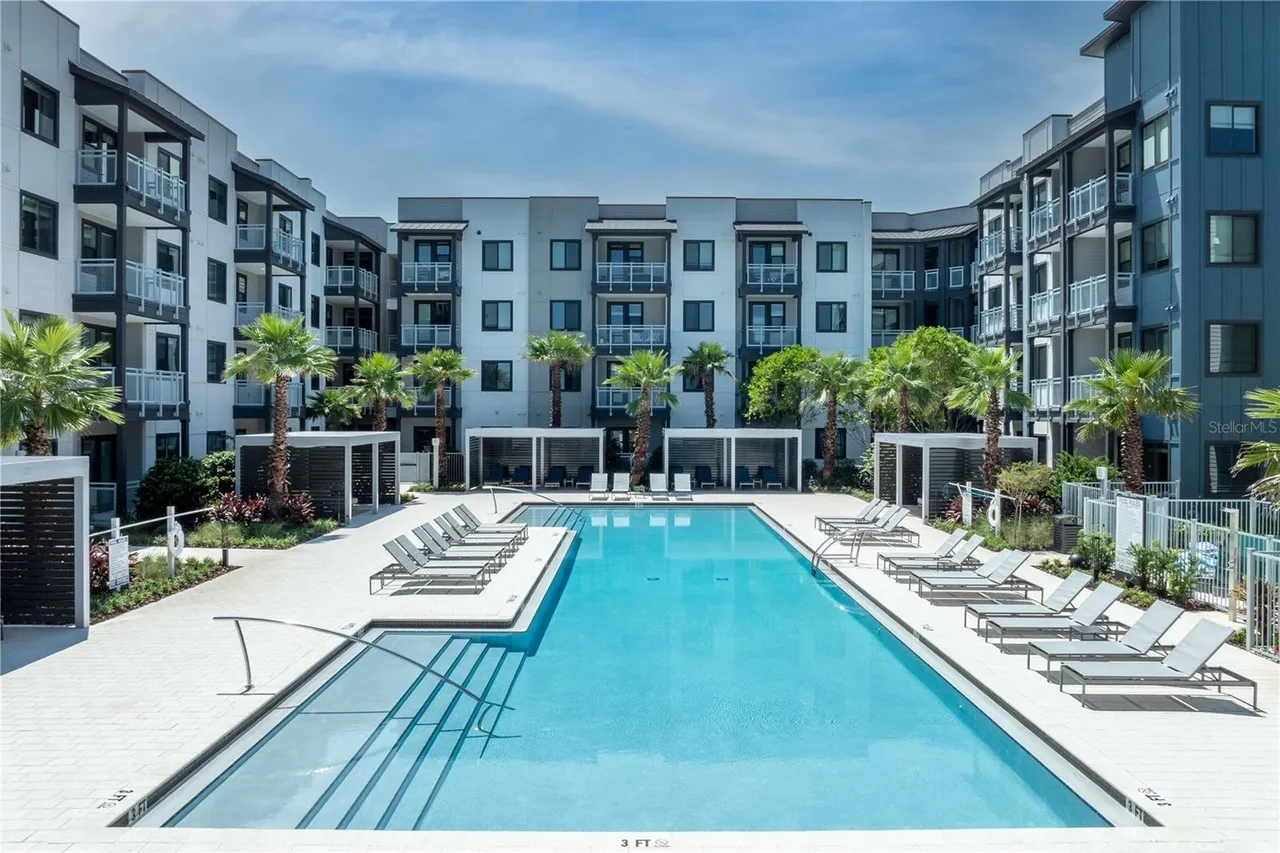
In common areas. A guest slips on a wet lobby floor or is hurt at the building pool. The association’s master policy is generally the primary liability coverage. The guest’s lawyer may still name you as the host who booked them, which is why your own liability coverage should respond to your defense.
The Weak Link: A Unit Policy Not Built for Guests
The most common gap is not in the master policy. It is a unit owner policy written for personal use that limits or excludes rental activity. When a guest is hurt inside the unit, that exclusion can leave the host with no defense at all.
Confirm that your unit policy accepts short-term rental guests, or replace it with one that does. Our condo short-term rental insurance page explains how unit coverage for rentals is written, and our post on Florida beach condo rental insurance covers coastal condos in more detail.
Loss Assessment
When the association faces a loss the master policy does not fully pay, such as a liability judgment above its limit or its own deductible, it can charge every owner a share through an assessment. Loss assessment coverage on your unit policy helps pay that share.
Rental condos in busy buildings with pools and beach access are where large common-area claims tend to happen. Check your loss assessment limit, and ask whether it applies to assessments arising from liability claims as well as property losses.
Adding an Umbrella
A serious injury, such as a fall from a balcony or a drowning at the pool, can exceed a primary limit. An umbrella policy adds limit above your own liability coverage.
Two checks apply. The umbrella has to accept short-term rental use. And it generally follows the underlying policy, so if your unit policy excludes rental guests, the umbrella may exclude them too. The Triple-I overview of umbrella liability explains how umbrellas sit above primary coverage. Our general liability coverage page covers the primary layer.
Scenario: The Stairwell and the Shower
A family rents a third-floor condo at a beach resort. On the first night, a child slips on wet tiles in the unit’s bathroom and needs stitches. That claim goes to the host’s unit liability coverage, which was written for rental use. Two days later, the father falls on a stairwell landing where a light was out. That claim goes to the association’s master policy, and the host’s policy defends the host when the family’s letter names both. Two injuries, two policies, both working as designed.
Read the Association Documents
The bylaws, declaration, and rules decide three things that matter for a host: whether short-term rentals are allowed, which parts of the unit you insure, and what the master policy covers. Many associations restrict rentals, set minimum stays, or require registration with the management office. Renting against those rules can lead to fines and can complicate a claim.
Water Between Units
Injury is one part of the condo picture. Water damage is the other, and in a condo it usually involves more than one unit. A guest who overflows a tub or leaves a washing machine running can damage the unit below, the hallway, and the building’s structure.
Who pays depends on the governing documents and the policies. The master policy may cover the building elements, often after its deductible. Your unit policy may cover your interior and your liability to the neighbor below. The association may look to the unit where the water started for its deductible. Fit leak sensors under sinks and appliances, and tell guests where the water shutoff is.
What the Management Company Will Ask For
Many condo associations and management companies ask rental owners for proof of insurance before allowing rentals, and some require specific coverages or limits. They may also ask for guest registration, parking information, and emergency contacts for each stay.
Keep a current certificate of insurance on file with the management office. If the association requires it to be listed on your policy as an additional interest or certificate holder, ask your agent to add it. Meeting these requirements keeps the rental in good standing with the building and keeps the insurance picture clear if something goes wrong.
A Condo Host’s Checklist
- Confirm the association allows short-term rentals.
- Get the master policy summary from the management company.
- Confirm your unit policy accepts rental guests.
- Check loss assessment and umbrella limits.
- Inspect the balcony, the bathroom, and anything else inside the unit a guest could be hurt by.
For a condo review, request a quote and send the association’s insurance summary, or call 317-942-0549.
Frequently Asked Questions
Who pays if a guest is injured inside my rented condo unit?
Usually the unit owner’s liability coverage, because the inside of the unit is the owner’s responsibility. If that policy excludes rental use, the claim may not be covered at all. Confirm your unit policy accepts short-term rental guests.
Does the HOA master policy cover a guest hurt at the pool?
The association’s master policy generally covers liability for common areas the association controls, such as a pool, lobby, or stairwell. A claim may still name you as the host, so your own liability coverage should also respond to the defense.
Do I need an umbrella policy for a condo rental?
It is worth pricing, especially if the building has a pool, a beach walkway, or balconies. An umbrella adds limit above your primary liability policy. Confirm it accepts short-term rental use and sits above the policy that actually covers the rental.
What is loss assessment coverage on a condo policy?
It helps pay your share when the association charges owners for a loss the master policy does not fully cover, such as a large liability claim above its limit or a master policy deductible. Rental condos in busy buildings should carry enough of it.
Can my HOA ban short-term rentals?
Many associations restrict or ban short-term rentals through their governing documents. Renting against those rules can lead to fines and can complicate insurance claims. Read the bylaws and rules before you list the unit.
Does an HO-6 policy cover short-term rental guests?
A standard condo unit owner policy is written for personal use and may limit or exclude rental activity. Some insurers offer endorsements, and some hosts need a unit policy written for rental use. Ask your agent directly.
Does AirCover cover a guest hurt at my condo?
Airbnb’s host liability program applies to Airbnb bookings under its terms. It does not replace your own unit liability coverage, and it does not cover direct bookings or other platforms.
The Bottom Line on Condo Guest Injuries
At a condo rental, the HOA master policy, your unit policy, and an umbrella each have a job, and the location of the injury usually decides which one leads. The weak link is most often a unit policy that was never written for paying guests.
Read our condo rental insurance page, then submit a quote or call 317-942-0549 with your association’s insurance summary.