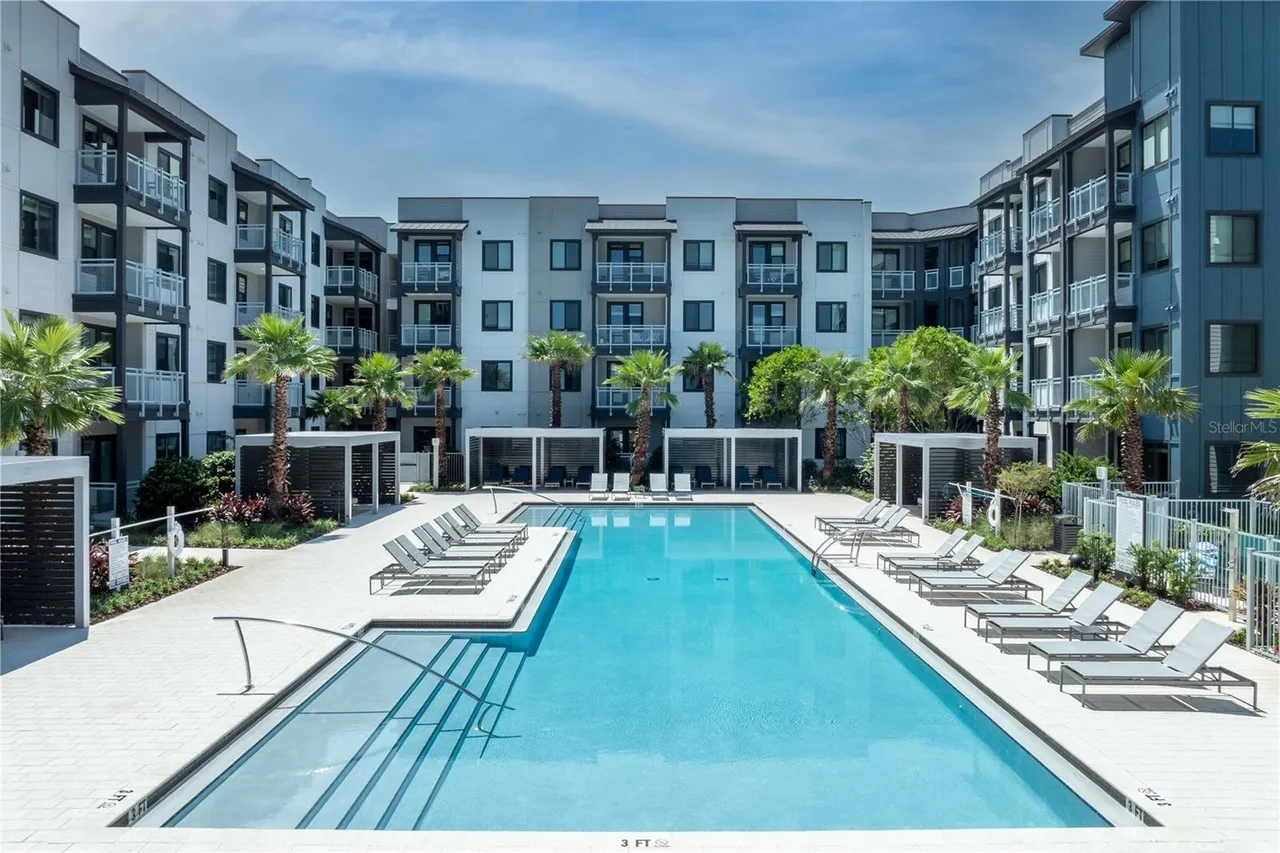
A pool or hot tub is usually insurable at a short-term rental, but it is the amenity insurers ask the most questions about, and some liability forms restrict or exclude it. Whether a guest’s injury is covered depends on the wording of your policy, the safety features around the water, and what you told the insurer when the policy was written. The safe assumption is that the pool is not covered until you have seen the wording that says it is.
Why a Pool Changes the Liability Question
Liability insurance pays when someone is hurt on your property and you are found legally responsible. It also pays for the lawyer who defends you. Our general liability guide for hosts explains the form in full.
Water raises the stakes in two ways. Injuries around a pool tend to be serious when they happen, and the people in the water at a rental are strangers to it. A family at home knows where the deep end is and which gate sticks. A guest who arrived that afternoon does not.
Triple-I’s consumer guidance says the insurance industry considers a pool an attractive nuisance, a feature that draws people to it, children especially, and that raises a property owner’s liability risk. It advises pool owners to talk to their insurance professional and to consider an umbrella policy (Triple-I, Pool safety and insurance). That guidance is written for a homeowner’s own pool. At a rental that sells nightly stays, the same feature is used by more people who know it less well.
What Insurers Ask About
When we submit a rental with a pool or hot tub, the questions that come back are consistent. They are worth answering before you are asked.
- Is the pool fenced, and do the gates close and latch on their own?
- Is there a diving board or a slide? These draw the most scrutiny, and some insurers decline them outright.
- Is the pool in-ground or above-ground, and is the depth marked?
- Is there a cover, and does the hot tub cover lock?
- Who maintains the water and the equipment, and how often?
- Are rules posted, and are they in the listing?
- Is there safety equipment at the pool, such as a ring buoy and a reaching pole?
The answers do two jobs. They decide whether an insurer offers terms at all, and they become statements the policy was issued on. An application that says the pool is fenced, for a pool that is not, is a problem at claim time.
How a Policy Can Treat the Pool
Short-term rental liability forms are not uniform. In the policies we review, the pool is handled in one of four ways.
| How the policy reads | What it means | What to do |
|---|---|---|
| Silent on pools | The pool is part of the general liability exposure | Confirm in writing that no exclusion applies |
| Covered with conditions | Coverage depends on a fence, a cover, or other features | Make sure the property meets each condition |
| Restricted | A lower limit applies to pool or hot tub claims | Decide whether that limit is enough |
| Excluded | Pool or hot tub injuries are not covered | Move the coverage or find a policy that includes it |
Diving boards, slides, and trampolines are often named separately from the pool, so read for each one. The same goes for the hot tub, which a policy may treat differently from the pool beside it.
One related coverage is easy to overlook. Many liability policies include medical payments coverage, which pays a guest’s smaller medical bills without anyone having to prove fault. For a minor poolside injury it can settle the matter before it becomes a claim against you. Ask whether your policy has it and whether it applies at the pool.
Layers Between a Guest and a Claim
Insurance is the last layer. The ones before it lower the chance of an injury and improve your position if one happens.
Barriers. The U.S. Consumer Product Safety Commission’s Pool Safely program publishes a checklist for pool and spa owners. It recommends a fence around the entire pool or spa, gates that close and latch by themselves, a door or pool alarm where the house forms one side of the barrier, and covers kept in working order. It also tells owners to check local and state codes for added requirements (Pool Safely barrier checklist). Local code is the floor. An insurer’s conditions can go further.
Rules. State the pool rules in the listing, repeat them in the house manual, and post them at the water. Say plainly that there is no lifeguard, that children must be supervised, and what the hot tub rules are. Written rules show that guests were told, and they give you grounds to act when a booking turns into a party. Alcohol belongs in the rules too, and our post on the liquor liability exclusion covers the insurance side of it.
Records. Keep the service company’s visit logs and your own inspection notes. If a guest later claims a drain cover was broken or the water made them sick, a dated record of the last service is the first thing the insurer’s adjuster will ask for.
The Hot Tub Is Its Own Exposure
A hot tub is not a small pool. It brings different injuries: burns and overheating, slips getting in and out, and illness from water that was not kept clean between guests. It is also used at night, often after drinking, and often by more people than it was built for.
The barrier rules reach it too. The Consumer Product Safety Commission’s barrier guidelines for residential pools count spas and hot tubs as pools.
Three habits matter most. Service the water between stays and log it. Fit a cover that locks, and say in the rules that it stays on when the tub is not in use. Post the limits on who should use it and for how long, following the manufacturer’s guidance. Cabins in mountain markets lean on the hot tub as a selling point, and our page on cabin and mountain short-term rental insurance covers how those properties are underwritten.
Where an Umbrella Fits
A primary liability policy has a limit, and a serious water injury is the kind of claim that can exceed it. An umbrella policy adds limit above the primary policy.
Two checks apply before you rely on one. The umbrella has to accept short-term rental use, because a personal umbrella written over a homeowners policy may not follow a property that is rented nightly. And an umbrella generally sits over the primary policy’s coverage, so if the primary policy excludes the pool, the umbrella may exclude it as well. Read both.
Platform programs sit beside all of this, not on top of it. They apply to bookings on that platform, under that platform’s terms. Our post on where Airbnb’s host liability program ends explains the limits of that layer.
Scenario: A Gate That Did Not Latch
A host rents a single-family home with a fenced pool in a warm-weather market. The application said the gate was self-latching, and it was when the policy was written. Over a season the latch wears, and a cleaner notes it once without anyone following up. A guest’s young child gets through the gate while the adults are unpacking and is pulled from the water and treated at a hospital. The family’s lawyer writes to the host. The insurer opens the claim and asks for the maintenance records, the listing’s pool rules, and photos of the gate. The policy covered the pool. The questions that followed were all about the latch.
What to Check Before the Next Booking
- Read the liability section for the words pool, spa, hot tub, diving board, and slide. If you cannot find them, ask your agent to confirm in writing how each is treated.
- Compare the property with the application. If the fence, the cover, or the diving board has changed, tell the insurer.
- Walk the barrier. Test every gate and every latch, and fix what does not close by itself.
- Put the rules in three places: the listing, the manual, and a sign at the water.
- Start a service log if you do not have one.
- Price an umbrella that accepts short-term rental use.
A pool is most common on single-family rentals in warm markets, and state pages such as Arizona and Florida describe how those properties are insured. If you want the pool wording on your current policy checked, request a quote and send us the declarations page along with a description of what is in the backyard.
Frequently Asked Questions
Does short-term rental insurance cover a pool?
Often, but not automatically. Many short-term rental liability policies cover guest injuries at a pool, and some restrict or exclude pools, hot tubs, diving boards, or slides, or require safety features as a condition. The wording of your own policy decides it, so ask about the pool by name.
Does a hot tub raise the cost of short-term rental insurance?
It can. A hot tub is an amenity insurers ask about, and some price for it or set conditions such as a locking cover. Other insurers treat it as part of the ordinary exposure. Tell your agent it is there so the quote reflects the real property.
Am I liable if a guest is injured in my pool?
You can be, if the injury is tied to something you were responsible for, such as a missing gate latch, a broken drain cover, or a slick deck you knew about. Liability depends on the facts and on state law. Your liability policy exists to investigate the claim and defend you.
Do I need a fence around a pool at a vacation rental?
Check your state and local code first, because many places require a barrier. The U.S. Consumer Product Safety Commission’s Pool Safely checklist recommends a fence around the whole pool or spa with self-closing, self-latching gates. Insurers commonly ask about the fence as well.
Will a guest waiver protect me from a pool injury claim?
A waiver and clear house rules help show that guests were warned, and they are worth having. They do not stop a claim from being made, and courts do not always enforce them, least of all for children. A waiver supports your liability coverage and does not replace it.
Does AirCover cover pool injuries?
Airbnb’s host liability program applies to stays booked on its platform and has its own terms and exclusions. It does not follow a direct booking or a stay booked elsewhere, and you do not control it. Read the program terms, and carry your own liability policy for the pool.
Do I need an umbrella policy if my rental has a pool?
It is worth pricing. A serious water injury can exceed a primary liability limit, and Triple-I suggests an umbrella policy for pool owners who want protection beyond the home policy. Confirm that the umbrella accepts short-term rental use and does not exclude the pool itself.
The Bottom Line on Pool and Hot Tub Liability
A pool or hot tub is usually insurable at a short-term rental, and it is the amenity that changes the liability question most. Some policies cover it without comment, some set conditions, and some restrict or exclude it. The policy wording, the safety features, and the records you keep decide how a guest injury claim goes.
Ask about the pool by name before the next booking. Read the general liability coverage page, then submit a quote or call 317-942-0549 and tell us what is in the backyard.