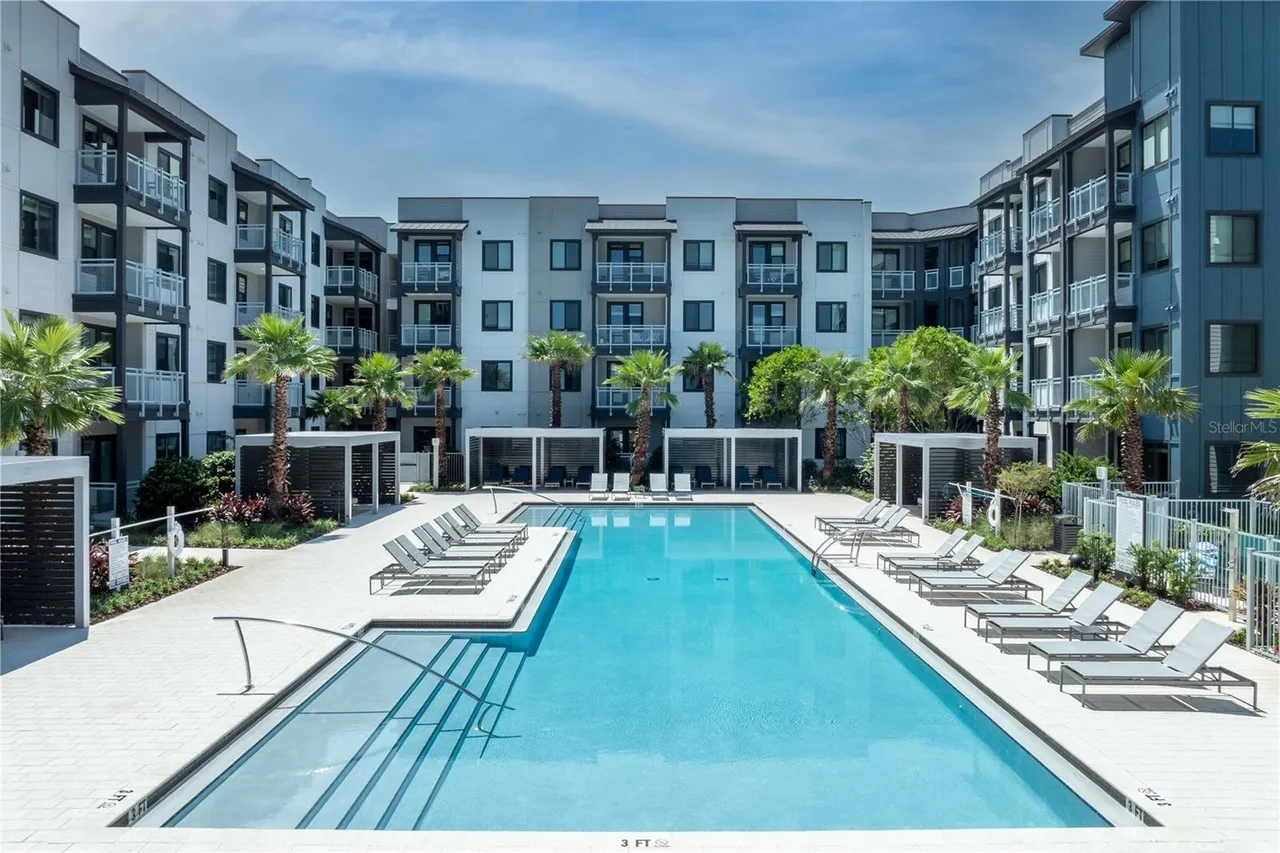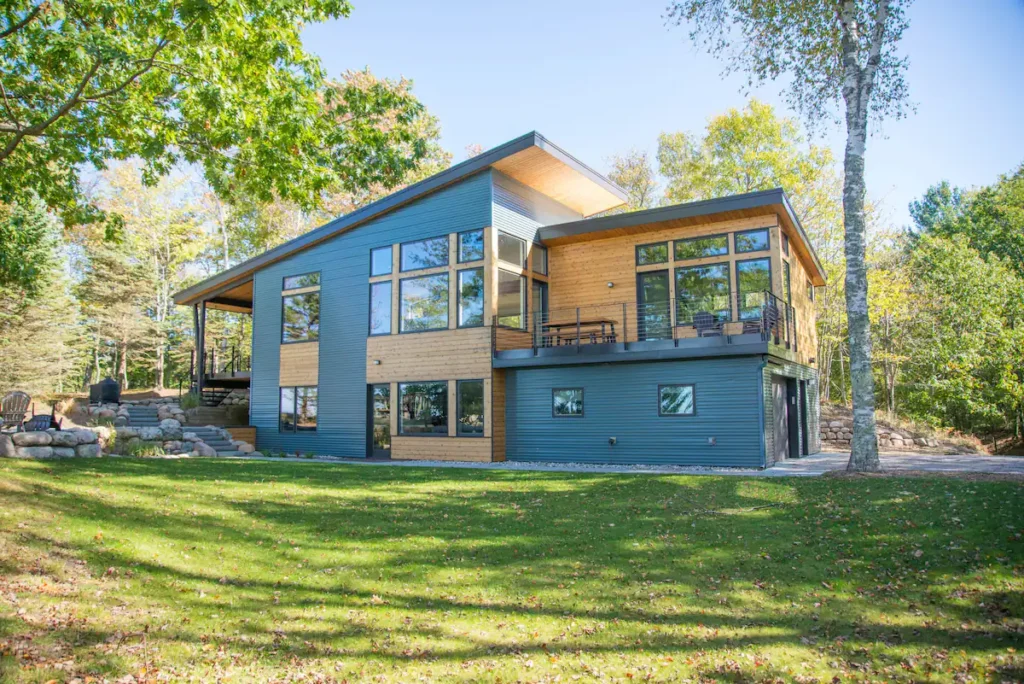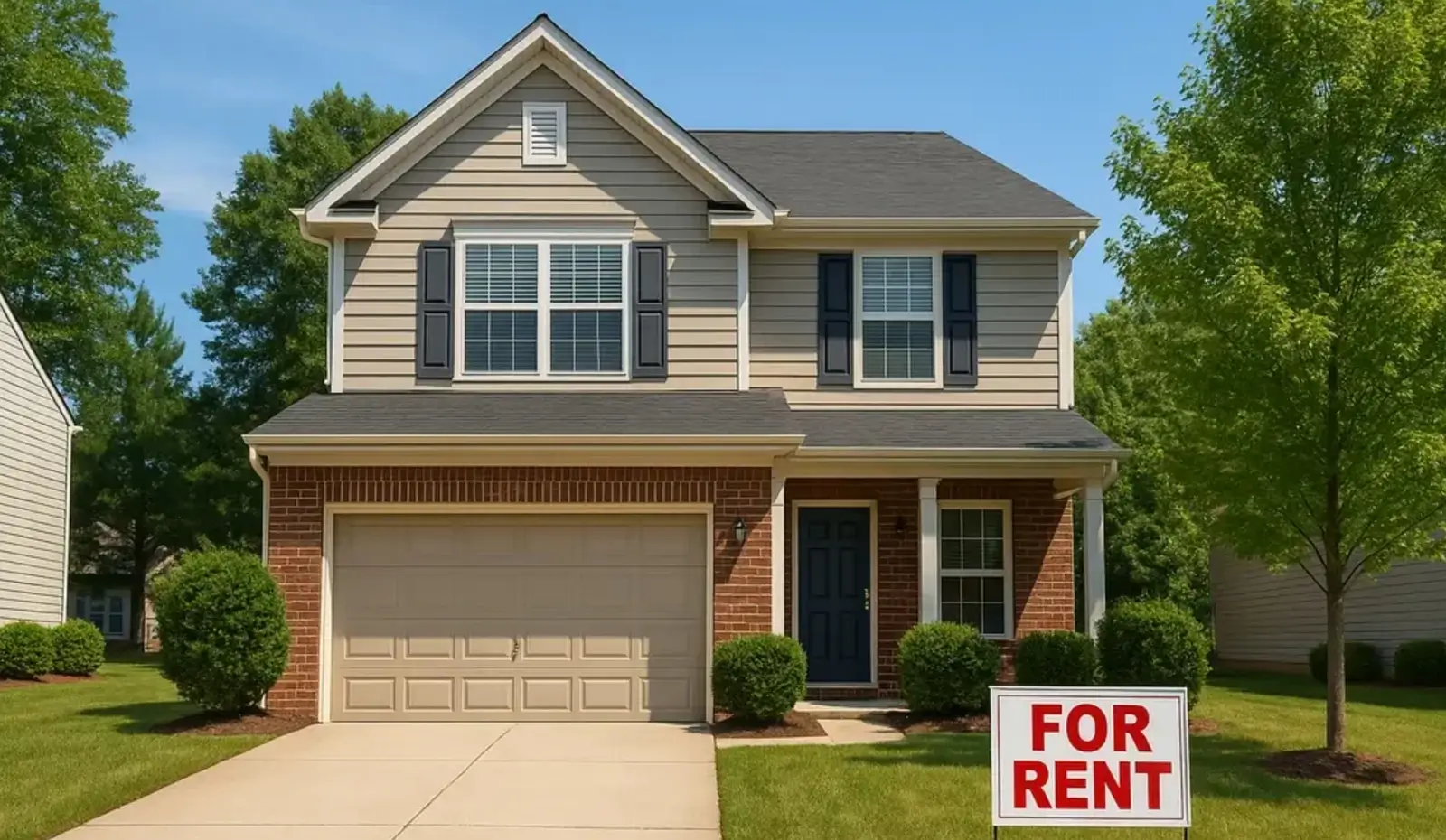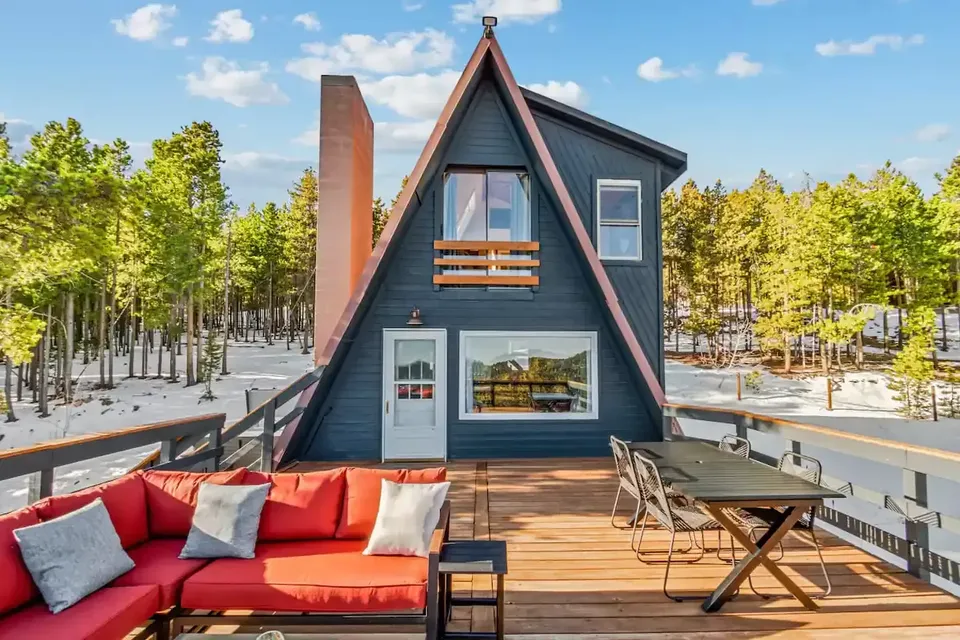
A Florida short-term rental answers three different risks with three different pieces of coverage. Wind damage is handled by the dwelling policy, usually under its own percentage deductible. Flood is excluded from that policy and needs a separate flood policy. Guest liability sits under general liability and does not depend on the storm. This guide explains how those three fit together. What each one costs is a separate question, covered in our Florida cost guide.
Three Risks, Three Answers
The most common Florida mistake is treating “hurricane coverage” as one thing. It is at least three, and the table shows where each one lives.
| Risk | What responds | The catch to check |
|---|---|---|
| Hurricane wind and wind-driven damage | The property and dwelling policy | A separate deductible stated as a percentage of the dwelling limit |
| Storm surge and rising water | A flood policy, federal or private | Excluded from the property policy; has a waiting period |
| A guest is hurt on the property | General liability | A storm can create the hazard, but the coverage does not depend on one |
| Rental income lost after a covered loss | Loss of rents | It follows a covered cause of loss, so the flood question and the income question go together |
If you want the whole program in plain terms, start with our short-term rental insurance explainer. The rest of this guide is the Florida detail.
Wind: The Percentage Deductible
On a Florida dwelling policy, wind from a named storm is rarely handled like an ordinary loss. The policy sets a separate named-storm or hurricane deductible, expressed as a percentage of the dwelling limit and not a flat dollar amount, and it applies in addition to the standard all-other-perils deductible. The practical effect is that the number you carry out of pocket scales with the value of the house.
Three questions decide how that works for you.
- What is the deductible, and when does it apply? Ask whether it applies to every named storm or only to a hurricane, and whether it applies per event or per season.
- What does the dwelling limit assume? If the limit is below the cost to rebuild, the percentage is applied to a number that was already too low. Our ordinance and law page covers the added cost of rebuilding to current code, which older Florida buildings often face.
- Are wind-mitigation features documented? A newer roof, shutters, and opening protection are the sort of details insurers price on, so keep the paperwork.
Coastal properties are priced on the storm first. Our beach house STR insurance page shows how we place the wind and flood layers on a Gulf or Atlantic rental.
Flood: Separate, and Not Only a Coastal Problem
The National Flood Insurance Program (NFIP) says plainly on FloodSmart that most homeowners, renters, and business insurance does not cover flood damage, and that its coverage goes into effect 30 days after the date of purchase, with exceptions. For a Florida host, that waiting period is the reason flood is a decision for the spring and not for the week a storm is named.
The National Hurricane Center (NHC) lists storm surge, heavy rainfall and inland flooding, high winds, rip currents, and tornadoes as the major hazards of a hurricane. It describes storm surge and large waves as the greatest threat to life and property along the coast, and it says flooding is the major threat from tropical cyclones for people living inland. That second point matters in Florida. A rental in the Orlando corridor is far from the surge and still exposed to the rain.
Our guide to flood insurance for a short-term rental walks through how federal and private flood coverage compare, and our flood insurance coverage page shows how the layer fits beside the property policy.
Do not rely on the flood map alone to decide. FEMA says its pricing approach, Risk Rating 2.0, looks at multiple types of flooding, the distance to a water source, elevation, and the cost to rebuild, and does not use flood zones to determine flood risk, although the maps still decide who must buy. A house outside the highest-risk zone can still flood, and in Florida the rain that comes with a storm is often the cause.
Liability: The Part That Does Not Move With the Storm
Guest liability is the one layer that does not change with the weather. If a guest is injured on the property and you are found legally responsible, general liability responds, and it covers your defense as well as a judgment. Our general liability guide for STR hosts goes through limits and exclusions.
A Florida property still has liability exposures that follow the climate. A pool, an outdoor kitchen, and a covered deck are used heavily because the weather allows it, and a storm can leave debris, a loose railing, or standing water behind. Walk the property after any storm and before the next arrival, and keep a record that you did. If the property sleeps a large group, ask about an umbrella layer that sits over the primary limit.
Income and Evacuation
Loss of rents pays rental income while a covered loss keeps the property from being rented. That is the trigger to understand before the season. Damage that the policy covers, such as wind damage to the roof, can trigger it. Whether a mandatory evacuation order, with no damage to your house, pays anything is a wording question, and the wording varies. Ask the question and get the answer in writing.
Also ask how long the income coverage runs. A rebuild after a major storm can take longer than the coverage period, which is why we wrote the loss of rents cap explained.
Scenario: A Gulf Coast Rental After a Named Storm
A host owns a house a few blocks from the Gulf that books most weekends. A named storm passes. Wind removes part of the roof, and surge pushes water into the ground floor. The dwelling policy responds to the wind loss under its percentage deductible. The surge loss is flood, which the property policy excludes, and the host had bought no flood coverage because the house was not in the highest-risk zone. The host also learns that loss of rents follows the covered wind loss and not the flood. Each layer worked as written. The host had assumed they would work as one.
What to Settle, and When
The three layers run on different clocks, which is why the order matters.
Flood comes first. A new federal policy has a 30-day wait, and a private policy sets its own. A host who starts the conversation in the spring has time to compare the options and to ask the lender what it will accept. A host who starts it when a storm has a name has usually run out of time, and some insurers restrict new business when a storm is forecast.
Wind comes second. The named-storm deductible is a decision that is easy to make at renewal and hard to change in a hurry. Run the arithmetic on the dwelling limit now, so the number is not a surprise later. Keep the roof, shutter, and opening-protection paperwork in a folder that goes to the agent every year.
Liability and income come last, but not least. They do not have a waiting period, so they are easy to leave alone, and that is the mistake. Check the liability limit against the guest count and the amenities, and check how income coverage treats a closure. Older Florida buildings may also need the ordinance and law line, because rebuilding to current code after a major loss can cost more than rebuilding what was there.
None of this changes by market. A Panhandle beach house, a Keys cottage, and an Orlando-corridor home each answer the same three questions. The answers differ, and the difference shows up in the deductible, the flood zone, and the amenities.
A Florida Host Checklist Before the Season
- Read the named-storm deductible and write down how it is calculated.
- Compare the dwelling limit with the cost to rebuild, not the purchase price.
- Price flood coverage before the waiting period becomes a problem, and ask the lender what it requires.
- Ask how loss of rents treats an evacuation order and a flood-driven closure.
- Check that liability limits fit the pool, deck, and guest capacity.
- Keep roof, shutter, and opening-protection records with the policy.
- Ask whether the Citizens Property Insurance Corporation is an option, and do not assume it is.
Our Florida location page covers state licensing and market conditions. To compare the layers on a specific property, request a quote and include the address and whether a lender is involved.
Frequently Asked Questions
Does Florida short-term rental insurance cover hurricane damage?
Wind damage from a hurricane is generally a covered peril on the dwelling policy, but it usually carries its own deductible, stated as a percentage of the dwelling limit and separate from the standard deductible. Water that rises from outside the building is flood, which the property policy excludes. Ask your agent how the named-storm deductible works on your policy before the season starts.
Do I need flood insurance for a Florida Airbnb?
In most cases you should price it. A standard property policy generally leaves flood out, and FEMA states that most homeowners insurance does not cover flood damage. It is required if the building is in a high-risk flood area and carries a federally backed mortgage, and some lenders require it elsewhere.
Is hurricane wind covered separately from flood?
Yes, they are different perils with different policies. Wind responds under the property policy, subject to its percentage deductible, while storm surge and rising water respond only under a flood policy. A single hurricane can produce both losses, so a Florida host should confirm each layer on its own.
Does Florida STR liability coverage change in hurricane season?
The liability coverage does not depend on the weather. It responds when a guest or visitor is injured or has property damaged and you are found legally responsible. A storm can create new hazards, such as debris, a flooded walkway, or a damaged railing, so a host should inspect the property before guests arrive.
Will loss of rents pay if a hurricane forces an evacuation?
Loss of rents generally pays when a covered loss makes the property unrentable, so damage that the policy covers is the usual trigger. Whether an evacuation order alone, with no damage to your house, pays anything is a question of the policy wording. Ask before the season and get the answer in writing.
How long does a new flood policy take to start in Florida?
For the National Flood Insurance Program, coverage goes into effect 30 days after the date of purchase, with exceptions such as a policy bought while making, increasing, extending, or renewing a mortgage. A private flood policy sets its own waiting period. Buy before a storm is forecast, not after.
Can Citizens insure my Florida short-term rental?
Citizens Property Insurance Corporation is the state-created insurer of last resort, and its eligibility rules are generally built around residential use. Whether a short-term rental qualifies depends on the property and how it is used, so ask an agent to confirm before you count on it.
The Bottom Line on Florida STR Wind, Flood, and Liability
A Florida rental answers three risks with three separate pieces: the dwelling policy for wind under a percentage deductible, a flood policy for rising water, and general liability for guests. A storm can trigger the first two together, and none of them stands in for another.
Settle the wind deductible, the flood layer, and how income is treated before the season begins. Cost has its own guide in the Florida cost guide. When you are ready, submit a quote or call 317-942-0549 and we will lay the layers side by side.