Short-term rental insurance costs can run as low as $500–$700 for the year to over $3,000, depending on how expensive your property is and where it is located. It is a package of coverages written for paid guest stays: property coverage for the building, liability for guests, and loss of rents for the income. This guide explains each piece, what moves the price, and how to choose.
What Short-Term Rental Insurance Covers
A short-term rental policy is built from several lines, and each answers a different question. The table puts the core lines side by side.
| Coverage | What it responds to | What to ask |
|---|---|---|
| Property and dwelling | Fire, wind, and other covered damage to the structure | Is the form written for guest turnover, and does it pay replacement cost? |
| General liability | A guest or visitor is injured, or their property is damaged | What are the limits, and are the pool, hot tub, and fire pit addressed? |
| Loss of rents | Rental income while a covered loss keeps the property unrentable | How long does it pay, and is there a waiting period? |
| Contents | Furniture, linens, and appliances you supplied | Are guest-facing furnishings scheduled and valued correctly? |
| Ordinance and law | The added cost of rebuilding to current code | Does an older building have this line at all? |
| Umbrella | A liability claim larger than the primary limit | Does it sit over the short-term rental exposure? |
In practice a guest claim and a property claim run on separate tracks. If a guest falls on the stairs, the liability line handles the injury claim and the defense. If a kitchen fire closes the house for the repair, the property line pays for the repair and loss of rents covers the bookings you could not take. A host who carries only one of those tracks is exposed on the other, which is why a short-term rental is usually quoted as a program and not as a single policy.
Not every property needs every line, and a few depend on location. Flood, for example, is excluded from essentially every standard property policy and is bought separately; our flood insurance guide for short-term rentals covers the choice between federal and private flood coverage.
Two of these lines do most of the work in a real claim. General liability pays when a guest is hurt on the property, and our general liability guide for STR hosts goes through limits and exclusions. Loss of rents is the line hosts forget until a loss closes the property for months, and the loss of rents cap explained shows why the restoration period matters.
Why a Homeowners or Landlord Policy Is Not Enough
A standard homeowners policy is priced for a household living in the home. The National Association of Insurance Commissioners (NAIC) says most homeowners or dwelling policies are not designed to cover accidents arising from short-term rentals, and that an insurer may deny coverage even where no specific home-sharing exclusion appears in the policy. It adds that homeowners policies usually exclude or limit coverage for a business run from the home, and a home listed with any frequency can be treated that way.
A landlord policy solves a different problem. It assumes a long-term tenant on a lease, not nightly turnover and amenities that guests use without supervision. Our comparison of STR insurance vs. landlord insurance walks through the commercial-activity exclusion and the occupancy assumptions behind it.
Where platform protection ends
Booking platforms offer host protection programs, and they are worth reading closely. Airbnb describes AirCover for Hosts as protection included with hosting. It is built around bookings made through Airbnb, so it does not follow you to a direct booking or another site, and it is not a policy written on the building. VRBO runs its own program with its own terms. Our posts on whether AirCover is worth it and on VRBO’s liability gaps explain what each program is built to answer.
What Short-Term Rental Insurance Costs
The wide spread at the top of this page exists because the same coverage is priced on the property, not on the label. Four things set most of the premium.
- Property value. A more expensive property costs more to rebuild, and the dwelling line is rated on replacement cost.
- Location. Wind, wildfire, flood, and local claim conditions differ by market, and coastal and mountain properties price on their dominant hazard.
- Amenities and guest capacity. A pool, hot tub, or fire pit and a house that sleeps a large group raise the liability side.
- Operating model. An owner-occupied unit, a full-time rental, and a co-hosted property are underwritten differently.
Those drivers explain why one host pays at the bottom of the range and another pays several times as much for a similar-looking listing. The national short-term rental insurance cost guide works through each driver in depth, and the state guides show how geography moves the number, including Florida, Texas, Colorado, and Tennessee. To see how a specific state treats licensing and exposure, start from the locations directory.
What a Short-Term Rental Policy Usually Leaves Out
Every policy has edges, and hosts are better off learning them from the quote than from a claim letter. The exclusions below recur across the market, though the wording differs by insurer and by form.
- Flood. Rising water is excluded from standard property coverage and needs its own policy. Wind-driven rain through a damaged roof is a property loss, while water that rises from outside is flood.
- Wear, tear, and maintenance. A policy pays for a sudden covered loss, not for a roof that has aged out or plumbing that was never serviced.
- Intentional acts. Damage a guest does on purpose and conduct the policy was never meant to answer sit outside most forms, which is where guest-damage protection and a deposit policy come in.
- Amenities you did not disclose. A pool, a hot tub, or a trampoline that was left off the application can be treated as an undisclosed hazard.
- Business and professional services. Hosting is covered, but running events or a separate business from the property may not be.
The practical point is to match the exclusions to your own listing. If the listing advertises a hot tub, ask how the policy treats it. If the property is old, ask about ordinance and law. If a lender is involved, ask what the lender requires, because a platform program does not satisfy that requirement. Our state-by-state permit and licensing guide is also worth a read, since an unpermitted operation is a harder placement everywhere.
How to Choose a Short-Term Rental Policy
Work through the decision in this order. Each step narrows the field before price comes into it.
- Define how the property operates. Full-time rental, owner-occupied, or co-hosted. Our service pages for single-family, owner-occupied, and multi-unit properties explain how each is placed.
- Confirm the policy names short-term rental use. If the application does not describe paid guest stays, the coverage may not respond to a claim from one.
- Compare the property form, not only the premium. The difference between a personal dwelling form and a commercial form is explained in DP3 vs. commercial habitational.
- Size the liability limit to the exposure. More amenities and more guests call for more limit, and an umbrella is often the efficient way to add it.
- Price the income. Choose a loss of rents period that outlasts a realistic rebuild.
- Ask what is excluded. Read the exclusions for the amenities you offer, and ask for the answer in writing.
For the full range of coverage structures we place, see our vacation rental insurance page and the coverage overview.
Where Hosts Get It Wrong
Three mistakes account for most of the surprises we see. Hosts rely on a homeowners policy after the property goes on a booking site. They treat platform protection as if it were a policy on the building. And they buy on price without comparing what each policy excludes.
Scenario: A Lake House Listed After a Remodel
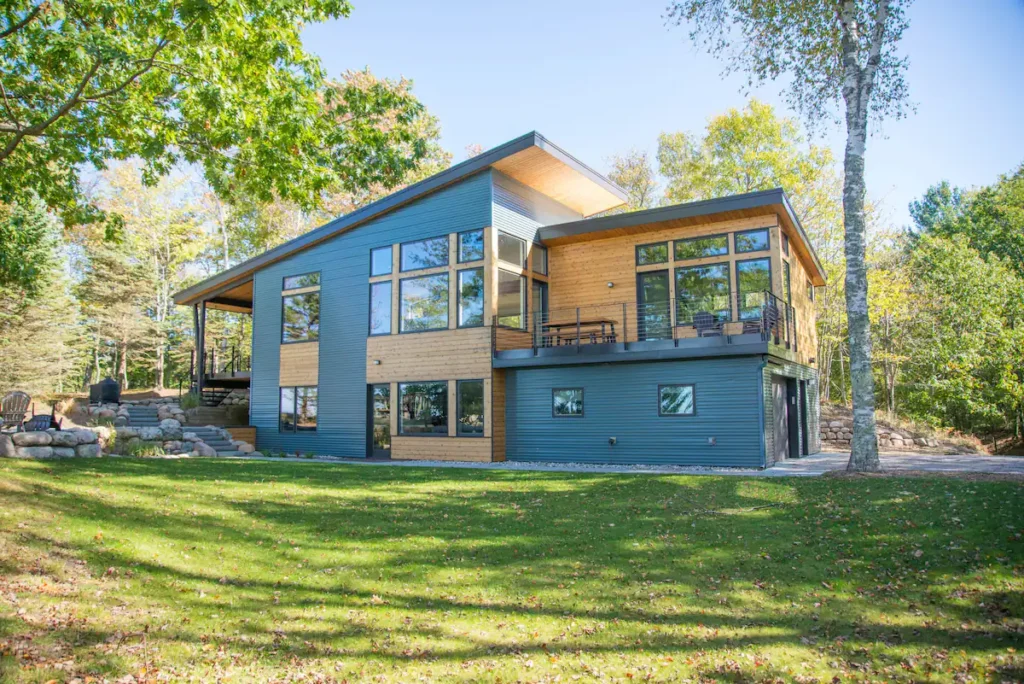
A host finishes a remodel on a lake house and lists it on Airbnb for summer weekends. The host keeps the existing homeowners policy and assumes the platform’s protection covers the rest. A guest slips on the dock stairs and files an injury claim, and the carrier reviews the policy and sees paid short-term rental use that was never disclosed. The platform’s program is tied to the booking and has its own terms, so it does not stand in for a policy on the property. The host’s homeowners carrier raises the commercial-use question, and the claim becomes a coverage dispute. Nothing about the dock was unusual. The gap was in how the property was insured.
The fix is a conversation before the first booking, not after the first claim. If you want the options for a specific property laid side by side, request a quote and include the address, the guest capacity, and whether a lender is involved.
Frequently Asked Questions
How much does short-term rental insurance cost?
Short-term rental insurance can run as low as $500–$700 for the year to over $3,000, depending on how expensive your property is and where it is located. Amenities, guest capacity, and the coverage lines you carry move the number inside that spread. The only reliable price for your property is a quote built on its actual details.
What does short-term rental insurance cover?
A short-term rental program is built from several lines. Property coverage pays to repair or rebuild the structure, general liability responds when a guest or visitor is injured or their property is damaged, and loss of rents replaces income while a covered loss keeps the property unrentable. Contents, ordinance and law, flood, and umbrella coverage are added according to the property.
Does homeowners insurance cover an Airbnb or VRBO rental?
Often not. The National Association of Insurance Commissioners notes that most homeowners and dwelling policies are not designed to cover accidents arising from short-term rentals, and that insurers may deny coverage even when no specific exclusion appears. Ask your carrier in writing how it treats paid guest stays before you list the property.
Is short-term rental insurance different from landlord insurance?
Yes. Landlord insurance is built around a long-term tenant on a lease, while a short-term rental has guest turnover, nightly pricing, and amenities such as hot tubs and pools that landlord forms were not written for. A landlord policy can leave the commercial use of a short-term rental unaddressed, and that gap tends to surface at claim time.
Do I still need insurance if Airbnb or VRBO already protects me?
Yes, in most cases. Platform protection programs are tied to bookings made through that platform and are not a policy written on your property, so direct bookings, the structure itself, and your lender’s insurance requirement are outside what they are built to answer. Treat platform protection as a supplement and keep your own policy underneath it.
How do I choose a short-term rental insurance policy?
Start with how the property operates, then confirm the policy names short-term rental use. Compare the property form, liability limits, loss of rents terms, and exclusions across quotes instead of comparing price alone. Ask what the policy does for a guest injury, a fire, and a month of cancelled bookings before you decide.
Does short-term rental insurance cover lost rental income?
It can, if loss of rents is included on the policy. Loss of rents replaces rental income while a covered loss, such as a fire, keeps the property from being rented, and it depends on the cause of loss being covered. Read the waiting period and the length of the restoration period, because a long rebuild can outlast the coverage.
The Bottom Line on Short-Term Rental Insurance
Short-term rental insurance is a package, not a single product: property coverage for the structure, liability for guests, and loss of rents for the income. Price depends mostly on how expensive the property is and where it sits, so a quote on your own address is the only number that counts.
Choose by operating model first, then compare forms, limits, and exclusions across quotes. Start with the short-term rental insurance cost guide, then submit a quote or call 317-942-0549 and we will lay the options side by side.