Short-term rental insurance in Tennessee runs roughly $1,800–$6,000+ per year for most properties — meaningfully below coastal states, but with cost drivers competitors’ guides miss. Three Tennessee-specific factors shape pricing: Nashville’s Type 1/Type 2 STRP permit framework and how it changes underwriting class, the Smoky Mountain cabin market’s amenity density and post-2016-fire rebuild standards, and Middle and West Tennessee tornado exposure. Here are the real numbers.
The Tennessee-Specific Cost Drivers Other Guides Miss
Most STR cost guides lump Tennessee in with “the South” and apply a generic rate. That misses how Tennessee STR underwriting actually works. The drivers common to every state are in our national cost guide; what follows is what makes Tennessee its own case.
The first driver is Nashville’s STRP permit structure. Nashville’s Short-Term Rental Property ordinance issues two permit types: Type 1 for owner-occupied properties and Type 2 for non-owner-occupied properties. This isn’t just a city-compliance detail — it’s an underwriting fact. A Type 1 owner-occupied STR and a Type 2 non-owner-occupied STR are different risks that belong on different dwelling forms. In our experience, a meaningful share of Nashville coverage problems trace back to a Type 2 property insured on a form built for an owner-occupied home. Tennessee also applies a local occupancy tax to short-term rental stays — the Tennessee Department of Revenue administers it — one more sign the state and its cities treat an STR as a commercial lodging operation rather than a residence, which is exactly why a homeowners form is the wrong fit.
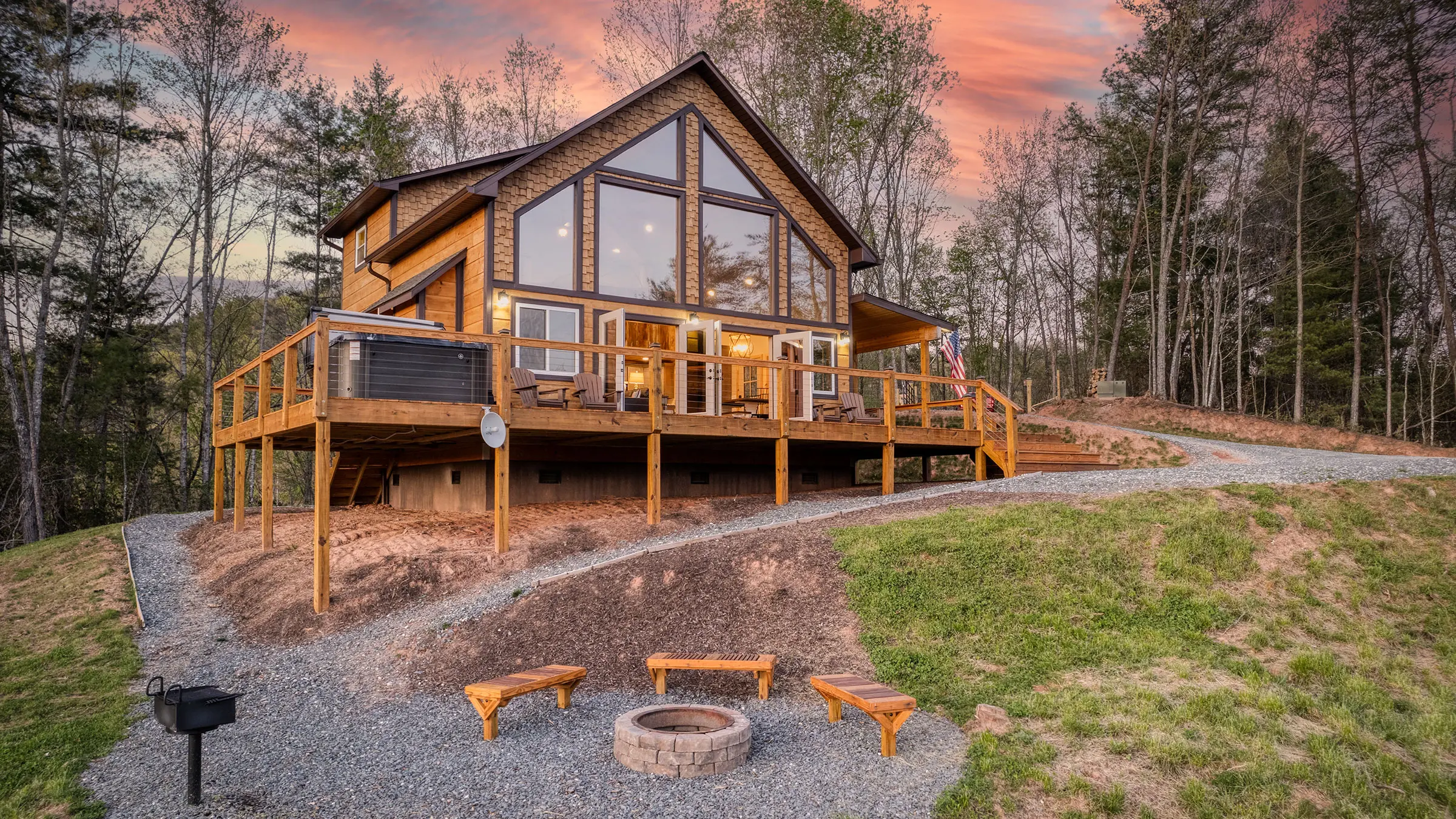
The second driver is the Smoky Mountain cabin market. Sevier County — Gatlinburg, Pigeon Forge, Sevierville, Wears Valley — is one of the densest cabin STR markets in the country, a region AirDNA data consistently ranks among the top US vacation-rental destinations. These properties are amenity-heavy: multiple hot tubs, fire pits, game rooms, theater rooms, large guest capacity. Amenity density drives general liability cost. And since the 2016 Chimney Tops 2 fire, rebuild and code expectations in the Smokies have shifted — Ordinance & Law coverage carries more weight on older cabins than most hosts assume.
The third driver is tornado and hail exposure in Middle and West Tennessee. Tennessee has no hurricane exposure and no coastal flood — which is why its STR premiums sit well below Florida’s, Texas’s, or California’s. But the Nashville-to-Memphis corridor sees real tornado and severe-hail activity, and that’s the dominant property peril for urban Tennessee STR. The Insurance Information Institute’s tornado and thunderstorm facts document the pattern. The Tennessee Department of Commerce and Insurance regulates the carriers writing this coverage.
Real Cost Ranges We See in Tennessee
In our experience placing Tennessee STR coverage, annual premium for a full program — general liability, dwelling, loss of rents, and contents — typically falls in these ranges:
- Urban single-family STR (Nashville, Memphis, Knoxville, Chattanooga): roughly $1,800–$3,800/year
- Smoky Mountain cabin, standard amenities (one hot tub, moderate capacity): roughly $2,500–$4,500/year
- Smoky Mountain cabin, high amenity / high capacity (multiple hot tubs, theater and game rooms, large groups): roughly $4,500–$8,000+/year
- High-value mountain or lakefront property: frequently $8,000+/year
These are program ranges. Tennessee avoids the percentage wind deductibles of the coastal states — most Tennessee policies carry a flat all-other-perils deductible plus a separate wind/hail deductible that’s often a modest percentage in the tornado corridor. We don’t quote off a calculator; Tennessee placements run the property’s amenity profile, location, and operating model through the specialty carrier panel.
Scenario: $650K Smoky Mountain Cabin in Pigeon Forge
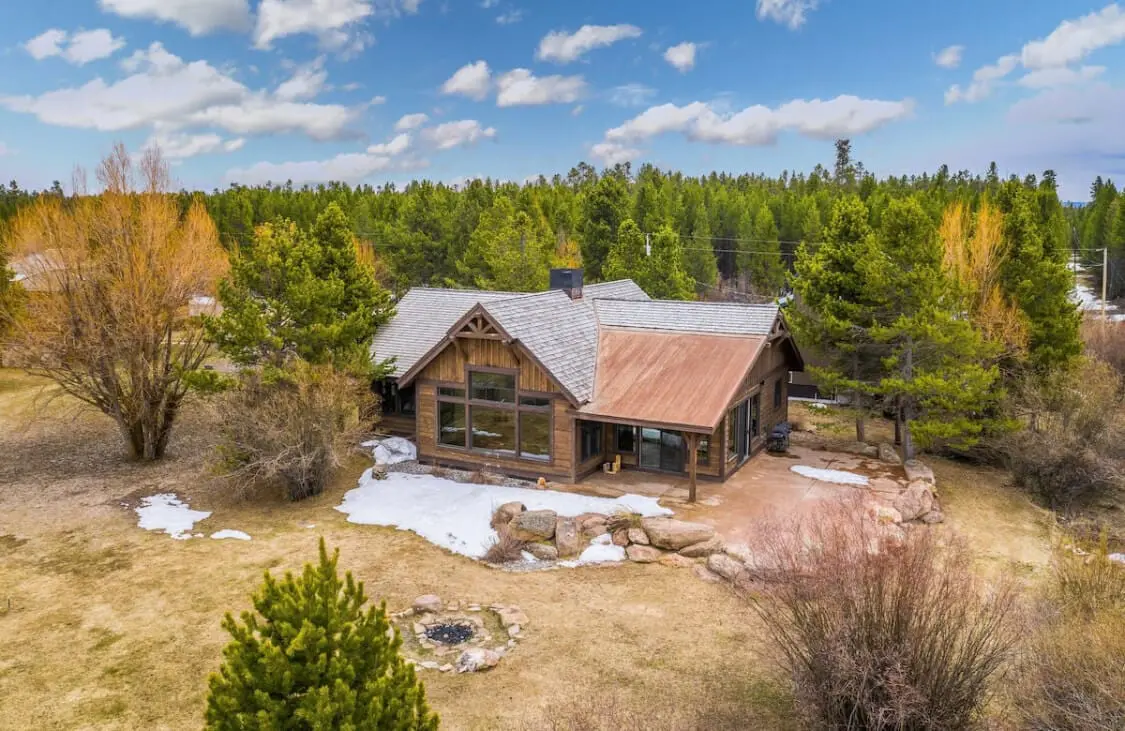
We recently helped a host with a $650K, 3-bedroom log cabin in Pigeon Forge (Sevier County) — non-owner-occupied, 8-guest capacity, two hot tubs, a game room. The cabin earns roughly $72K/year on Airbnb and VRBO, heavily concentrated in the October leaf season and the December holiday weeks. The host had insured it on a standard homeowners policy carried over from when it was a second home — the policy never contemplated transient guests.
We placed it on a dwelling form built for a non-owner-occupied short-term rental, with general liability sized for the two-hot-tub amenity profile and an Extended Period of Restoration endorsement to protect the concentrated peak-season income. Annual premium across GL, dwelling, loss of rents, and contents came to roughly $4,100 — modestly above the old homeowners policy, but coverage that actually matches a non-owner-occupied cabin hosting 8 guests at a time. The amenity-driven GL was the line that moved most; a single-hot-tub cabin of the same value would have come in several hundred dollars lower.
Cost by Coverage Type in Tennessee
A Tennessee STR program is built from several coverage lines, each priced on its own logic.
General Liability
General liability covers third-party bodily injury and property damage from guest stays. Typical limits are $1M each occurrence / $2M aggregate. In the Smoky Mountain cabin market, GL is the line most sensitive to amenities — multiple hot tubs, fire pits, and large guest capacity push it up. See general liability for short-term rentals.
Property / Dwelling
The dwelling line covers the structure, written on a dwelling form matched to the operating model. In Nashville this is where the Type 1 versus Type 2 distinction lives — owner-occupied and non-owner-occupied properties belong on different forms. See property and dwelling coverage.
Loss of Rents
Loss of rents replaces rental income while a covered loss makes the property unrentable. For Smoky Mountain cabins, income is concentrated in leaf season and the holidays — a loss that knocks the cabin out during a peak window is large. An Extended Period of Restoration endorsement is worth pricing. See loss of rents coverage.
Ordinance & Law
Ordinance & Law covers the gap between rebuilding what was there and rebuilding to current code. On older Smoky Mountain cabins — and post-2016, code expectations in the Smokies have risen — this line matters more than hosts expect. See Ordinance & Law coverage.
Umbrella / Excess
An umbrella stacks higher limits over primary GL — strongly advisable for multi-amenity cabins with large guest capacity, and typically one of the most cost-efficient lines. See umbrella and excess liability.
Cost by Major Tennessee Market
Tennessee STR pricing varies by market more than the modest statewide range suggests.
Nashville Metro
Urban single-family and condo STR governed by the STRP Type 1/Type 2 framework. Pricing is moderate; the underwriting-class question — owner-occupied versus non-owner-occupied — matters more here than the premium number.
Gatlinburg and Pigeon Forge
The Smoky Mountain cabin core. The densest, most amenity-heavy STR market in Tennessee, and the highest-priced — amenity-driven GL plus high replacement costs on large log cabins. Sevierville and Wears Valley price similarly.
Memphis
West Tennessee urban STR with tornado-corridor exposure and music-tourism demand. Pricing is moderate; the wind/hail deductible is the line to confirm.
Knoxville
East Tennessee urban STR, Smokies-adjacent. Lower amenity density than the cabin core; prices toward the lower end of the range.
Chattanooga
Tennessee River urban STR with outdoor-recreation tourism. Moderate pricing; mountain-adjacent properties carry slightly more exposure than the urban core.
For the full regulatory and peril picture, see our Tennessee short-term rental insurance page.
The Most Common Tennessee STR Coverage Gap We See
The most common Tennessee STR coverage gap is a Smoky Mountain cabin insured on a standard homeowners policy after it went onto a platform.
It’s the same pattern we see everywhere, and the Smokies make it especially common: a host buys a cabin as a second home, insures it on a homeowners policy, then lists it on Airbnb and VRBO. The homeowners form excludes the commercial lodging activity that defines an STR. Nothing goes wrong for a season or two. Then there’s a claim — a guest injury at the hot tub, a kitchen fire, storm damage — and the carrier’s investigation reveals the cabin was operating as a short-term rental. The claim is denied.
The Nashville version of this gap is more specific: a Type 2 non-owner-occupied STR insured on a Type 1 owner-occupied policy form. The two are different underwriting classes. A non-owner-occupied property where the owner is never on site, hosting a steady stream of transient guests, is not the risk a standard owner-occupied homeowners form was priced for. When that mismatch surfaces at claim time, coverage can fail.
Both gaps have the same fix: a dwelling form placed with full knowledge of how the property actually operates — owner-occupied or not, cabin or condo, one hot tub or three.
How to Lower Your Tennessee STR Insurance Costs
Tennessee STR premium is already lower than the coastal states, but several levers still move it:
- Confirm and document the operating model. In Nashville, knowing and stating whether the property is Type 1 or Type 2 gets it on the right form the first time and avoids a costly re-rate later.
- Right-size the dwelling limit. Insure to replacement cost. Large log cabins have high rebuild costs, but insuring above replacement cost wastes premium.
- Bundle the program with one carrier. A single carrier writing GL, dwelling, loss of rents, and contents together usually prices better than scattered placements.
- Document amenity safety. Hot tub covers and locks, posted occupancy rules, fire-pit clearances, and guest screening can support better GL pricing on amenity-heavy cabins.
- Shop carriers that actually write Tennessee cabin STR. The carriers that understand the Smoky Mountain cabin market price it accurately; generic markets either decline it or load the rate.
- Don’t underinsure to chase a lower premium. Cutting the dwelling limit or skipping Ordinance & Law on an older cabin isn’t saving money — it moves the cost to claim time.
When You Should Get Tennessee Quotes Restructured
Re-shop or restructure your Tennessee STR coverage when any of these is true:
- You bought the policy before listing the property as an STR. A carried-over second-home homeowners policy almost certainly doesn’t contemplate transient guests.
- Your Nashville permit type is Type 2 but your policy reads as owner-occupied. That mismatch is the Nashville coverage gap — fix it before a claim does.
- You added hot tubs, a game room, or capacity. Amenity changes move the GL and umbrella exposure; the policy should be updated.
- Your cabin is older and you’ve never priced Ordinance & Law. Post-2016 Smoky Mountain rebuild expectations make that gap real.
- It’s been more than a year since anyone reviewed the program. Tennessee pricing and city ordinances both shift.
If any of those apply, submit a quote and we’ll restructure the program around how the property actually operates. Tennessee’s inland cabin-and-tornado profile is a different cost picture from the coastal hurricane states — see our Florida STR cost guide for the contrast.
Frequently Asked Questions
How much does short-term rental insurance cost in Tennessee?
Most Tennessee STR properties run roughly $1,800–$6,000+ per year for a full program of general liability, dwelling, loss of rents, and contents. Urban listings in Nashville, Memphis, Knoxville, and Chattanooga sit at the low end; multi-amenity Smoky Mountain cabins in Gatlinburg and Pigeon Forge sit at the high end. Tennessee STR insurance is meaningfully cheaper than coastal hurricane states, but the Smoky Mountain cabin market and Middle and West Tennessee tornado exposure both shape pricing.
Why does Tennessee STR insurance cost less than coastal states?
Tennessee has no hurricane or named-storm wind exposure and no coastal flood zone, so it avoids the percentage wind deductibles and surplus lines placement that drive coastal-state premiums. Tennessee’s main severe-weather exposure is tornado and hail in Middle and West Tennessee, which is covered under standard property forms. The result is STR premium well below Florida, Texas, or California — though the Smoky Mountain cabin market still carries amenity-driven liability cost.
How do Nashville’s Type 1 and Type 2 STR permits affect insurance?
Nashville’s Short-Term Rental Property (STRP) ordinance distinguishes between Type 1 (owner-occupied) and Type 2 (non-owner-occupied) permits, and the distinction matters for insurance. An owner-occupied Type 1 property and a non-owner-occupied Type 2 property are different underwriting classes — they call for different dwelling forms. Insuring a Type 2 non-owner-occupied STR on a policy built for an owner-occupied home is a common Nashville coverage gap that surfaces at claim time.
Does Tennessee require special STR licensing or insurance?
Tennessee does not impose a single statewide STR insurance mandate, but cities regulate short-term rentals locally. Nashville’s STRP ordinance, with its Type 1 and Type 2 permit structure, is the most developed; Gatlinburg, Pigeon Forge, Sevierville, Memphis, and Knoxville each maintain their own rules. The local permit classifies the property as a commercial lodging use, which standard homeowners policies exclude.
What’s the most common Tennessee STR coverage gap?
The most common Tennessee STR coverage gap is a Smoky Mountain cabin insured on a standard homeowners policy after it went onto Airbnb or VRBO. The homeowners form excludes the commercial lodging activity, so a guest injury or a major property loss can be denied. In Nashville, the parallel gap is a Type 2 non-owner-occupied STR insured on an owner-occupied policy form. Both are fixed by placing the property on a dwelling form that matches how it actually operates.
Are Airbnb’s AirCover and VRBO’s host protection enough for Tennessee properties?
No. Airbnb’s AirCover and VRBO’s host liability program are supplemental — they are not a substitute for a property’s own insurance policy, and they exclude major exposures including damage to the structure, loss of rents during a closure, and many third-party liability scenarios. They also do not address the Type 1 versus Type 2 underwriting question in Nashville. A Tennessee STR needs a dedicated policy that responds where the platform programs end.
How fast can STR Guard quote Tennessee short-term rental insurance?
We typically return Tennessee STR quote requests within 1–2 hours during business hours. Smoky Mountain cabin placements with multiple amenities, and Nashville placements where the permit type needs to be confirmed, can take a little longer, but you will hear back the same business day. Submit the property details through the quote form and we structure a program from carriers actively writing Tennessee short-term rental coverage.
The Bottom Line on Tennessee STR Insurance Cost
Tennessee STR insurance is meaningfully cheaper than the coastal hurricane states — no named-storm wind deductibles, no coastal flood — but it is not a commodity. Two Tennessee-specific factors decide whether coverage holds up: the Nashville STRP permit type, which sets the correct dwelling form for a Type 1 owner-occupied versus a Type 2 non-owner-occupied property, and the Smoky Mountain cabin market’s amenity density and post-2016-fire rebuild standards. Hosts who match the policy form to how the property actually operates get coverage that responds; hosts who don’t discover the gap at claim time.
If you’re shopping Tennessee STR coverage, submit a quote or call 317-942-0549. We respond in 1–2 hours during business hours and place coverage from 17+ carriers actively writing Tennessee short-term rental property — from a Smoky Mountain cabin to a Nashville owner-occupied STR.