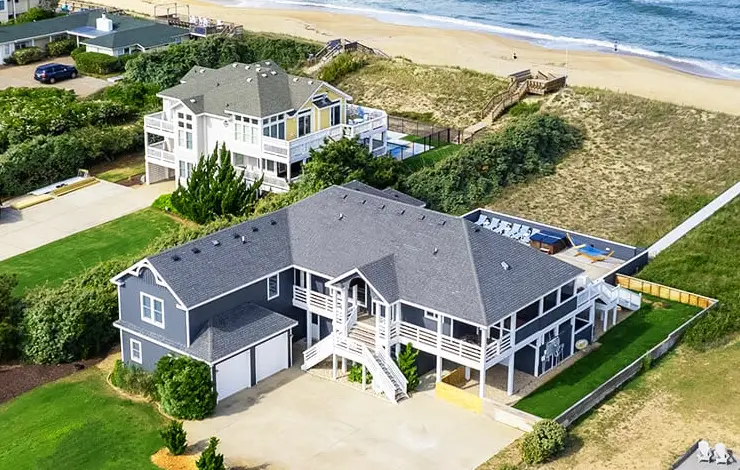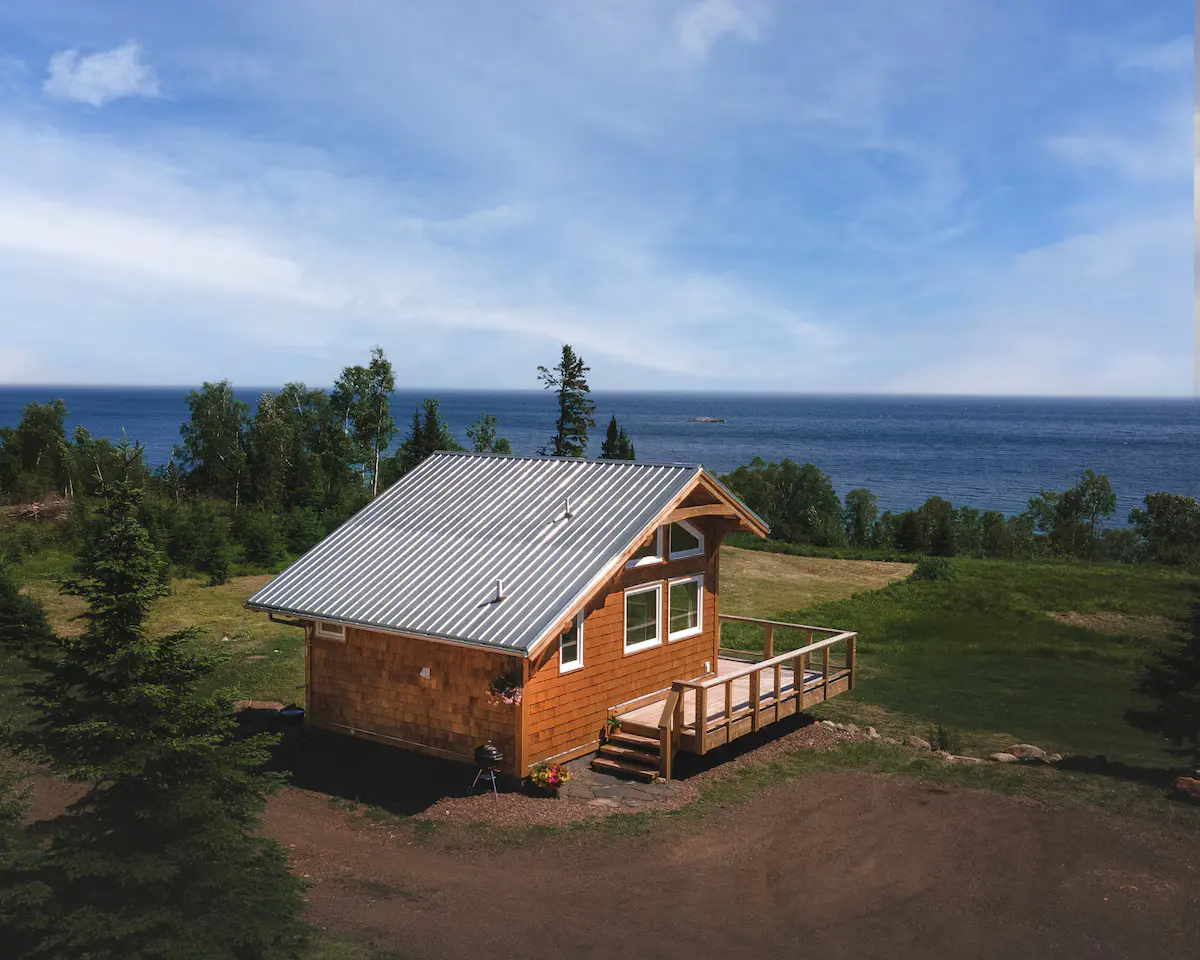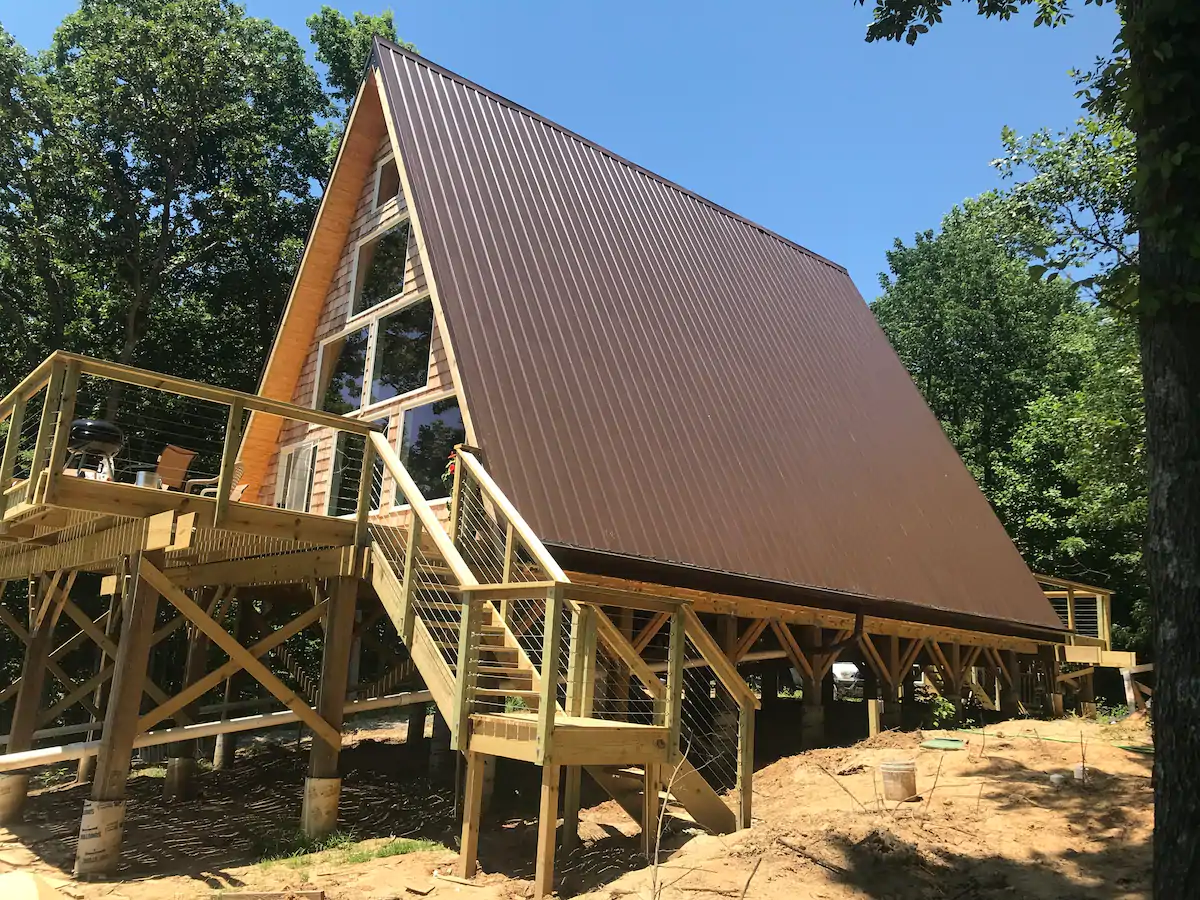
To get short-term rental insurance in Rhode Island, register the rental with the state, gather the property’s details, and request quotes for a policy written for short-term rental use rather than a homeowners policy. If the home is near the coast in Newport, Narragansett, Westerly, or on Block Island, plan for a separate flood policy and a wind deductible, and give yourself more time to place coverage.
Step 1: Register With the State
The Rhode Island Department of Business Regulation requires short-term rentals listed on hosting platforms to be registered with the state. Its short-term rentals page explains the process and links to frequently asked questions. Cities and towns can add their own rules, and some coastal towns are active about it.
Register before you list. An insurer may ask whether the rental is registered, and operating outside the rules complicates a claim. Our guide to short-term rental permits by state explains how local rules layer on state ones.
Step 2: Gather the Property Details
Insurers quote faster when everything arrives at once. Put together:
- Address, year built, square footage, and construction type
- Roof age and type, and the age of wiring, plumbing, and heating
- Distance to the coast or nearest water
- Flood zone, and an elevation certificate if you have one
- Amenities: pool, hot tub, dock, fire pit
- Maximum occupancy and number of bedrooms
- Expected rental pattern, including whether you use the home yourself
- Claims history and any prior non-renewals
Older homes are common in Rhode Island, from Newport’s historic houses to Victorian cottages in Watch Hill. For those, note any updates, and ask about ordinance and law coverage, which helps pay for code upgrades during a rebuild.
Step 3: Choose the Right Kind of Policy
A homeowners policy is written for a family living in the home and may limit or exclude rental use. A short-term rental policy is built for nightly guests. Our post on short-term rental insurance versus landlord insurance explains why the form matters.
If you use the home in summer and rent it the rest of the year, or the reverse, say so. Some rental policies allow owner use and some do not. Our post on insuring a vacation home rented fewer than 100 nights covers part-time arrangements.
Step 4: Plan for Wind on the Coast
Rhode Island sits in the path of hurricanes and nor’easters, and Narragansett Bay can funnel storm surge inland. Coastal policies often carry a separate wind or hurricane deductible, sometimes set as a share of the dwelling limit, which can be much larger than the regular deductible.
Fewer insurers write wind close to the water. If the regular market will not offer coverage, Rhode Island’s FAIR Plan acts as an insurer of last resort, subject to its own eligibility rules. Ask your agent whether it fits a rental before relying on it. Our guide to coastal rental insurance for wind, named storms, and flood covers the structure.
Step 5: Add Flood
Flood is excluded from most property policies. Coastal homes, homes near rivers such as the Pawtuxet, and low-lying homes should carry a separate flood policy. Federal policies generally carry a waiting period, so buy it early. Our flood insurance coverage page explains the options.
Step 6: Set the Liability Limit
Liability pays when a guest is hurt and you are found responsible. Decks, steep stairs in older homes, pools, and docks are common sources of claims. Our general liability coverage page covers the primary layer, and an umbrella adds limit above it.
Scenario: The Newport Cottage
A buyer closes on a shingled cottage a few blocks from the water in Newport and plans to rent it most weekends from spring to fall. The first insurer approached declines wind that close to the coast. The agent places a short-term rental policy with another insurer that writes coastal wind with a separate hurricane deductible, adds a flood policy, and confirms the policy allows the owners to stay there in the off season. The host registers with the state before the first listing goes live.
Step 7: Keep It Current
Once the policy is in place, review it every year. Our short-term rental renewal checklist covers what to check. Report changes to the property, the rental pattern, or the amenities as they happen.
Block Island and Island Homes
Homes on Block Island and other island locations bring their own questions. Rebuild costs run higher because materials and labor must come by ferry. Fire response is more limited than on the mainland. And access for repairs after a storm can take time, which affects how long the home sits out of service.
Tell your agent the property is on an island, and set the dwelling limit with those rebuild costs in mind. Loss of rents coverage matters more where repairs take longer, so check how long the policy will pay lost booking income.
Liability in Summer Beach Towns
Rhode Island’s rental season peaks in summer, when beach towns fill with families and groups. Common sources of claims include outdoor showers, decks, steep stairs in older cottages, bicycles provided for guests, and pools.
- Keep decks and railings in good repair, and check them each spring.
- Post rules about the pool, the hot tub, and parties.
- Provide helmets with bicycles, or do not provide bicycles.
- Light the path from parking to the door.
These steps lower the chance of an injury and help the defense if one happens. Our post on general liability for hosts covers how the coverage itself works.
Quick Reference
- Register with the Department of Business Regulation.
- Check city or town rules.
- Gather property details.
- Quote a policy built for rental use.
- Plan for wind and flood on the coast.
- Set liability limits and consider an umbrella.
Our Rhode Island page covers the state’s main rental markets. For a quote, request a quote or call 317-942-0549.
Frequently Asked Questions
Do I need to register a short-term rental in Rhode Island?
Yes. The Rhode Island Department of Business Regulation requires short-term rental properties listed on hosting platforms to be registered with the state. Cities and towns may add their own rules, so check locally as well.
Does Rhode Island require short-term rental insurance?
Requirements can come from your city or town, your lender, or your association. Even where nothing requires it, a homeowners policy may not cover paying guests, so a policy built for rental use is the practical answer.
Is coastal Rhode Island hard to insure?
Homes near the water in Newport, Narragansett, Westerly, and Block Island face hurricane and nor’easter wind and coastal flooding. Fewer insurers write wind close to the shore, and wind deductibles can be large. It is insurable, but it takes more shopping.
Does my Rhode Island rental policy include flood?
Usually not. Flood is excluded from most property policies and bought separately. Coastal and riverside homes should carry it, and inland homes should consider it.
What if no insurer will write my coastal Rhode Island home?
Rhode Island has a FAIR Plan that serves as an insurer of last resort for property that cannot find coverage in the regular market. Its eligibility and use rules apply, so ask your agent whether it fits a rental before relying on it.
How long does it take to get a Rhode Island rental quote?
An inland home with clean history can be quick. Coastal homes, older homes, and properties with pools or docks take longer. Start well before your first booking or closing date.
Does AirCover replace insurance for a Rhode Island host?
No. Airbnb’s host programs apply to Airbnb bookings under Airbnb’s terms. They do not cover the building against storms or fire and do not cover direct bookings. Carry your own policy.
The Bottom Line for Rhode Island Hosts
Getting short-term rental insurance in Rhode Island means registering the rental, sending an insurer a complete picture of the property, and planning for coastal wind and flood if the home is near the water. A policy built for paying guests is the base, with flood and an umbrella added where they fit.
Read our Rhode Island page, then submit a quote or call 317-942-0549.