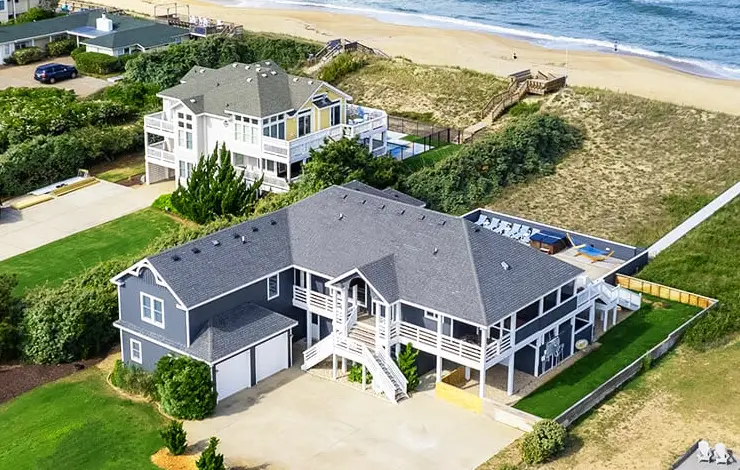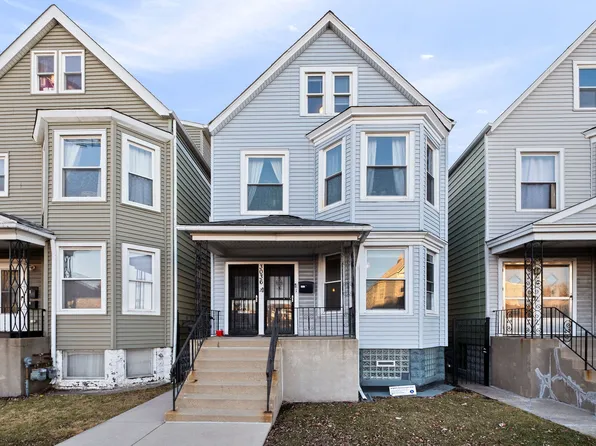
Before your short-term rental insurance renews, check three things first: that the policy still describes the property as a short-term rental used the way you use it, that the dwelling value and deductibles still fit, and what the insurer changed in the new term. Most renewal problems come from one of those three, and all of them are easier to fix before the renewal date than after a claim.
Start With the Change Notice
Renewal packets often include a page titled something like a summary of changes or important notice. It is easy to skip, and it is the most important page in the envelope. It is where an insurer tells you about a new exclusion, a narrower definition, a different deductible structure, or a form replaced by a newer edition.
Read it first. If you do not understand a change, ask your agent to explain what it means in practice for your property. A change that removes coverage for a pool slide, or adds a condition about occupancy limits, matters as much as a price increase.
Compare the Declarations Page Line by Line
Put last year’s declarations page next to this year’s and go down both.
Who and where. Confirm the named insured still matches the owner of record. If you moved the property into an LLC during the year, the policy has to follow. Confirm the mortgagee if you refinanced.
Form and occupancy. Make sure the policy still describes short-term rental use. A policy written as owner-occupied or long-term rental does not fit a property booked by the night. Our post on short-term rental insurance versus landlord insurance explains why that description decides claims.
Limits. Many policies raise the dwelling limit automatically each year to track building costs. That increase can explain part of a higher premium, and it may still leave the limit short if you renovated. Check loss of rents against what the property actually earned this year.
Deductibles. Look for a separate wind, hail, or named storm deductible, and note whether it is a flat amount or a share of the dwelling limit.
Endorsements. Count them. If one disappeared, find out why.
Report What Changed at the Property
The policy was written on facts you supplied a year or more ago. If any of these changed, tell your agent before renewal:
- A pool, hot tub, dock, fire pit, or game room was added or removed
- Bedrooms, square footage, or maximum occupancy changed
- The roof, wiring, plumbing, or heating was replaced
- You moved from occasional rentals to year-round bookings, or the reverse
- A new property manager or co-host took over
- You started taking direct bookings outside the platforms
Some changes lower the premium, such as a new roof. Others need to be disclosed so a claim is not questioned later. Our post on what to check about a pool or hot tub lists the amenity questions insurers ask.
Decide on Deductibles on Purpose
Renewal is the right time to change a deductible, because mid-term changes are not always allowed. A higher deductible lowers the premium, and it also means more small losses come out of your pocket. Guest damage is often in that range, which is why our guide to guest damage protection deductibles and limits walks through what falls below the deductible and who pays it.
When the Price Jumps
If the premium rose sharply, ask your agent what drove it. A higher dwelling limit, a recent claim, a regional change in the insurer’s appetite, or new state-level rate filings each call for a different response. Shopping the policy makes most sense when the increase is about the insurer rather than about your property.
Give yourself time. A quote for a short-term rental with amenities, a coastal address, or a recent claim can take longer than a homeowner quote.
Scenario: The Renewal That Changed the Wind Deductible
A host with a coastal rental receives the renewal two weeks before it takes effect and pays it without reading the packet. The premium barely moved. Buried in the change notice, the wind deductible switched from a flat amount to a share of the dwelling limit. A storm the next fall damages the roof, and the deductible is several times what the host expected. Nothing was hidden. The notice was in the envelope, unread.
If You Receive a Non-Renewal
A non-renewal means the insurer will not offer a new term. It is not a cancellation, and the current policy runs to its end date. States set rules for how much notice the insurer must give and what reasons it may use. The NAIC’s directory of state insurance departments lists the regulator to contact if a notice looks wrong.
Call your agent the day it arrives. The goal is a replacement policy that starts the moment the current one ends, with no gap in between. Our guide to how soon short-term rental coverage starts explains binding and effective dates.
Rebuild Cost, Not Market Value
The dwelling limit should reflect what it would cost to rebuild the home after a total loss, not what the home would sell for. The two can be far apart. Land value is part of the sale price and costs nothing to rebuild. Labor, materials, and code requirements are part of the rebuild cost and can rise faster than home prices.
At renewal, ask your agent how the dwelling limit was set and whether it reflects current building costs in your area. If you renovated, added a room, or upgraded finishes, the limit may now be too low. Underinsuring the building can reduce what the policy pays on a partial loss as well as a total one, depending on the policy’s terms.
Coverage You Did Not Have Last Year
A renewal is also the time to ask what you might be missing. Coverages that hosts often add at renewal include:
- Ordinance and law, which helps pay for code upgrades during a rebuild of an older home.
- Equipment breakdown, for heating, cooling, pool, and hot tub equipment.
- An umbrella, if the property added a pool, a dock, or more guest capacity.
- Flood, which most property policies exclude and which is bought separately.
Adding coverage costs money, and not every host needs every option. The point is to decide on purpose rather than renew last year’s choices by default.
A Renewal Routine
- Read the change notice first.
- Compare both declarations pages line by line.
- Send your agent a list of property changes.
- Choose deductibles deliberately.
- Confirm the renewal is paid and the new declarations page is in your files.
Ready for a second opinion on your renewal? Request a quote and include the packet, or call 317-942-0549.
Frequently Asked Questions
When should I start reviewing my short-term rental renewal?
As soon as the renewal notice arrives, and ideally a month or more before the renewal date. That leaves time to ask questions, request changes, or shop the policy if the terms moved. Waiting until the last week leaves you accepting whatever was offered.
Why did my short-term rental insurance go up at renewal?
Common reasons include higher rebuild costs, a claim on your record, a change in the insurer’s appetite for your area, new weather losses in your region, or an automatic increase to the dwelling limit. Ask your agent which of these applies. The answer decides whether shopping the policy is worth it.
What is a non-renewal notice?
It means the insurer will not offer another term once the current one ends. States set rules on how much notice an insurer must give and what the notice must say. Call your agent the day it arrives so a replacement can be placed before the policy ends.
Should I raise my deductible at renewal to lower the premium?
It can lower the premium, but only choose a deductible you could pay after a bad week without strain. On coastal property, check the named storm or wind deductible separately, because it is often set as a share of the dwelling limit rather than a flat amount.
Do I need to tell my insurer about changes to my rental?
Yes. A new hot tub, a renovation, more bedrooms, a switch from part-time to full-time renting, or a new management company can all change how the property is rated. Report them before renewal so the new term is written on accurate facts.
Can my insurer change coverage at renewal without telling me?
Insurers generally have to tell you about changes, but the notice may be a form tucked into the renewal packet. Read anything titled as a change notice or summary of changes, and compare the new declarations page with last year’s line by line.
Is it worth shopping my policy every year?
Not always. Loyalty does not lower premiums by itself, but frequent switching can leave gaps if dates do not line up. Shop when the price jumps, the terms narrow, or your rental has changed enough that the current form no longer fits.
The Bottom Line on Renewing Short-Term Rental Insurance
A renewal is the yearly chance to make sure the policy still describes the rental you actually run. Read the change notices, compare the declarations page with last year’s, report anything new at the property, and decide on deductibles before the date, not after a claim.
If your renewal raised questions, read our vacation rental insurance page, then submit a quote or call 317-942-0549 with the renewal packet in hand.