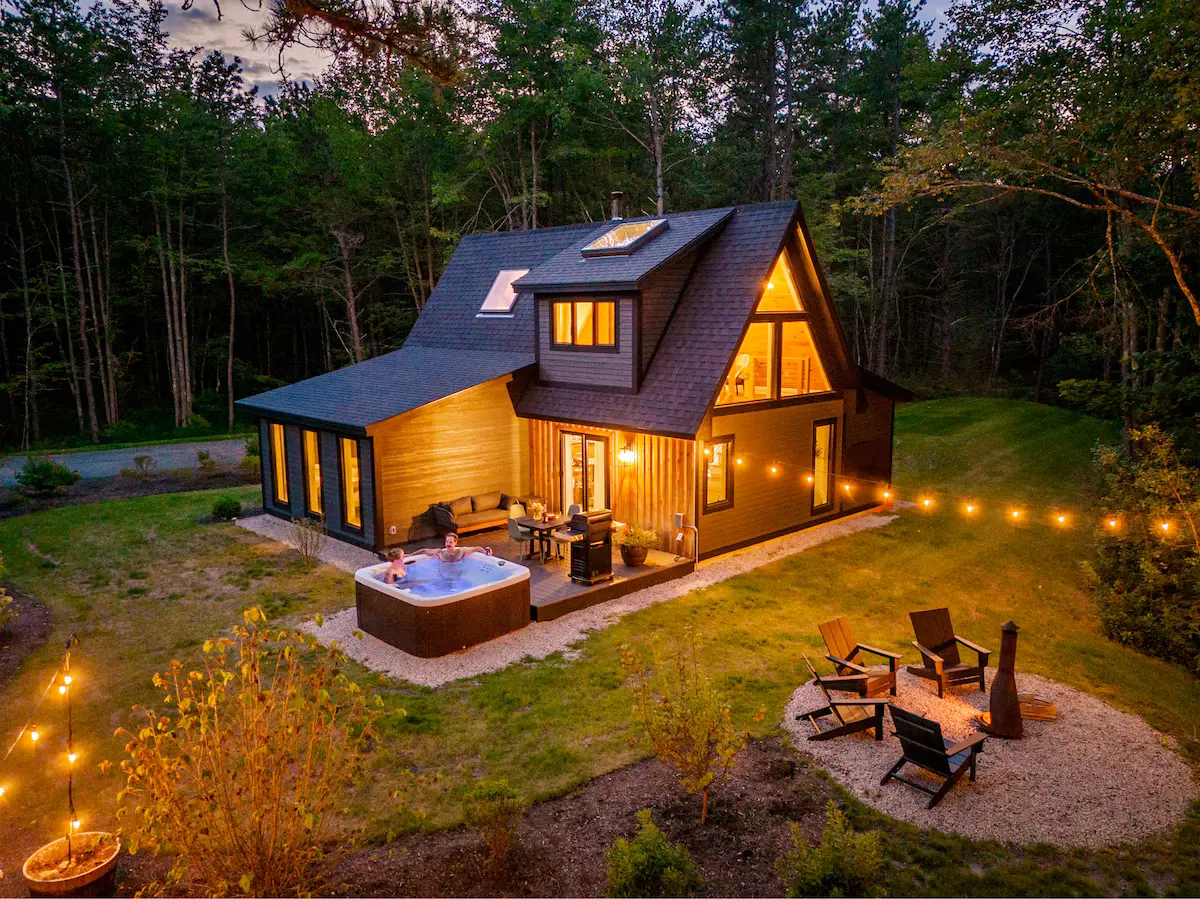
Vermont ski house short-term rental insurance needs to handle winter at full strength: snow load on the roof, ice dams, frozen pipes, wood stoves, hot tubs, and guests walking icy steps in ski boots. A policy written for short-term rental use is the base. What matters most is how that policy treats collapse, ice dam water damage, and freeze damage when the home sits empty between weekends, and what conditions it sets for heat and monitoring.
Why Ski Houses Are Different
A ski house in Killington, Stowe, the Mad River Valley, Stratton, or Jay earns most of its income from December to April. That is also when the building is under the most stress. Heavy snow sits on the roof, ice forms at the eaves, the heating system runs constantly, and the home may sit empty midweek between full weekends.
Guests add their own winter risks. They arrive late in the dark, carry gear up icy steps, light fires, soak in the hot tub, and do not know the house.
The Winter Property Risks
Snow load. Many property policies cover collapse caused by the weight of snow or ice, subject to their conditions. A roof in poor repair can complicate that. Have the roof inspected before the season, and arrange snow removal from roofs and decks after heavy storms.
Ice dams. When heat escapes through the roof, snow melts, refreezes at the cold eaves, and backs water up under the shingles. Water damage inside the home is often covered as sudden damage. Gradual leaks and the cost of removing the ice may not be. Better attic insulation and ventilation reduce ice dams.
Frozen pipes. A furnace that fails on a cold weeknight, with no guests in the house, can freeze and burst pipes before anyone notices. Many policies cover freeze damage if reasonable care was taken to maintain heat, and some limit it when the home is vacant. Remote temperature sensors, leak detectors, and a backup heat source cut the risk.
Heating fires. Wood stoves and fireplaces need professional installation and regular chimney cleaning. Insurers ask about them, and some restrict guest use. Many hosts lock the wood stove and leave guests with gas or electric heat only.
The Vermont Department of Financial Regulation homeowners insurance guide explains how property policies, valuation, and coverage forms work in the state.
The Hot Tub
A hot tub is a selling point at a ski house and a liability exposure. Guests use it at night, often after drinking, and the steps around it freeze. Fit a locking cover, post rules, keep the path clear of ice, and service the water between stays. Our post on pool and hot tub liability lists what insurers ask.
Liability: Ice, Stairs, and Gear
The most common winter injury is a fall on ice. Clear and treat walks, steps, and decks, light the path from parking to the door, and keep a record of when snow and ice were cleared. A contractor on a schedule with a logbook makes that easier.
Your liability policy covers injuries tied to your property, not injuries at the ski area. If you leave sleds, snowshoes, or other equipment for guests, ask your agent how that is treated. Our general liability coverage page covers the primary layer, and an umbrella adds limit.
Lost Bookings in Peak Season
A burst pipe in January can close the house through the best weeks of the season. Loss of rents coverage pays lost booking income while covered damage is repaired. Set the limit from peak-season income, not the annual average.
Scenario: The Midweek Freeze
A host’s ski house near Killington is booked every weekend in February and empty midweek. On a Tuesday night, the furnace igniter fails and the temperature drops below zero. A remote sensor alerts the property manager when the house falls below the set point. The manager arrives within hours, restarts the heat, and finds one frozen pipe that has not burst. Without the sensor, the house would have been found on Friday, when the guests arrived to water running through the ceiling.
Rules and Taxes
Vermont applies its meals and rooms tax to short-term rentals, and the Vermont Department of Taxes explains registration. Towns can add their own rules, and resort towns are the most active. Check before listing. Our guide to short-term rental permits by state explains how local rules layer on state ones.
Owner Use
Many Vermont ski houses are family homes rented on the weekends the family is not there. Tell your agent how often you use the home, so the policy covers both uses. Our post on insuring a vacation home rented fewer than 100 nights covers part-time rentals.
Mud Season and Summer
Vermont ski houses increasingly rent year-round, to hikers, leaf-peepers, and summer visitors. That changes the exposures. Summer brings grills, fire pits, swimming at nearby lakes and rivers, and more people on decks. Spring mud season brings runoff and the chance of water in a basement.
Tell your agent if the house rents in summer as well as winter, and check that the policy’s liability coverage applies to the outdoor features guests use in warmer months. Fire pits and grills need clear rules and safe placement away from the house.
Remote Properties and Access
Many ski houses sit on steep private roads or long driveways. Fire department response can be slower, and in a snowstorm, access may be limited. Insurers consider distance to the fire station and to a hydrant when pricing, and remote homes often cost more to insure.
Make sure the driveway is plowed and sanded for guests and for emergency vehicles. Post the full address and directions in the house, since guests may not know where they are. Monitored smoke and carbon monoxide alarms help where response takes longer.
Before the First Snow
- Inspect the roof and arrange snow removal.
- Check attic insulation and ventilation for ice dams.
- Fit temperature and leak sensors.
- Clean the chimney and decide on wood stove rules.
- Set up ice removal with a log.
- Confirm loss of rents reflects peak-season income.
Our Vermont page describes the state’s ski markets, and our cabin and mountain rental page covers how these homes are written. Similar homes in other ski towns are covered in our guides to Aspen and Jackson Hole. For a quote, request a quote or call 317-942-0549.
Frequently Asked Questions
Does short-term rental insurance cover a roof collapse from snow?
Many property policies cover collapse caused by the weight of snow or ice, subject to the policy’s terms and conditions. Wear, neglect, or a roof already in poor condition can affect the claim. Read how your policy treats collapse and keep the roof maintained.
Are ice dams covered on a Vermont rental?
Water damage inside the home from an ice dam is often covered as sudden damage, while the ice dam itself and gradual leaks may not be. Policies differ, so ask how yours treats ice dam water damage before winter.
What happens if pipes freeze while guests are away?
Freeze damage is commonly covered if reasonable care was taken to keep the heat on or the water shut off and drained. Some policies limit freeze coverage when a home is vacant. Know your policy’s conditions and monitor the temperature remotely.
Is a wood stove a problem for short-term rental insurance?
Insurers ask about wood stoves and fireplaces, and some restrict guest use. Professional installation, regular chimney cleaning, and clear instructions help. Some hosts lock wood stoves and leave only gas or electric heat for guests.
Does my liability policy cover a guest hurt skiing?
Your policy covers injuries tied to your property, such as a fall on an icy step, not injuries at the ski area. If you provide equipment such as sleds or snowshoes, ask your agent how that is treated.
Do I need to register a Vermont short-term rental?
Vermont applies its meals and rooms tax to short-term rentals, and the Vermont Department of Taxes explains registration. Towns can add their own rules. Check with the town before listing.
Can I use my ski house and rent it out too?
Yes, many owners do. Tell your agent how many nights you use the home so the policy covers both owner use and paying guests.
The Bottom Line on Vermont Ski House Insurance
A Vermont ski house is rented hardest in the months that are hardest on the building. Insure it with a policy built for short-term rental use, know how it treats snow load, ice dams, and freeze damage, and manage the wood stove, the hot tub, and the icy walk before the first booking.
Read our Vermont page and the cabin and mountain rental page, then submit a quote or call 317-942-0549.