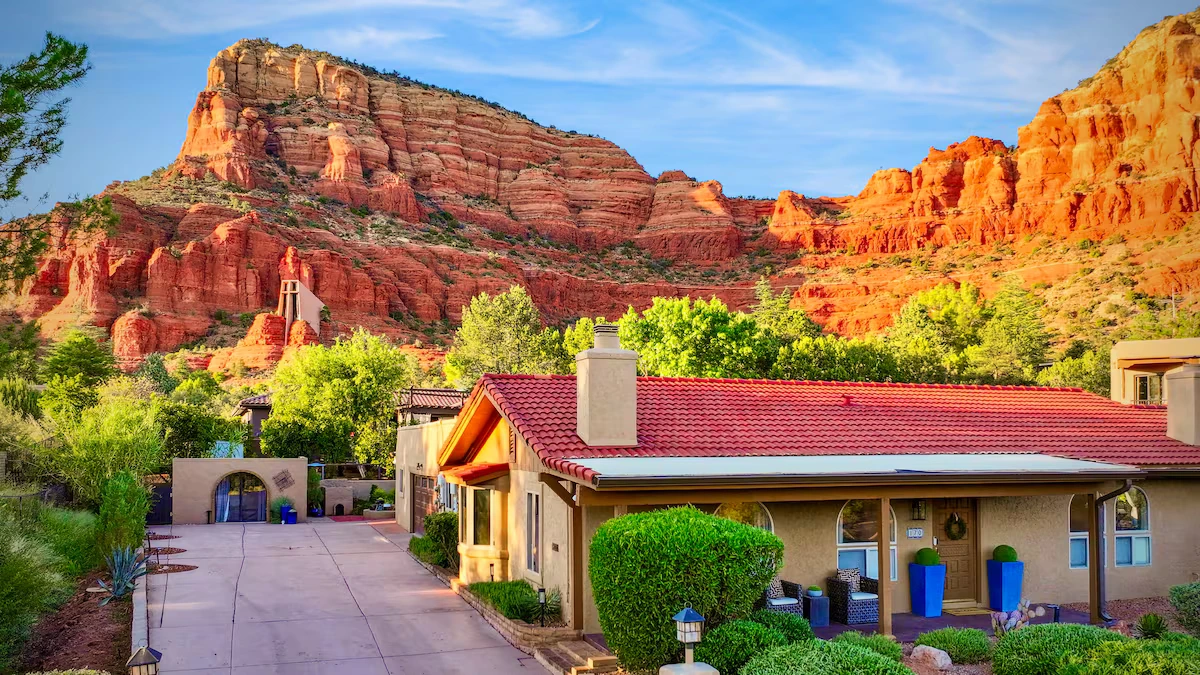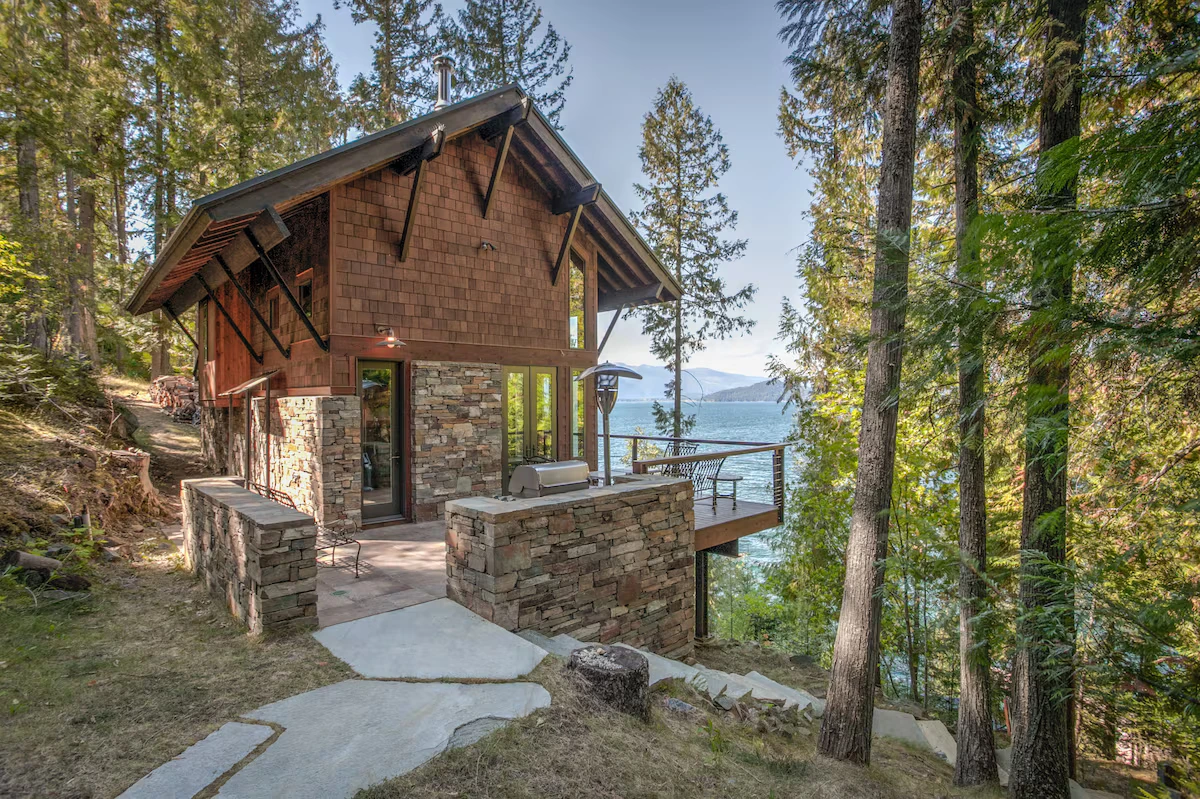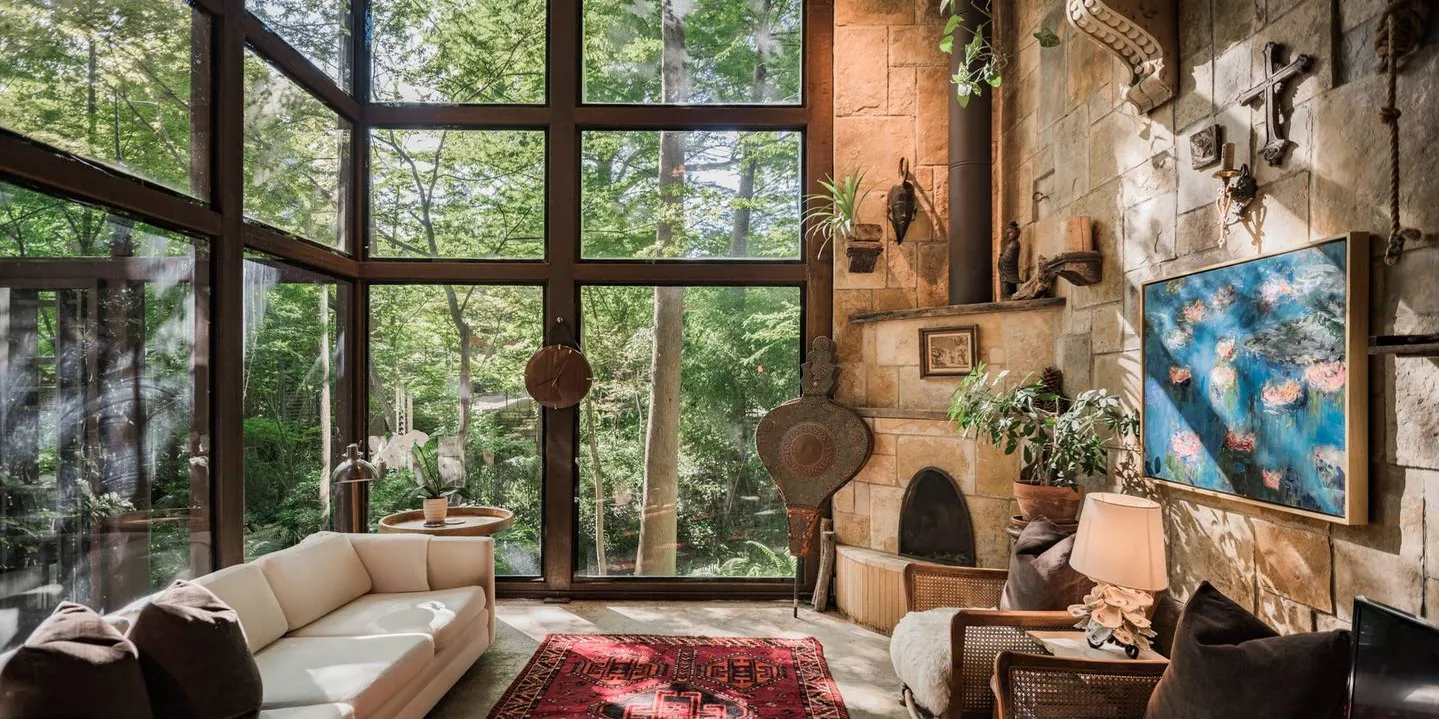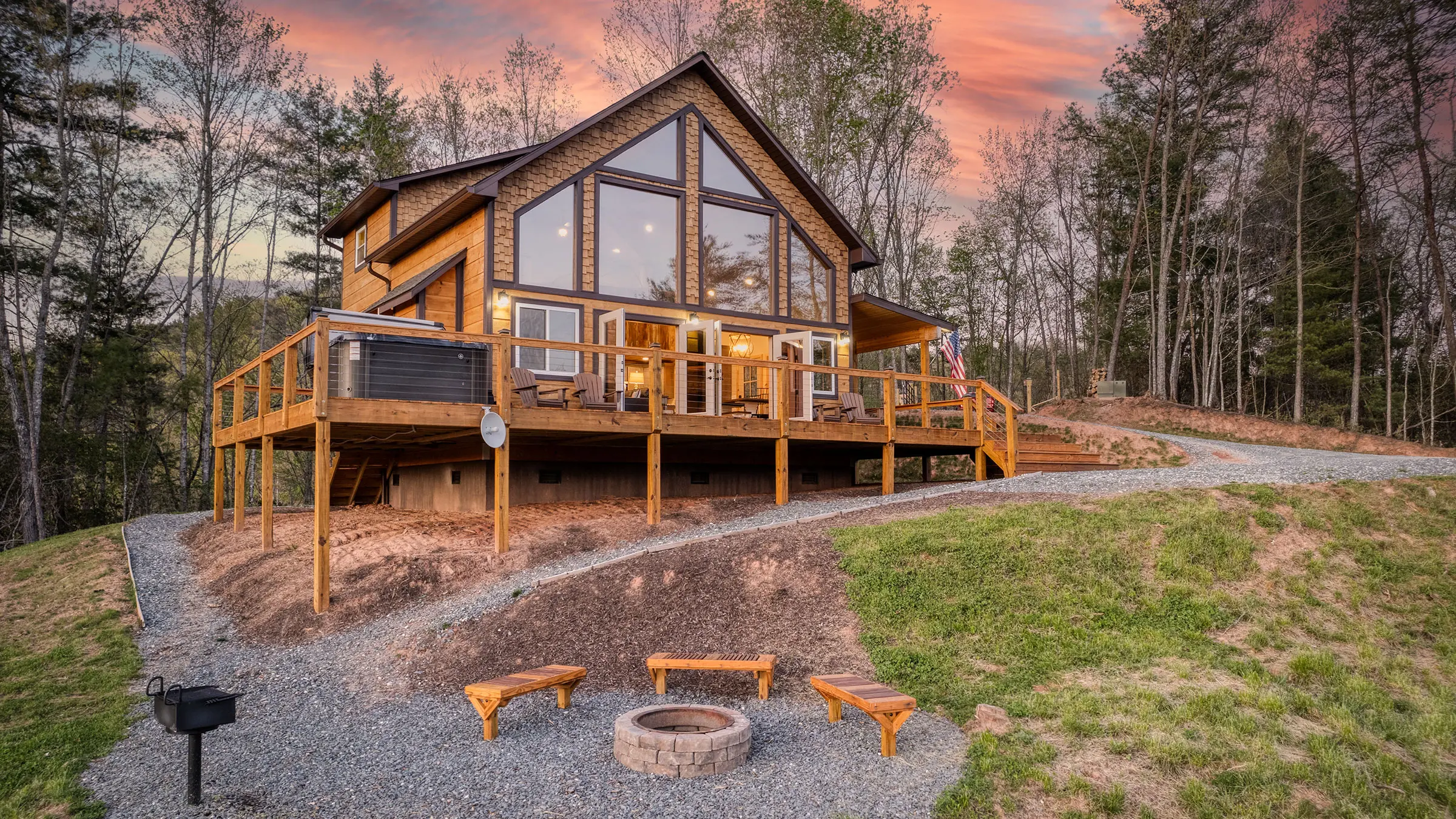
Short-term rental insurance in Jackson Hole starts with a jurisdiction question: the Town of Jackson permits short-term renting under defined conditions, while unincorporated Teton County prohibits it outside a short list of resort developments. Most hosts here need a policy written for paid guest occupancy rather than a homeowners form, which typically excludes the operation once the property is listed.
That split is not trivia. It determines whether a placement is straightforward, difficult, or impossible — and it is the first thing a specialty underwriter checks.
What Jackson Hole STR Hosts Need Beyond a Homeowners Policy
A homeowners policy assumes a family living in a house. A short-term rental hands keys to strangers on a nightly or weekly cycle, and most homeowners forms either exclude that use outright or narrow it until the coverage stops meaning anything.
The failure mode is predictable. A carrier that learns about undisclosed hosting after a loss may deny the claim, non-renew the policy, or both. Most hosts here end up with three moving parts: general liability for guest injury and third-party property damage, a property form that expects turnover rather than continuous owner occupancy, and loss of rents to replace income when a covered loss takes the unit off the calendar.
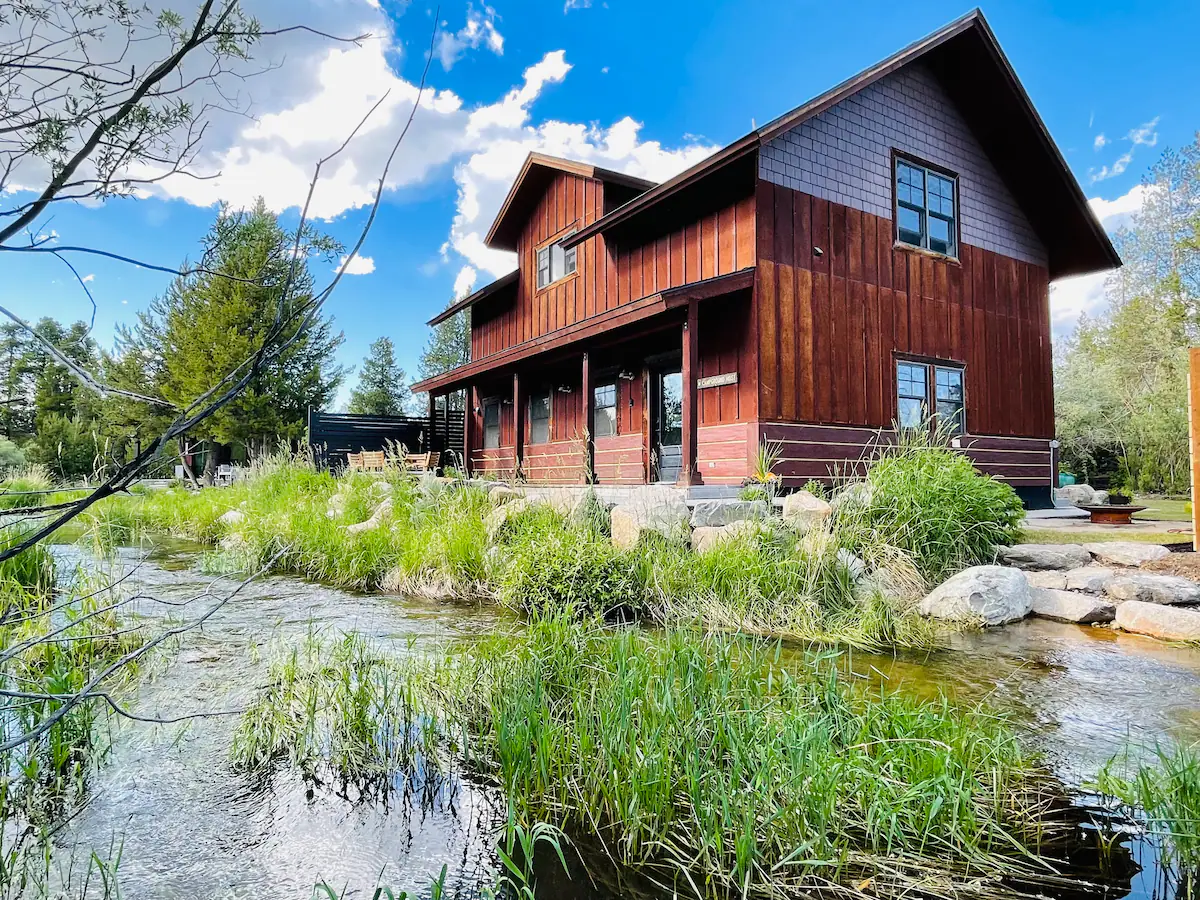
For a standalone mountain house, cabin and mountain STR coverage is usually the right starting structure. The difference between that and a landlord policy is worth understanding before you shop, and our STR versus landlord insurance breakdown walks through it.
The Town of Jackson and Teton County Regulatory Split
This is the fact that separates Jackson Hole from every other mountain market. Inside the town limits, the Town of Jackson short-term rental rules require both a business license and a Basic Use Permit, and the conditions differ by location. Inside the Lodging Overlay, the permit does not require annual renewal and neighbor notification is not required. Outside the overlay, in the residential zones the town lists, the permit renews annually with neighbor notification, and the town caps the operation at a maximum of 3 separate stays and 60 total rental nights per unit per calendar year.
Step outside the town limits and the posture reverses. Per Teton County, residential units in unincorporated Teton County may not be rented for occupancy of less than 31 days, and the county publishes a specific list of approved developments — resort areas and named condominium projects — where short-term renting is permitted. Everywhere else, it is not a permitting hurdle. It is a prohibition.
Because these rules change, treat the town and county pages as the authorities over any summary, including this one.
Why Permit Status Changes the Placement, Not Just the Paperwork
Hosts tend to file the permit under city hall and the policy under insurance. Underwriters do not draw that line. A current permit in the owner’s name is evidence that the operation is what the application says it is, in a place where it is allowed.
The reverse is where hosts get hurt. A permit that lapsed, was never obtained, or stayed in a seller’s name after a sale leaves an application that no longer describes reality — and a policy issued on an inaccurate application is a fragile policy. If your Jackson property is outside the overlay, the annual renewal is not merely a compliance chore; missing it can change your insurable status mid-term.
Snow Load, Ice Dams, and the Roof Question
Teton County winters put real structural load on a roof, and roof design is one of the most consequential underwriting inputs on a mountain property. Pitch, framing, the age of the covering, and whether snow sheds onto a walkway, a deck, or a parked vehicle all get asked about.
Ice damming is the quieter version of the same problem. Meltwater refreezes at the eave, backs up under the covering, and enters the wall and ceiling assemblies. The damage frequently shows up as interior water loss rather than roof loss, and how the form treats water that enters through the roof surface varies more than hosts expect. Because mountain repairs often trigger current code requirements the original construction never met, ordinance and law coverage belongs on the checklist rather than in the optional pile.
Freeze and Burst During a Vacant Shoulder Week
This is the loss we see most often in cold-climate short-term rentals, and it is almost always a vacancy loss rather than an occupancy one.
Many property forms restrict freeze damage when a building is vacant or unoccupied unless heat was maintained or the system was drained. Jackson Hole runs two strong seasons with genuine gaps between them, and a shoulder week with no booking, a power interruption, and a mechanical failure is the exact fact pattern the condition was written for.
Scenario: a canyon cabin between winter bookings
We worked with a host who owned a cabin on a rural road outside town, rented hard through the winter and again in summer, with quiet weeks in between. During one of those quiet weeks a supply line in an exterior wall failed while the property sat empty. Nobody was scheduled to be on site, the road had not been plowed since the last storm, and the water ran for days before a neighbor noticed.
The property form carried a vacancy condition tied to maintaining heat, and the host could not readily show what the interior temperature had been. The claim became an argument about conditions rather than a straightforward repair, and the peak booking weeks that followed were lost while the interior dried and rebuilt. Since then we set every cold-climate placement up the same way: monitored temperature, a documented winterization routine, and a written understanding of what the vacancy language actually requires.
Bear Country: Attractants, House Rules, and Guest Liability
Jackson Hole hosts carry a duty most hosts elsewhere never think about. Garbage storage, food handling, grills, and coolers are all regulated attractant issues in this valley, and guests routinely do not know that. A guest who leaves a cooler on a deck is not just risking a citation — they are creating a wildlife encounter on a property the host is responsible for.
Two coverage consequences follow. First, guest injury arising from that encounter is a premises liability question, and a group-sized property is a good candidate for an umbrella layer above the underlying limit. Second, property damage from wildlife entry is handled inconsistently across forms, and it is worth asking directly rather than assuming.
Enforceable house rules, bear-resistant storage, and a guest orientation that explains why the rules exist are the practical mitigations. Underwriters notice them.
Canyon Access, Fire Response, and Seasonal Roads
Distance to a responding fire station and the water source available to it are standard property rating inputs everywhere. In Teton County they carry unusual weight, because the answer changes with the season.
A property on a maintained road inside town is a different risk from one up a canyon where the last stretch is unplowed in winter and the response time is measured accordingly. Wildfire exposure adds a second layer in the dry months, and defensible space, roof covering, and vegetation clearance all show up in the file. Hosts who cannot answer the access question quickly should expect a slower placement.
Loss of Rents in a Two-Season Market
A covered loss in October is not the same financial event as a covered loss in December. Jackson Hole revenue concentrates in defined windows, and a repair that closes a unit through one of them removes the majority of that season’s income.
Loss of rents exists for that, but the limit needs to reflect your actual seasonal pattern rather than an even monthly average. Platform protection programs do not fill this role — they respond to a narrow set of guest-caused events, not to a fire or a burst pipe between guests.
How Jackson Hole Compares to the Rest of Wyoming
Wyoming is not one short-term rental market, and Teton County sits at the far end of it.
| Consideration | Jackson Hole valley | Cody and the Bighorn Basin | Cheyenne and Laramie |
|---|---|---|---|
| Primary regulatory gate | Town permit and overlay status, or county resort-zone eligibility | Local rules that vary by town and county | Municipal licensing with fewer zoning limits |
| Dominant liability driver | Group occupancy, wildlife attractants, winter walking surfaces | Outfitting and outdoor activity access | Standard premises exposure |
| Main property concern | Snow load, ice damming, freeze during vacancy | Wind and hail, distance to fire response | Hail and wind on conventional stock |
| Typical loss-of-rents trigger | Closure through a concentrated peak season | Loss of a short summer window | Repair displacement, spread more evenly |
For the statewide picture, see the Wyoming STR insurance cost guide and our Wyoming location page.
Getting Jackson Hole Coverage Placed
Work the sequence in order. Confirm which jurisdiction governs your parcel and what it currently allows. Get the permit or license in your own name and calendar the renewal if you are outside the overlay. Disclose the short-term rental use in writing to whoever writes the policy. Then work the physical file: roof age and design, heating and monitoring, distance to fire response, and what the vacancy language requires of you.
If the property is a standalone house rather than a mountain cabin, single-family STR coverage may fit better than the cabin form. Rules and requirements change, so treat the Wyoming Department of Insurance and the town and county pages as the authorities over any summary here. Our state-by-state STR permit and licensing guide is a useful next read, and we are happy to look at your property directly.
Frequently Asked Questions
Do I need special insurance for a short-term rental in Jackson Hole?
Typically yes. A homeowners policy is written for a house someone lives in, and most forms exclude or sharply limit the paid transient occupancy that defines a short-term rental. Jackson Hole hosts usually need a policy that pairs liability for guest injury with a dwelling form built for turnover, and that also contemplates long vacant stretches in deep winter. What the policy responds to depends on how the form is written, so read the exclusions first.
Are short-term rentals legal in Teton County, Wyoming?
It depends entirely on where the property sits. The Town of Jackson permits short-term rentals under defined conditions that differ inside and outside its Lodging Overlay. Unincorporated Teton County takes a different position and allows short-term renting only in a specific list of resort developments. Because those rules change, confirm your parcel with the town or the county directly before you list anything.
Does homeowners insurance cover an Airbnb in Jackson Hole?
Often it does not, and the gap usually surfaces at claim time rather than at purchase. Once a property is listed for paid transient stays, many carriers treat it as a business use the homeowners form was never priced for. Some will deny a claim or non-renew after learning about undisclosed hosting. Disclosing the short-term rental use in writing is what keeps the policy enforceable when you actually need it.
Does insurance cover frozen pipes in a vacant Jackson Hole rental?
Sometimes, and the conditions matter more than hosts expect. Many property forms restrict or exclude freeze damage when a building is vacant or unoccupied unless heat was maintained or the plumbing system was drained. In a market with long shoulder seasons between bookings, that condition is easy to trip. Ask specifically how your form treats vacancy and what it requires you to do during it.
How much does short-term rental insurance cost in Jackson Hole?
There is no single Jackson Hole number, and any guide quoting one is guessing. Pricing moves with construction type, roof design and age, distance to a responding fire station, whether a hot tub is on site, guest capacity, claims history, and how much of the year the property is rented. A townhome near the square and a canyon cabin can price very differently. Quote your actual property.
Do I need extra liability coverage for a bear-country short-term rental?
It is worth pricing. Wildlife attractant rules put a duty on the host to secure garbage and food storage, and guests who ignore the house rules create exposure the host may still answer for. Liability coverage typically responds to bodily injury claims arising from the premises, and an umbrella layer above the underlying limit is a common addition on properties that sleep larger groups.
The Bottom Line on Jackson Hole STR Insurance
Jackson Hole is two regulatory markets sharing one valley. The Town of Jackson has built a path to permitted short-term renting with different conditions inside and outside its Lodging Overlay, while unincorporated Teton County allows the use only in a short list of named resort developments. Which side of that line your parcel falls on is the first thing an underwriter resolves, because eligibility for the use sits upstream of eligibility for the policy.
The physical exposures follow a second logic entirely. Snow load, ice damming, freeze and burst during a vacant shoulder week, wildlife attractant duties, and canyon road access all change how a form should be written and what conditions it attaches. Confirm the current rules with the town or the county, disclose the hosting to whoever writes the policy, and check the vacancy language before winter rather than after. The Wyoming STR insurance cost guide covers the statewide picture, and we are glad to look at a specific property through the quote form.