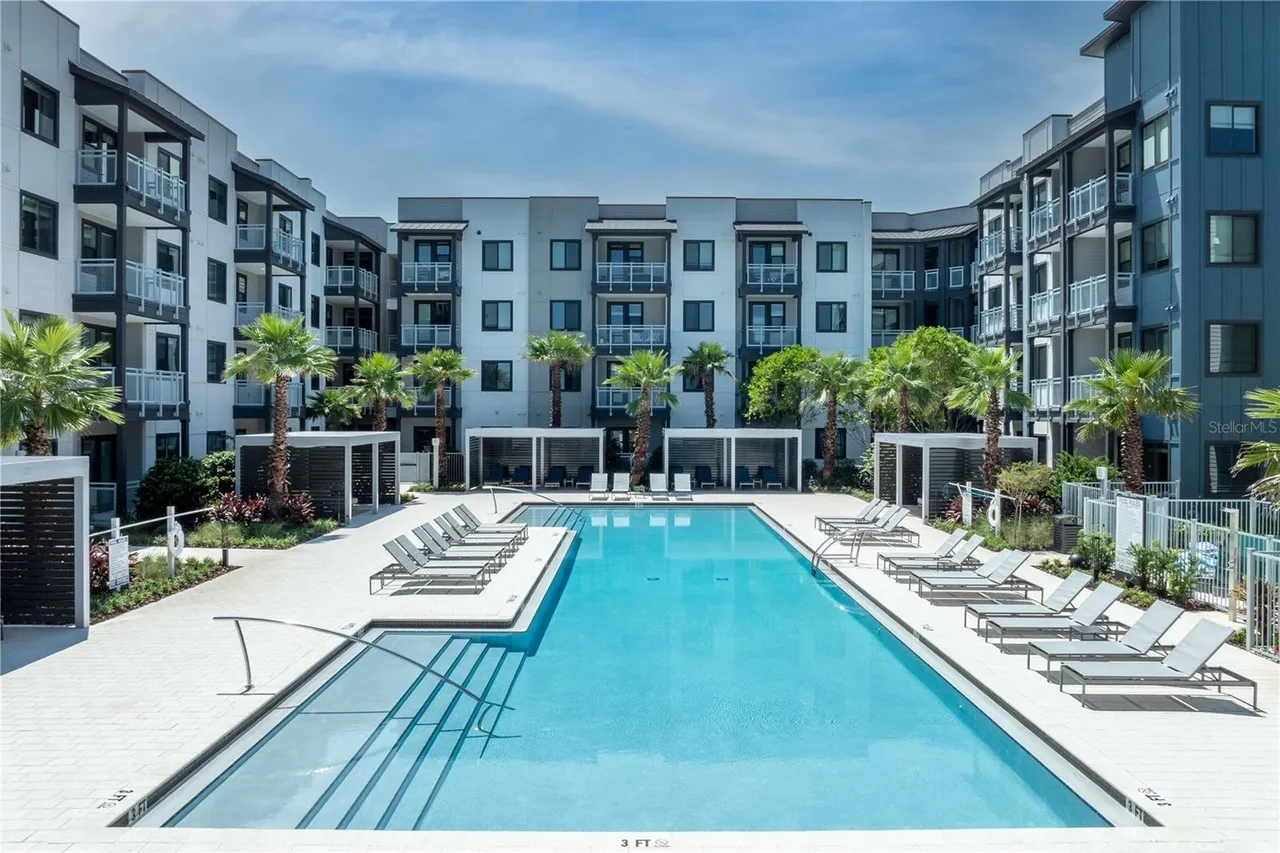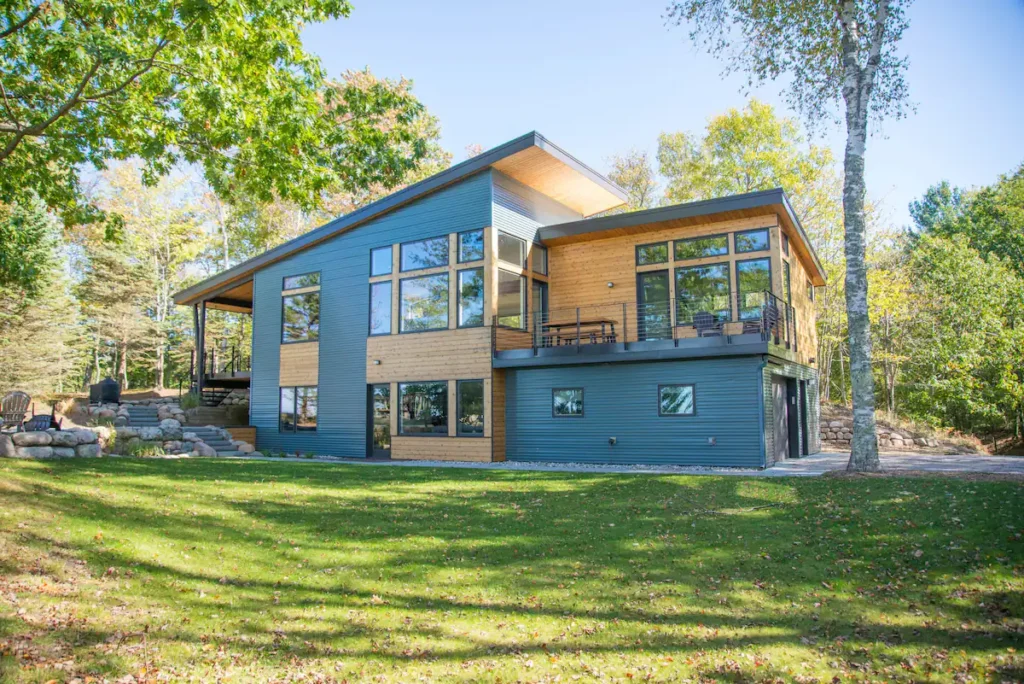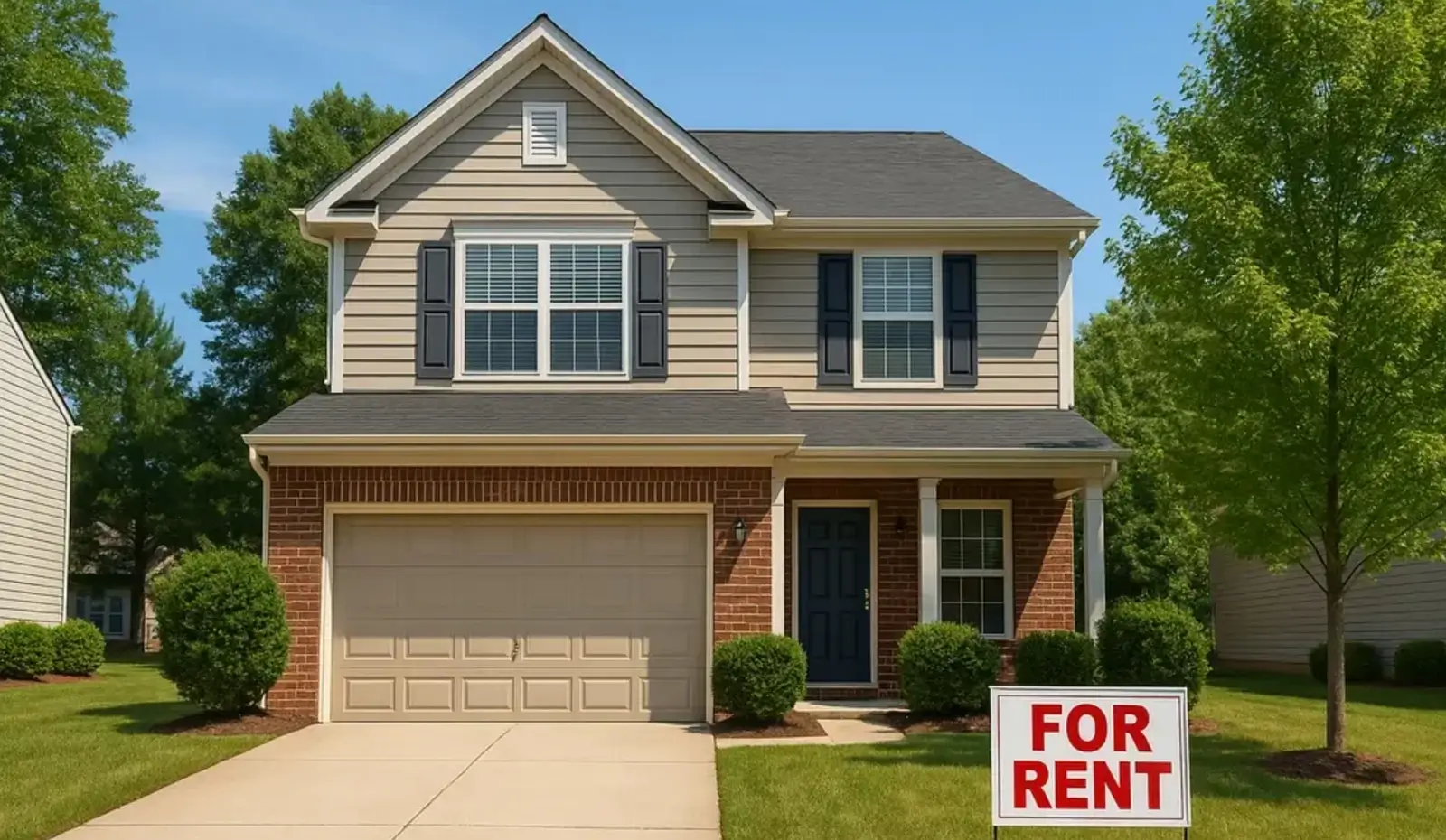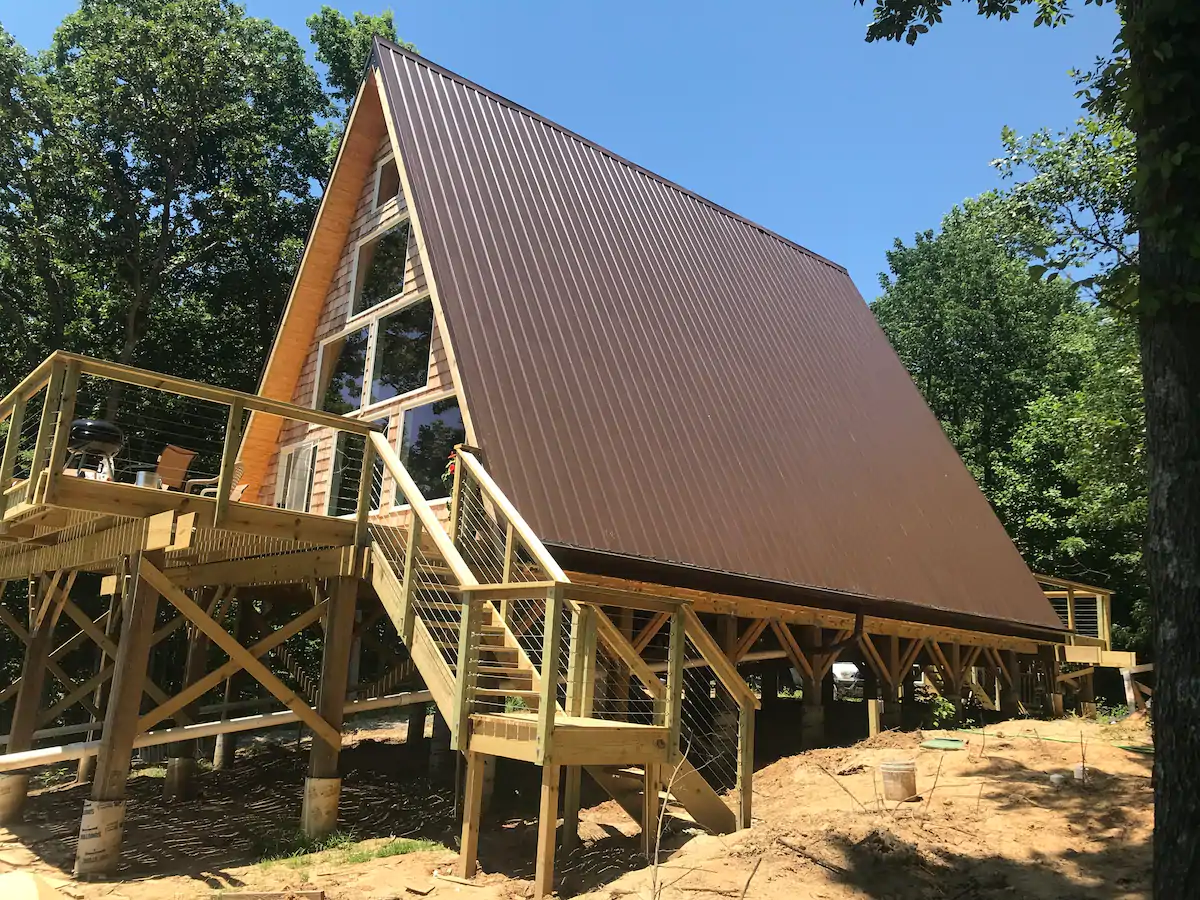
If you host in a unit you lease, you need three things your current policies almost certainly do not give you: liability coverage written for paying guests, coverage for the furnishings you own, and protection for damage to the landlord’s building that you are responsible for. A renters policy is written for someone living in the unit, and the landlord’s policy protects the landlord. Neither is built for a hosting business run from a leased apartment or house.
Who Insures What in an Arbitrage Unit
Rental arbitrage puts three parties around one unit, and each has a different stake.
The owner has the building. The owner’s policy insures the structure and the owner’s own liability. Triple-I, describing rented homes in general, notes that a landlord’s policy will not replace a tenant’s personal possessions (Triple-I, Renters Insurance).
The operator, which is you, has a lease, a set of furnishings, and a business. None of that is the owner’s to insure.
The guest has a short stay and may or may not have any coverage of their own.
Why a Renters Policy Is Not Enough
A renters policy covers a resident’s possessions, the resident’s personal liability, and additional living expenses if the unit becomes unlivable. It assumes you live there.
Arbitrage changes the use. Triple-I’s guidance on renting out a home says that some insurers allow an occasional short-term rental by a homeowners or renters policyholder if the company is told, that others require an endorsement, and that renting to guests on a regular basis is a business that standard home policies do not cover (Triple-I, Coverage for renting out your home). The National Association of Insurance Commissioners makes the related point that most home policies are not designed for accidents arising from short-term rentals (NAIC on home-sharing rentals).
An arbitrage unit is the clearest case of regular business use there is. You do not live in it, and every night is sold. A renters policy bought for that unit is being asked to cover something it was never priced for, and the time you find that out is after a claim.
The Three Coverages an Operator Needs
Liability for paying guests. A guest who is hurt in the unit will look to whoever ran the stay. You need general liability written for short-term rental operations, so that guest injuries and damage to other people’s property are covered and a lawyer is provided when a claim comes in. Our general liability guide for hosts explains the form.
Your furnishings. The beds, sofas, televisions, kitchenware, and linens are yours, and in an arbitrage unit they are most of what you have invested. They need contents coverage under a policy that knows they sit in a rental used by guests.
Damage to the landlord’s property. This is the coverage operators most often miss. If a fire that starts in your unit damages the building, the owner’s insurer may pay the owner and then pursue you for it. A general liability policy handles damage to a space you rent through a separate limit, usually labeled damage to premises rented to you. On the standard form that limit is narrower than the main liability limit and is mainly concerned with fire. Ask your agent how your policy treats damage to the unit itself, and whether the limit is in proportion to the building you are in.
Many operators add a fourth: income. If the unit is closed after a covered loss, the bookings stop, and the lease may still require rent. Business income coverage for the operator addresses the lost bookings. The owner’s loss of rents coverage, if there is any, belongs to the owner.
What the Lease Will Ask For
The lease is where arbitrage insurance starts, for two reasons.
First, it has to allow what you are doing. Most leases restrict subletting, and an insurer writing a hosting policy will ask whether the owner has agreed to short-term rental use. A written addendum that permits it is the document to have. Cities that license short-term rentals often want the owner’s consent as part of the permit, which our state-by-state permit guide covers.
Second, a lease that permits arbitrage usually carries insurance terms. The common ones are these.
| Lease term | What it means for you |
|---|---|
| Liability insurance at a stated limit | You must carry your own policy and keep it in force |
| Owner named as additional insured | Your policy also protects the owner for claims from your operations |
| Certificate of insurance | You give the owner proof of coverage, and again at each renewal |
| Waiver of subrogation | Your insurer agrees not to pursue the owner after paying a claim |
| Indemnity clause | You agree to answer for claims arising from your guests |
Read these before you sign, and send the lease to your agent. A policy can usually be set up to meet them, but only if they are known before it is issued. An indemnity clause in particular can reach further than the policy does.
What a Platform Program Does Not Settle
Operators sometimes plan to lean on the booking platform’s host protection. Those programs are tied to bookings made on that platform, they have their own terms, and they are not a policy you hold. An owner who requires insurance in the lease will want a certificate from an insurer, with the owner named on it, and a platform program does not produce one. Our posts on whether AirCover is worth it and on damage protection versus insurance explain where the platform layer ends.
Direct bookings make the point sharper. A stay booked on your own site has no platform program behind it at all.
Scenario: A Kitchen Fire in a Leased Apartment
An operator leases a two-bedroom apartment in a mid-rise building with the owner’s written consent and furnishes it for nightly stays. The operator keeps the renters policy that came with the lease application and adds nothing else. A guest leaves a pan on the stove, and the fire damages the kitchen, the unit below, and the hallway. The building owner’s insurer pays for the building and then looks to the operator. The renters insurer reviews the claim and asks how the unit was being used. The operator’s furnishings, the guest’s complaint, and the demand from the owner’s insurer are all open at once, and the policy in hand was written for a resident. The gap was never the fire. It was the use of the unit.
Building in Stages and Adding Units
Arbitrage tends to grow by the unit, and the insurance should be set up to grow with it.
One or two units can be written individually. Past that, operators are usually better served by a single program with a schedule of locations, so that each new lease is added by endorsement and each owner can be issued a certificate. Our pages on multi-unit and portfolio short-term rental insurance describe how those programs are structured, and the condo page covers units in buildings with an association policy.
Location matters as well. City rules on non-owner hosting vary widely, and some cities restrict it heavily. State pages such as Illinois and Texas are a starting point for the local picture, and the permit should be settled before the insurance is.
What to Do Before You Sign the Next Lease
- Get the owner’s consent in writing, in the lease or an addendum.
- Read the insurance clause and send it to your agent before you sign.
- Confirm the local permit rules for hosting in a unit you do not own.
- Buy liability, contents, and premises damage coverage written for short-term rental use, with the owner named as the lease requires.
- Keep an inventory of the furnishings with dated photos for each unit.
If you have a lease in front of you now, request a quote and attach it. We will read the insurance clause and show you what a policy has to include to meet it.
Frequently Asked Questions
What insurance do I need for short-term rental arbitrage?
You need liability coverage written for hosting paying guests, coverage for the furnishings you own, and protection for damage you are legally responsible for in the landlord’s building. Many operators also insure the income lost when a unit cannot be rented. Most leases add their own insurance requirements on top.
Does renters insurance cover Airbnb hosting?
Often it does not. A renters policy is written for a person living in the unit, and Triple-I notes that home policies do not cover business activity and that some insurers allow occasional rentals only with notice or an endorsement. Regular hosting in a leased unit needs a policy written for that use.
Does my landlord’s insurance cover my arbitrage unit?
It covers the landlord. A landlord’s policy insures the building and the landlord’s liability, and Triple-I notes that it does not replace a tenant’s belongings. It does not cover your furnishings, your guests’ claims against you, or your lost bookings.
Do I need my landlord’s permission for rental arbitrage?
Yes, in practice. Most leases restrict subletting, and an insurer will ask whether the owner has agreed to short-term rental use. Get the permission in writing, in the lease or an addendum, and check the local permit rules, which can require the owner’s consent as well.
What is damage to premises rented to you?
It is a limit on a general liability policy for damage you are legally liable for in a space you rent. On the standard form it is a separate and narrower limit than the main liability limit, and it is mainly concerned with fire damage. Ask how your policy treats damage to the unit you lease.
Does AirCover cover a host who rents the property?
Airbnb’s program is tied to bookings on its platform and has its own terms and exclusions. It is not a policy you control, and it does not satisfy a lease that requires you to carry your own insurance. Treat it as a platform layer and insure the business separately.
Can one policy cover several arbitrage units?
Often, yes. Operators with several leased units are commonly written on a schedule that lists each address under one program. The insurer will want the lease and the owner’s consent for each unit, and each landlord may still need its own certificate.
The Bottom Line on Rental Arbitrage Insurance
When you host in a unit you lease, two policies already exist around you and neither is written for your business. The landlord’s policy covers the building for the landlord. A renters policy covers a resident. An arbitrage operator needs liability written for paying guests, coverage for the furnishings, and an answer for damage to the landlord’s property.
Start with the lease, because it sets the insurance you are required to carry. Then read the general liability coverage page and submit a quote or call 317-942-0549 with the lease in hand.