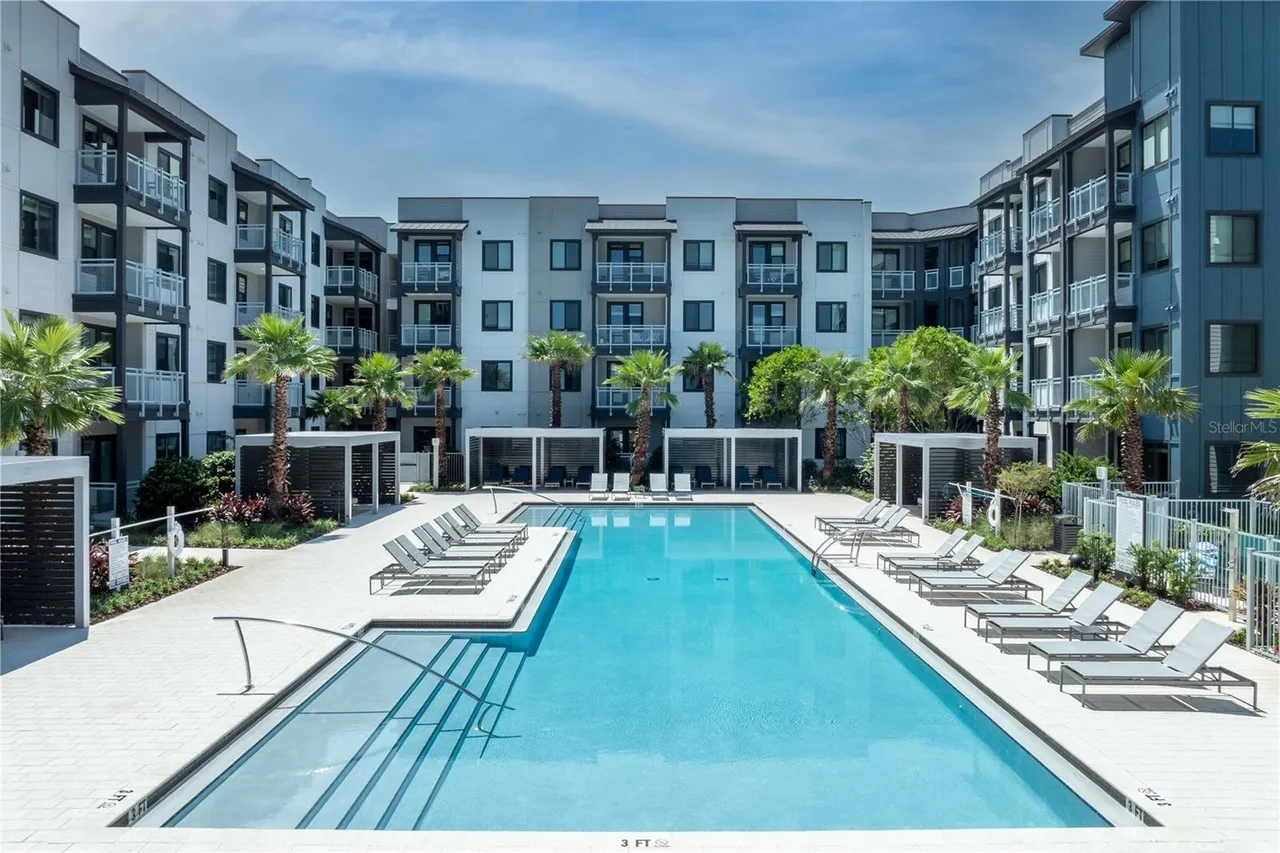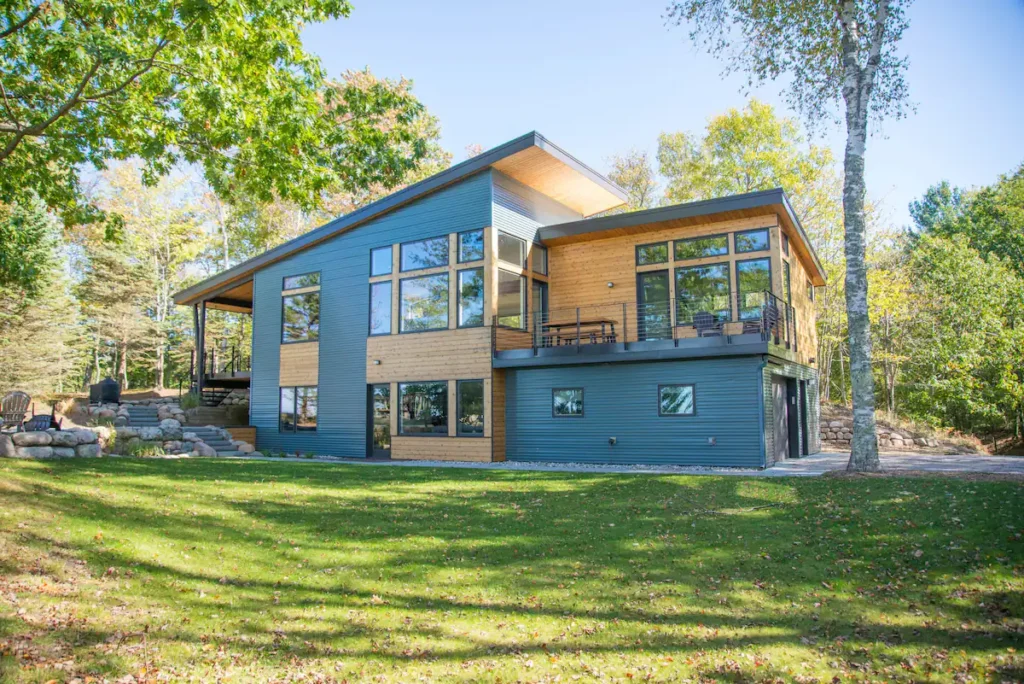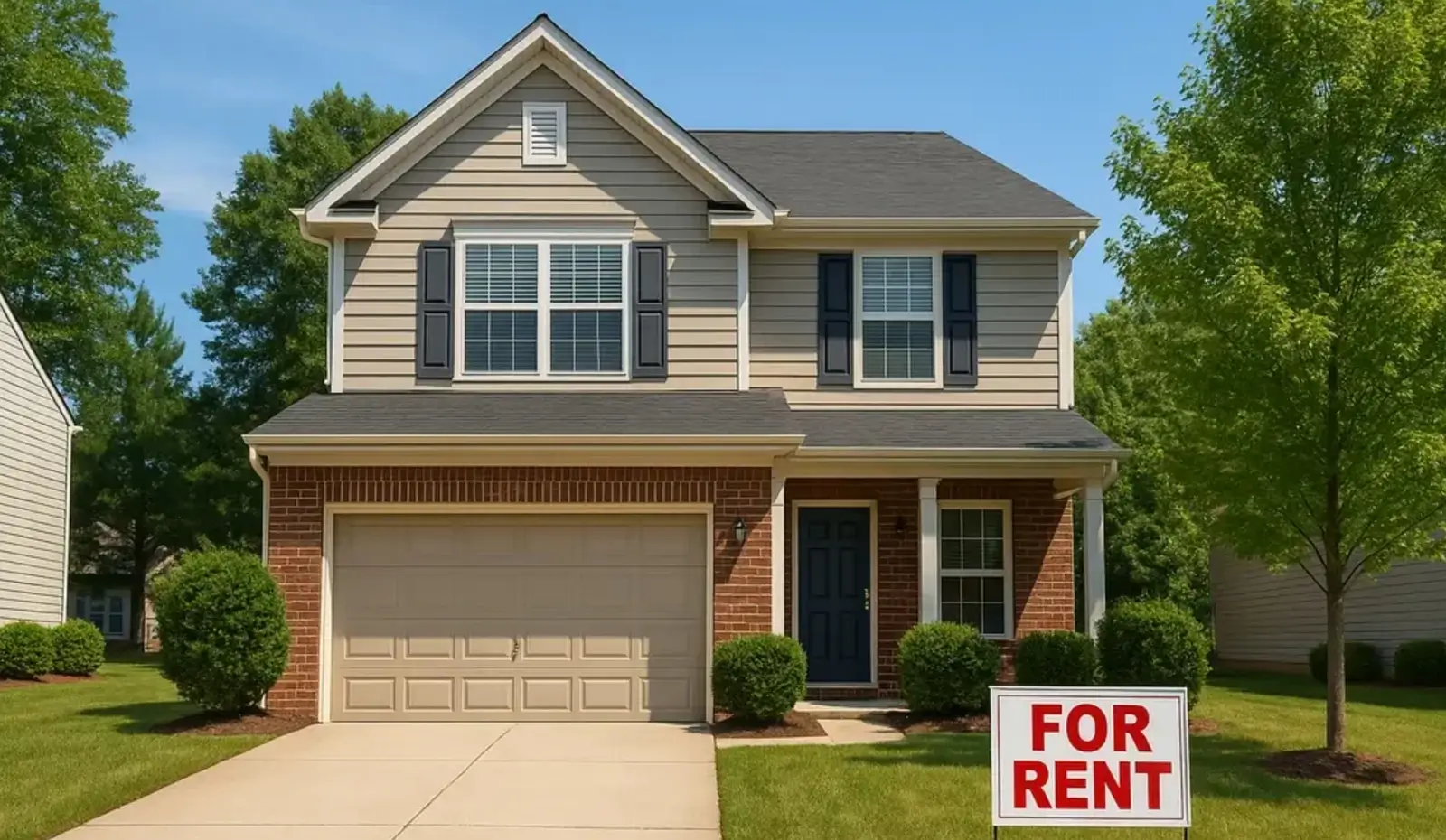
A duplex with a long-term tenant on one side and a short-term rental on the other is a mixed-occupancy building, and it is insured as one structure with two different risks. The units share walls, a roof, and often systems, so a loss in one reaches the other. The two kinds of occupant carry different liability and income exposures, so the policy has to be written for both. The insurer needs to be told how each unit is used.
Why a Duplex Is Harder Than Two Houses
Two separate houses have separate losses. A duplex does not. A kitchen fire in the nightly unit can damage the tenant’s home next door, and a water leak from the long-term side can reach the unit guests have booked. The building is one risk, and insurers rate it as one, which is why the occupancy of each side matters to the premium and to whether the building is accepted at all.
Triple-I says in its article on coverage for renting out your home that, depending on the rental scenario, a standard homeowners policy may not cover losses incurred while the home is rented out, and that regular short-term rental of a primary residence would constitute a business. It also says that a landlord or rental dwelling policy is likely needed for long-term rentals. A duplex that does both has to satisfy both statements at once. The National Association of Insurance Commissioners (NAIC) adds that a home used as a rental in a way the policy did not expect can lead an insurer to deny coverage.
Long-Term Side vs. Short-Term Side
The table shows how the same building asks different questions of each half.
| Question | Long-term side | Nightly side |
|---|---|---|
| Who occupies it? | One household on a lease | A rotating series of guests |
| What liability exposure is typical? | A tenant’s claim, usually a premises claim | A transient guest’s injury claim, often with amenities in play |
| What income is at stake? | Monthly lease rent | Nightly booking income that varies by season |
| How does income coverage work? | Fair rental value on a lease | Loss of rents written for bookings |
| Who insures the contents? | The tenant insures their own; you insure what you supply | You insure the furnishings, linens, and appliances you provide |
| What does the insurer ask? | Lease terms and tenant screening | Guest capacity, amenities, platforms, and permits |
| Where does a dwelling policy stop? | At the tenant’s belongings and any business use | At guest liability and income that moves with bookings |
For the long-term side, our STR vs. landlord insurance comparison explains the gap from the other direction: why the landlord form is the wrong product for the nightly side.
One Policy or Two?
There are three common placements. None is best for every building.
- One policy for the whole building. An insurer that accepts both uses writes the structure, liability, and income together. This is simplest when the insurer knows the mixed use and prices it.
- A dwelling form plus a short-term rental program. The structure sits on a dwelling form, and the nightly unit’s liability and income are placed through a program built for it. The danger is a gap where the two policies meet, so confirm in writing how they coordinate.
- Separate policies for each unit. Uncommon in a true duplex because the units share one structure, but possible when ownership is split, as in a condo-style duplex.
The form underneath matters too. Our posts on DP3 vs. DP1 and on DP3 vs. commercial habitational explain which structures each form fits. The deciding facts are how many units are rented nightly, who lives in the building, and what the insurer will accept.
What the Insurer Will Ask About a Mixed Building
Expect more questions than on a single house, and answer them completely. The application is where a mixed-occupancy building either gets described correctly or becomes a coverage dispute later.
- Which unit is nightly, and which is leased? If both are or may be, say so.
- How many guests can the nightly unit sleep, and what amenities does it have? A hot tub or fire pit on the shared lot is a liability fact for the whole building.
- What are the platforms and the booking volume? Insurers differ on how much nightly use they accept in a building with a long-term tenant.
- What separates the units? Shared walls, shared utilities, and a shared roof and attic are the ways a loss crosses from one side to the other.
- Is there a permit for the short-term rental? An unpermitted unit is a harder placement.
- Who lives in the building? The owner’s occupancy, if any, changes which forms are open.
Gather these before you ask for a quote. A clear description gets you a policy written for the building you have, and a vague one gets you a policy written for a building you do not.
When the Owner Lives on One Side
Many duplexes are owner-occupied: the owner lives in one half and rents the other, either by lease or by the night. That changes the underwriting. The insurer asks which unit you occupy, and an owner-occupied building with a nightly unit is written differently from a fully rented one. Our owner-occupied STR insurance page covers how we place those buildings.
The same point holds with a twist. The owner’s own belongings and the owner’s own liability now share the building with guests. Tell the insurer exactly which unit is yours and what use the other unit gets, because a mismatch between the application and the building is the most common reason a claim turns into a dispute.
Checks Outside the Policy
Insurance is one of three things to check before you convert a side to nightly rental.
- The lease. Read the long-term tenant’s lease for use limits, noise, and shared-space terms. A lease can restrict what the landlord does in the building.
- Local rules. Many cities require a permit for a short-term rental, and some limit them in multi-unit buildings or require the owner to live on site. Our permit and licensing guide by state is the place to start.
- The mortgage. A lender may restrict the use of the property, so read the loan terms.
None of these is an insurance question, and an insurer will not settle them. They affect whether the use is allowed, and an unpermitted use is a harder placement everywhere.
Scenario: A Duplex With a Leak Upstairs
An owner rents the ground-floor unit of a duplex on a long-term lease and lists the upstairs unit nightly. A guest leaves a bathtub running, and water comes through the ceiling into the tenant’s living room. The tenant’s belongings are damaged, and the tenant has to move out for the repair. The owner’s dwelling policy responds to the building damage. The tenant’s belongings are a liability question for the owner if the guest or the owner was at fault, and the tenant’s own renters policy responds for the tenant. The nightly unit’s lost bookings and the tenant’s lost rent are two separate income questions. The owner had one policy for one building. The loss touched two uses.
A last point on timing. If you plan to convert a side to nightly use later, tell the insurer now what the plan is, or ask what it needs when the change happens. Policies are written for the use described at inception, and a conversion that is never reported is the most common way a mixed building ends up uninsured for the use it has.
A Duplex Checklist
- Tell the insurer how each unit is used and who lives in the building.
- Confirm the property form accepts both long-term and nightly use.
- Ask how liability is written for tenants and for transient guests.
- Ask how income is calculated for each side, and how long it pays.
- Confirm the tenant carries renters insurance and say in writing that your policy does not cover their belongings.
- Check the lease, local permit rules, and the mortgage before converting a unit.
- Ask what the insurer needs if you add a unit to nightly rental later.
For a duplex or other small building, our multi-unit STR insurance page shows how we approach the placement, and our short-term rental insurance explainer covers the program in plain terms. To place a specific building, request a quote with the address, how each unit is used, and whether you live on site.
Frequently Asked Questions
How do I insure a duplex if one side is an Airbnb?
The building is a mixed-occupancy property, with a long-term tenant on one side and nightly guests on the other. It needs a property form that the insurer accepts for both uses, liability that fits tenants and transient guests, and income coverage for each side. Tell the insurer how each unit is used before the policy is issued.
Can I use a landlord policy on a duplex with a short-term rental unit?
Not safely. A landlord policy assumes long-term tenants on leases, and the National Association of Insurance Commissioners notes that an insurer may deny coverage when a home is used as a rental in a way the policy did not expect. A nightly unit changes the use, so the policy has to be written for it.
Do I need two policies for a duplex with mixed use?
Not necessarily. Some insurers write one policy for the whole building that addresses both uses, and others place the units separately or combine a dwelling form with a separate short-term rental program. The right structure depends on the building, who lives there, and the insurers that accept the use.
Does a fire in one unit affect the other side of a duplex?
It can, because the units share walls, a roof, and often systems. A loss that starts in the nightly unit can damage the long-term tenant’s home and belongings, and the reverse is true as well. That shared structure is the main reason a duplex is underwritten as one building.
What if I live in one side of the duplex and rent the other nightly?
That is an owner-occupied building with a short-term rental unit, and it is underwritten differently from a fully rented one. The insurer will ask which unit you occupy and how the other is used. Tell the insurer plainly, since your own occupancy affects which forms are available.
Does loss of rents cover both sides of a duplex?
Only if it is written to. Loss of rents pays income while a covered loss keeps a unit unrentable, and the policy needs to reflect the lease income on one side and the booking income on the other. Ask how each is calculated and how long it pays.
Can my long-term tenant object to a short-term rental next door?
A tenant may have rights under the lease and local law, and a lease can limit what you do in the building. Check the lease terms and your local rules before you convert a unit, and talk to a local attorney if the lease is unclear. Insurance does not settle that question.
The Bottom Line on Duplex Short-Term Rental Insurance
A duplex with one long-term side and one nightly side is a single building with two different risks. The shared structure means one loss can reach both units, and the two kinds of occupant carry different liability and income exposures.
Insure the building for how it is actually used, tell the insurer about each unit, and ask how income and liability are handled on each side. Start with our multi-unit STR insurance page, then submit a quote or call 317-942-0549.