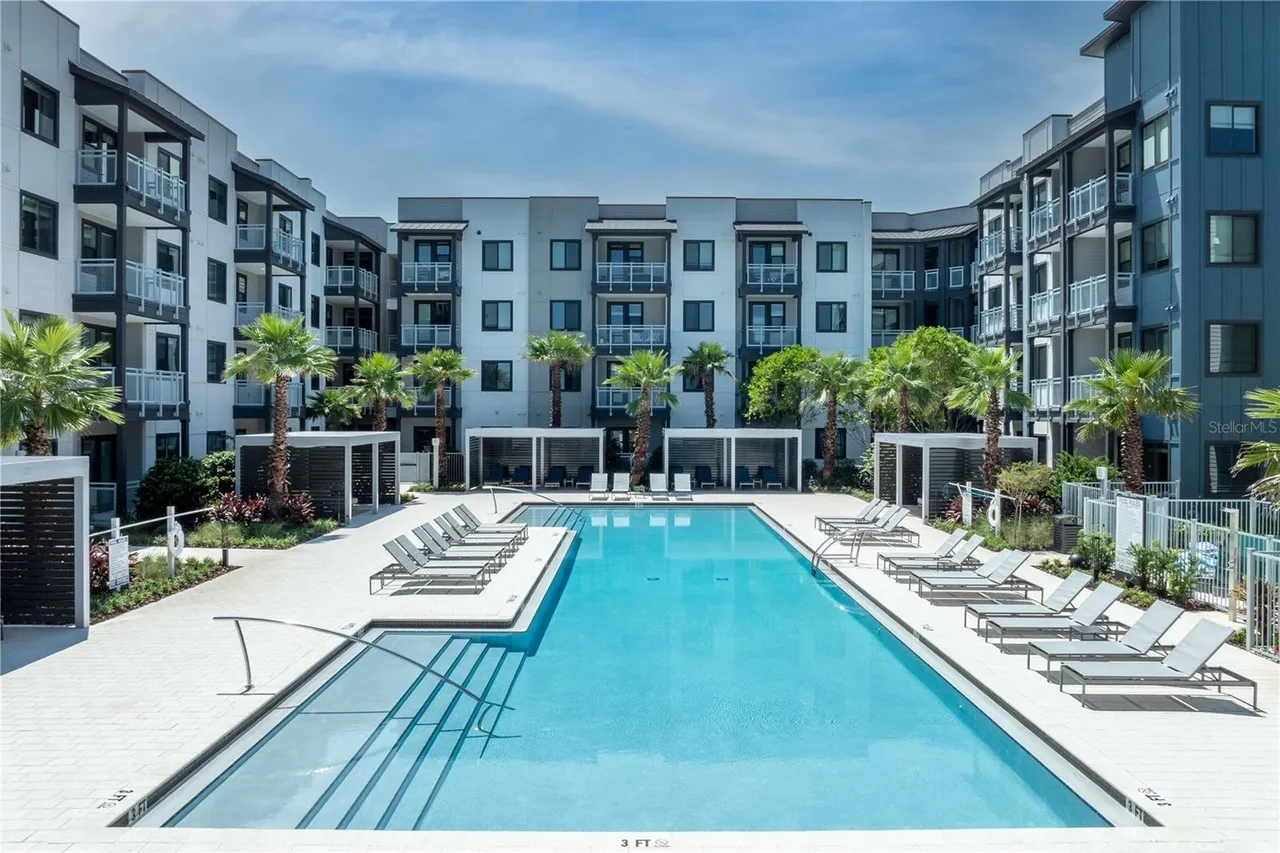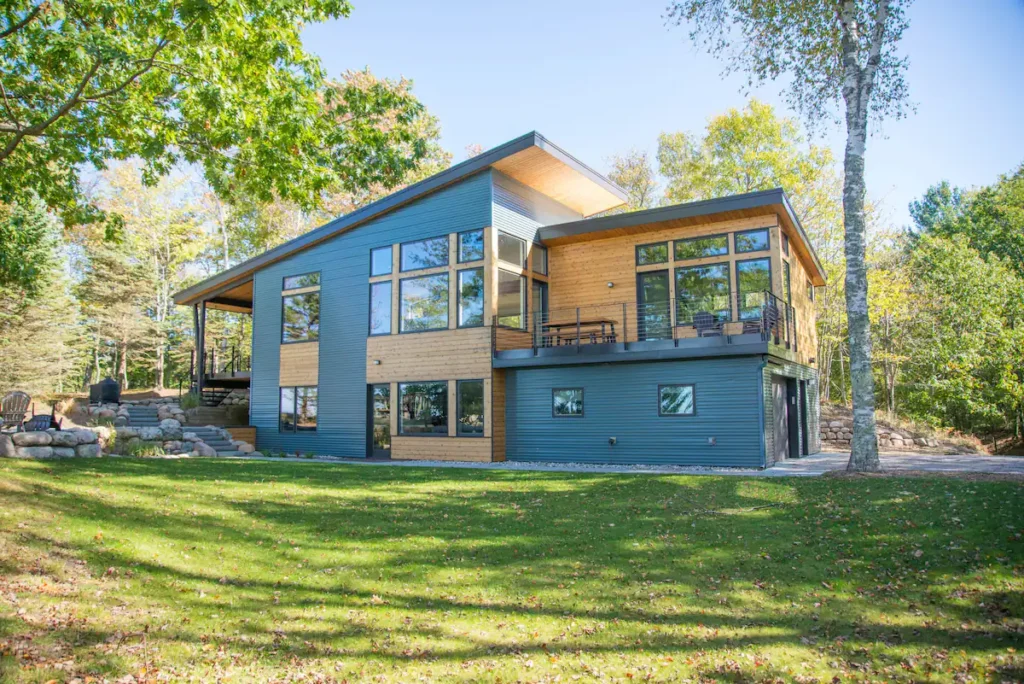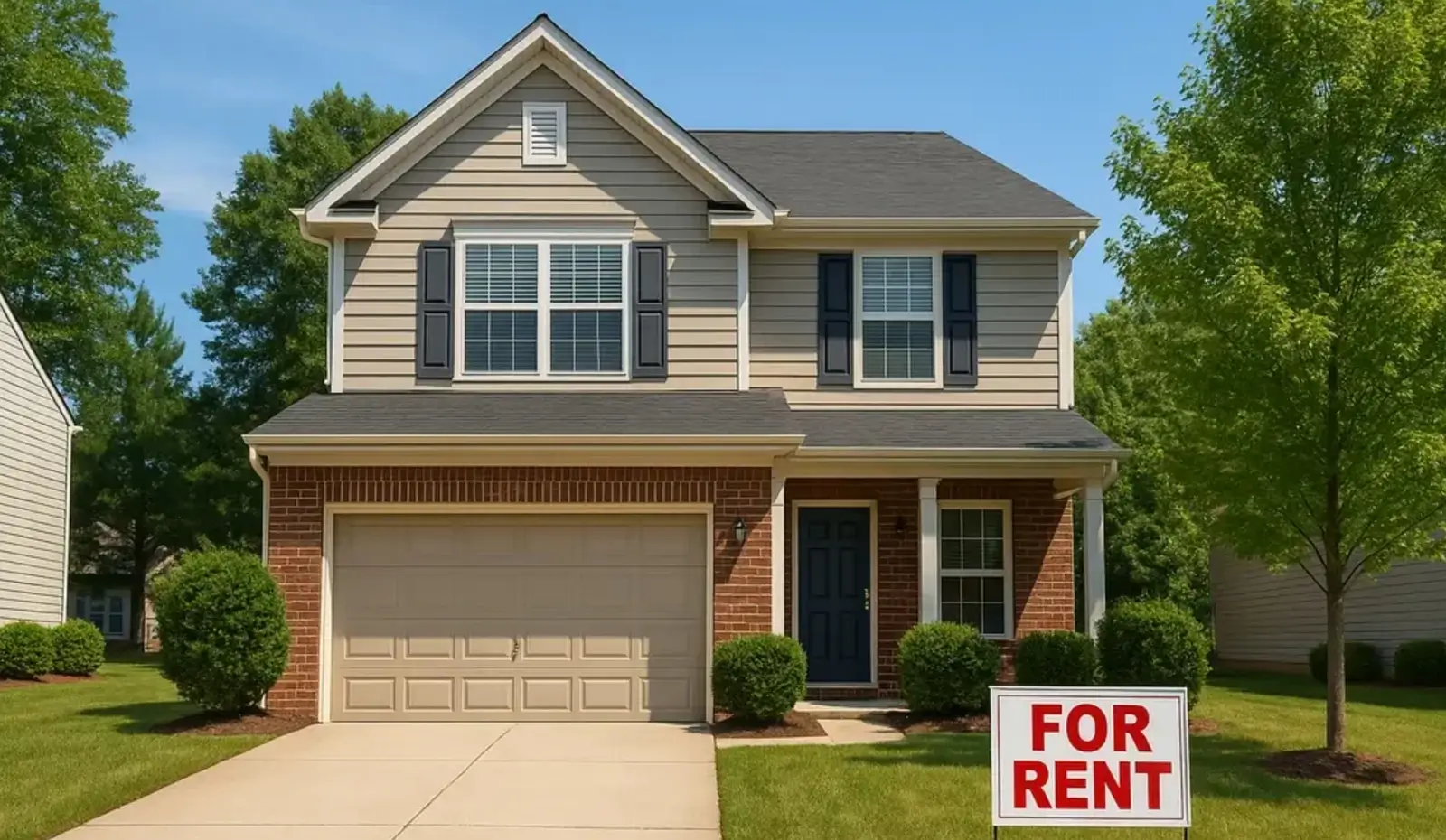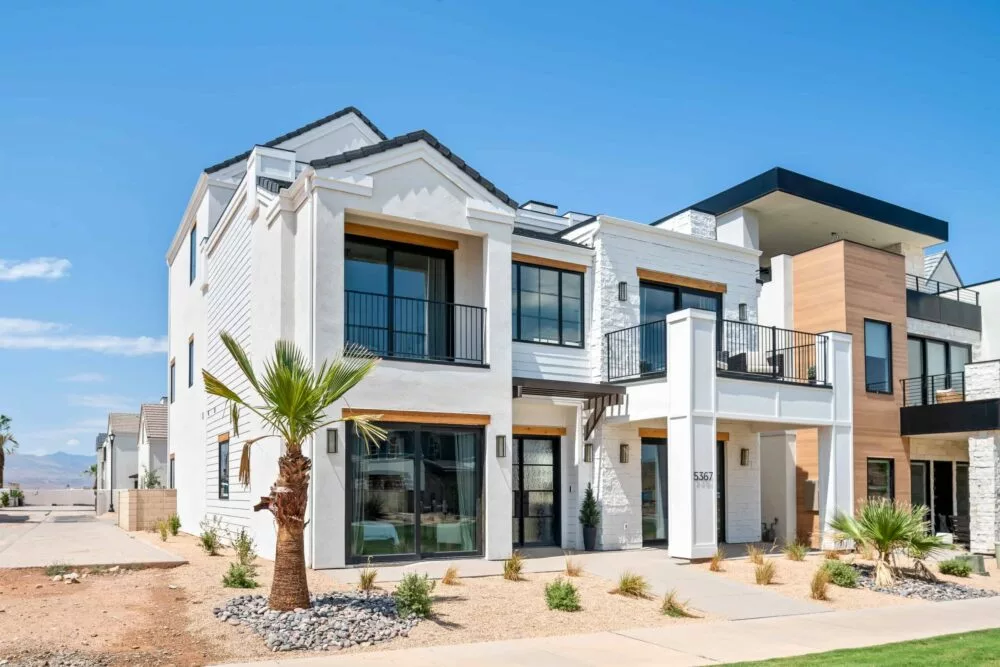
A DP-1 is the basic dwelling form: it pays for the building against a short list of named perils such as fire, lightning, and windstorm. A DP-3 is the special form: it covers the dwelling on an open-perils basis, meaning every cause of loss except the ones the policy excludes. For a rental property the DP-3 is the broader form and the usual starting point, but neither form is a short-term rental policy by itself.
What the DP Forms Are
“DP” stands for dwelling property. These are the forms insurers use when a home does not fit a standard homeowners policy, and rentals are the most common example. The National Association of Insurance Commissioners (NAIC) describes dwelling fire policies as covering dwellings, other detached structures, and contents against specified perils, and says they are usually written when a residential property does not qualify under the minimum requirements of a homeowners policy. Its homeowners market data call definitions sort the forms into three tiers.
- DP-1, the basic form. Covers the dwelling and attached structures against specific named perils like fire, lightning, and windstorm.
- DP-2, the broad form. Covers the DP-1 perils plus additional named perils such as falling objects, weight of snow, and vandalism.
- DP-3, the special form. Offers all-risks coverage for the dwelling and attached structures, covering all perils except those explicitly excluded, such as floods or earthquakes.
This post is about the two ends of that range. If you want the comparison between a DP-3 and a commercial habitational form, that is a separate question, and our post on DP3 vs. commercial habitational answers it.
DP-1: Named Perils Only
A named-perils form pays when the cause of the loss appears on its list. Fire is on the list. A pipe that bursts and floods the kitchen may not be, depending on the form. The question the form asks is “is this peril named,” and a loss that falls outside the list is not covered, however large it is.
That makes the DP-1 the thinnest of the three tiers, and it is why hosts and landlords should read the peril list before they accept it. Windstorm and similar perils can sit on the basic form or be added by endorsement, which varies by insurer. Many rental owners find that the cost of adding perils back to a DP-1 narrows the price gap with a DP-3 more than they expected.
A DP-1 can make sense for a low-value building, a vacant property between uses, or a lender requirement that only asks for a minimum. It is a poor fit for a furnished guest property that people use every night.
DP-3: Open Perils on the Dwelling
An open-perils form flips the question. The DP-3 starts from the position that the dwelling is covered, then lists what it excludes. The NAIC definition above names floods and earthquakes as examples of exclusions. Wear and tear, neglect, and intentional loss are other exclusions you will find on most forms, and the wording differs by insurer.
Two limits of the DP-3 surprise owners.
- Contents are usually narrower than the dwelling. On many DP-3 forms, personal property such as furniture and appliances is covered against named perils even though the building is covered on an open-perils basis. Confirm that on your own policy, because a furnished rental has a lot of contents.
- Loss settlement may differ. A DP-1 is commonly settled on actual cash value, and a DP-3 more often pays replacement cost on the building. The settlement basis decides whether a claim buys a new roof or a depreciated one, so ask which applies.
The Coverage Parts Inside a Dwelling Form
A dwelling form is built from parts, and the perils are only one of the ways the forms differ. The NAIC describes a dwelling fire policy as covering the dwelling, other detached structures, and contents against specified perils, and says it may also provide liability coverage and additional living expenses. In practice the parts look like this.
- The dwelling. The main building and the structures attached to it. This is where the named-perils versus open-perils difference does its work.
- Other structures. A detached garage, a fence, or a guest cottage. Check whether they are covered and whether they are covered on the same basis as the house.
- Personal property. What you own and keep in the rental, such as appliances, furniture, and linens. Furnished rentals carry a lot of it.
- Fair rental value. Rent you lose while a covered loss makes the home unfit to rent.
- Liability. Some dwelling programs offer a limited personal liability add-on. It is not a substitute for the general liability a rental that hosts guests needs.
The DP-2 sits between the two forms discussed here. It keeps the named-perils approach but adds perils such as falling objects, weight of snow, and vandalism. If an insurer offers you a DP-2, read it the same way: by the list of what is named.
DP-1 vs. DP-3 Side by Side
| Question | DP-1 | DP-3 |
|---|---|---|
| How does the form decide what is covered? | The cause of loss must be named | Covered unless the policy excludes it |
| What is it usually used for? | Lower-value or minimum-requirement rental dwellings | Rental dwellings where broader protection is wanted |
| Are flood and earthquake covered? | No, not unless a separate policy applies | No, both are typical exclusions |
| Contents | Named perils, if covered | Often named perils, even with an open-perils dwelling |
| What to ask first | Which perils are named, and which can be added? | What is excluded, and how is loss settled? |
Treat the table as a map to the questions, not as a quote. Individual policies change the details.
Where Both Forms Stop for a Short-Term Rental
Both forms insure the structure. Neither is a short-term rental program, and three gaps follow from that.
Occupancy. A dwelling form is written for a stated use. If the application describes a long-term tenant and the property is rented by the night, the insurer has a coverage question when a claim arrives. The National Association of Insurance Commissioners warns that insurers may deny coverage when a home is used as a rental in a way the policy did not expect, and our STR vs. landlord insurance comparison explains why.
Liability. Guest injuries are not a property loss. They belong to general liability, which is a separate part of the program. See the general liability coverage page for how it sits beside the dwelling form.
Income. Fair rental value on a dwelling form was built around a lease. Nightly income that swings by season needs a loss of rents line written for it, and the loss of rents cap explained shows why the length of the payment period matters.
If the property is a short-term rental, the DP-3 is one layer of the answer, not the whole of it. The property and dwelling coverage page shows how we place that layer, and the Triple-I article on renting out your home explains why the first step is to call your insurance agent.
Scenario: A Duplex Owner Moves One Side to Nightly Rentals
An owner has insured a duplex on a DP-1 for years because both sides were leased long term. The owner converts one side to a furnished nightly rental and leaves the policy alone. A kitchen fire starts in the nightly unit. The fire is a named peril, so the building loss is covered, but the form pays on actual cash value, the contents in the furnished unit are barely covered, and the insurer asks how the unit was being used. The owner had changed the use without telling anyone. The form was not the whole problem. The policy no longer described the property.
How to Choose Between DP-1 and DP-3
- Start with use. Long-term lease, short-term rental, or a mix. The form follows the use, not the other way around.
- Read the peril list or the exclusions. For a DP-1, the list of named perils. For a DP-3, the list of exclusions.
- Ask how loss is settled. Actual cash value or replacement cost, on the building and on contents.
- Check the contents terms. Furnished rentals carry real value in contents.
- Ask what the insurer needs to know. Disclose nightly use before the policy is issued, not after a loss.
- Price flood separately. Neither form pays for it, and our flood insurance coverage page explains the options.
Hosts who want the property form and the liability and income lines placed together can start with single-family STR insurance or multi-unit STR insurance, then request a quote with the address and how the property is rented.
Our vacation rental insurance page shows how the dwelling form fits with the liability and income coverage around it.
Frequently Asked Questions
What is the difference between DP-1 and DP-3 insurance?
DP-1 is the basic dwelling form and pays only for the perils it names, such as fire, lightning, and windstorm. DP-3 is the special form and covers the dwelling and attached structures against all perils except those the policy explicitly excludes, such as flood and earthquake. For most rental owners the DP-3 is the broader and more commonly chosen form.
What does a DP-3 policy cover?
A DP-3 covers the dwelling and attached structures on an open-perils basis, and it can also provide coverage for other structures, personal property, and fair rental value, depending on the policy. Open perils means a loss is covered unless an exclusion removes it. Read the exclusions for flood, earth movement, wear and tear, and anything tied to rental use.
Is DP-3 the same as landlord insurance?
The terms overlap but are not identical. DP-3 is a policy form, and insurers commonly use dwelling forms to write landlord or rental dwelling policies. Landlord insurance is the way the product is sold, and the form underneath can differ by insurer, so ask which form your policy is written on.
Is a DP-1 or DP-3 right for an Airbnb?
Neither form is written for nightly guest turnover by default. A DP-3 is the broader property form, but you still need the insurer to accept short-term rental use, and you still need separate liability and loss of rents coverage that fits guest stays. Tell the insurer how the property is used before the policy is issued.
Does a DP-3 pay lost rental income?
Many dwelling forms include fair rental value, which pays rent you lose while a covered loss makes the property unfit to rent. That is built for a lease, not for nightly bookings that vary by season, so ask whether the wording responds to short-term rental income and how long it pays.
Does DP-3 cover flood?
No. The NAIC describes DP-3 as covering all perils except those explicitly excluded, and it names floods and earthquakes as examples of what is excluded. Flood needs its own policy, either through the National Flood Insurance Program or a private flood insurer.
Why is a DP-1 cheaper than a DP-3?
A DP-1 pays for fewer causes of loss, so the insurer takes on less risk and the coverage is narrower. The savings can disappear at claim time if the loss was caused by something the form does not name. Compare what each form would pay for the losses you are most worried about, not only the premium.
The Bottom Line on DP-1 and DP-3
DP-1 covers the dwelling against named perils. DP-3 covers it against every peril the policy does not exclude. For a rental property the DP-3 is the broader form, but both are dwelling forms, and neither one answers the liability, loss of rents, or occupancy questions a short-term rental raises.
Pick the form by what the property does, then confirm the insurer has accepted that use. For the comparison with commercial forms, read DP3 vs. commercial habitational, then submit a quote or call 317-942-0549.