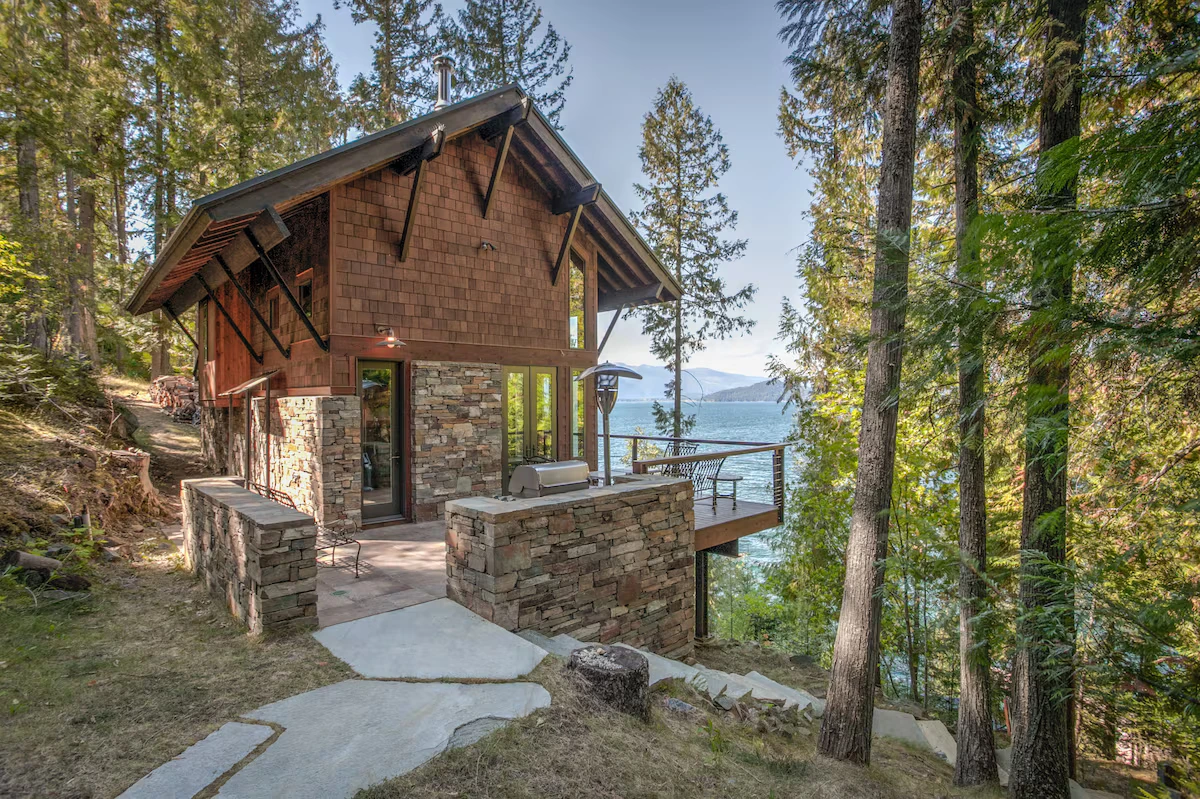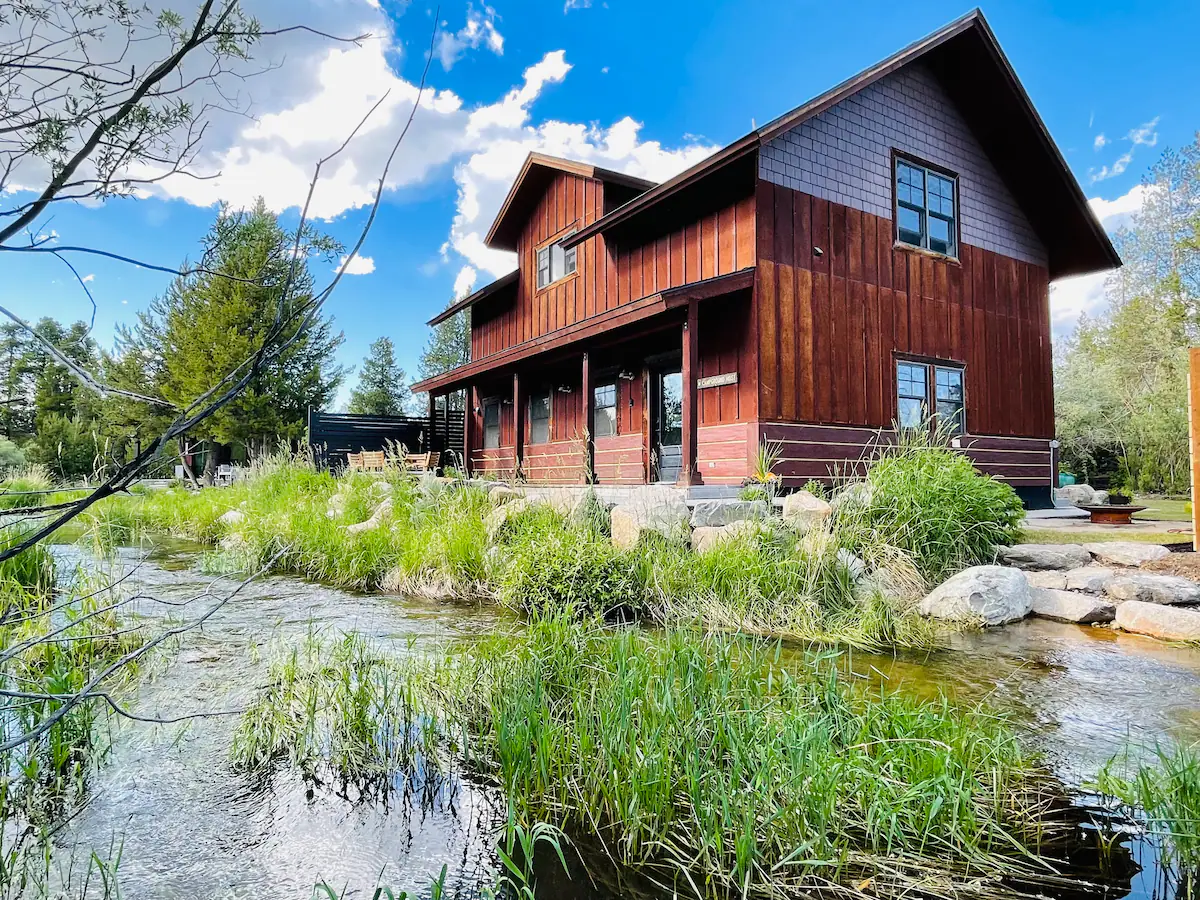
Competitive STR pricing in 2026 is built on three layers: a base rate set from comp analysis, dynamic adjustments for season and demand, and a length-of-stay discount structure. New hosts who simply copy nearby listings or rely on Airbnb Smart Pricing alone typically leave 15–30% of revenue on the table. The goal is not the highest occupancy or the highest nightly rate — it is the highest revenue per available night.
Start With Comp Analysis, Not a Guess
Pricing begins with data, not instinct. The single most useful number in STR pricing is RevPAR — revenue per available rental night, calculated as average daily rate (ADR) multiplied by occupancy. A property at $200 ADR and 60% occupancy ($120 RevPAR) out-earns one at $150 ADR and 75% occupancy ($112.50 RevPAR), even though the second looks “busier.” Optimizing for RevPAR — not for the highest rate or the fullest calendar — is the entire game.
Build a comp set of 8 to 12 genuinely similar listings in your specific submarket: same bedroom count, comparable guest capacity, similar amenity tier (a hot tub property compares to hot tub properties), and the same neighborhood or drive-time zone. Pull their ADR, occupancy, and — most revealing — their booked calendar. Market-data tools like AirDNA track ADR, occupancy, and seasonality at the neighborhood level and let you see how comparable properties are actually performing rather than what they list at.
In our experience, the hosts who price well treat comp analysis as ongoing, not a one-time setup task. Markets shift — new supply comes online, a competitor renovates, demand patterns move — and a comp set that was accurate last year drifts. Our guide to the best markets to buy a vacation rental in 2026 covers how to read a submarket before you buy; the same data discipline applies to pricing it after you do.
Setting Your Base Rate
The base rate is the anchor every other adjustment moves from. Set it from the comp data: look at where comparable, well-reviewed listings cluster, and position your base rate against that cluster based on how your property actually stacks up. A property with better photos, stronger reviews, and a standout amenity earns a premium; a brand-new listing with zero reviews should sit slightly below the cluster to earn its first bookings.
New listings need a deliberate ramp strategy. The first 5–10 reviews matter more than the first few hundred dollars of nightly rate — search ranking and guest trust both depend on review volume. Price a new listing modestly below comparable established listings for the first several weeks, deliver an excellent stay, collect reviews, and then raise the base rate into its real position. We work with hosts who hold out for full rate from day one and then sit at zero bookings for a month; the faster path to a strong rate is to earn the reviews that justify it.
Your base rate should also be seasonal from the start — not one year-round number. Set distinct base rates for peak, shoulder, and off-season. Everything dynamic builds on top of those seasonal anchors.
Dynamic Pricing Principles
Flat pricing leaves money on the table in both directions — it underprices high-demand nights and overprices dead ones. Dynamic pricing adjusts the nightly rate against the variables that actually move demand:
- Seasonality — peak, shoulder, and off-season rate bands.
- Day of week — Friday and Saturday command a premium in most leisure markets; Sunday-through-Thursday is softer.
- Demand events — festivals, conferences, sporting events, graduations, and holidays spike demand on specific dates, often months out.
- Lead time and booking window — far-out dates can hold a higher rate; unbooked dates close to arrival should discount to capture last-minute demand rather than going empty.
- Occupancy pace — if a month is filling faster than normal, rates should rise; if it is lagging, they should ease.
- Gap and orphan nights — a single open night between two bookings will not sell at full rate; discount it or it goes empty.
The principle underneath all of it: a night that goes unsold is worth zero, and a night priced too low can never be re-sold higher. Dynamic pricing is the discipline of pricing each night for what that specific night can actually earn.
Pricing Tools: PriceLabs, Beyond, and Wheelhouse
Doing all of that by hand, every day, across a full calendar is impractical. Three dynamic pricing tools dominate the STR market, and any of them beats flat pricing.
PriceLabs is the most rule-driven and customizable. It gives hosts granular control — custom seasonal profiles, day-of-week rules, occupancy-based adjustments, minimum-stay automation, and detailed market dashboards. It rewards hosts who want to actively manage their strategy.
Beyond (formerly Beyond Pricing) leans toward hands-off automation. It pulls its own demand signal data and adjusts rates with less manual configuration — a fit for hosts who want a strong default and minimal tuning.
Wheelhouse sits between the two, pairing automated recommendations with adjustable strategy settings, and is known for clear, host-friendly controls.
This is not an endorsement of any one tool — the right choice depends on how much manual control you want and how many properties you run. What matters is the category: a host who moves from flat pricing or Airbnb Smart Pricing to any competent dynamic pricing tool typically sees a measurable revenue lift. The tool sets prices day to day; the host still sets the seasonal floors, ceilings, and strategy.
Seasonality and Demand Events
Most STR markets earn the majority of annual revenue in a minority of the calendar. A beach market may earn 60%+ of its revenue in summer; a ski market, in winter; a mountain cabin market, across leaf season and summer holidays. Pricing has to respect that concentration.
Peak season is where the money is — price it to the top of what well-reviewed comps achieve, and resist the urge to discount nights that would book at full rate anyway. Shoulder season is a balancing act between rate and occupancy. Off-season should be priced to drive occupancy, often with stronger length-of-stay discounts to capture longer, lower-turnover bookings.
Demand events deserve their own attention because they are predictable and lucrative. A major festival, a championship game, a conference, or a graduation weekend can support a rate two or three times the normal night — but only if you set it before the comp set books up. Build a calendar of your market’s events and price those dates early; dynamic pricing tools catch many events automatically, but local ones often need a manual override.
Length-of-Stay Strategy
Length-of-stay pricing is where many hosts underbuild their strategy. The levers:
- Weekly and monthly discounts. Weekly discounts around 10–15% and monthly discounts of 20–30% are common. Longer stays cut turnover costs, reduce cleaning expense and per-night wear, and lower the chance of a problem booking.
- Minimum-night settings. A two- or three-night minimum protects against unprofitable one-night turnovers; a higher minimum over a holiday weekend captures the full premium period.
- Gap-night pricing. Configure the calendar to fill orphan nights — discount the single night between bookings, or set custom minimum-stay rules so they do not strand.
Length-of-stay discounts are most valuable in shoulder and off-season, when occupancy is the constraint. In peak season, scale them back — you do not want to discount a week that would have booked at full nightly rate. A longer average stay also has a quieter benefit: fewer turnovers means fewer chances for guest-caused damage, and the guest damage claim process is one every host would rather run less often.
Platform-Specific Considerations
Airbnb Smart Pricing automatically adjusts your rate within a range you set, using listing and area demand signals. It is better than a flat rate — but it has a known bias: Airbnb’s algorithm optimizes for bookings, and Airbnb earns a service fee on every booking, so Smart Pricing tends to set rates toward the low end of your range. It also does not weigh your costs, local events, or competitor calendars the way a dedicated tool does. Airbnb’s own explanation of Smart Pricing is worth reading — and if you use it, set a firm minimum so it cannot underprice you.
VRBO offers its own rate tools and seasonal rate settings; the VRBO Help Center covers rate setup for that platform. If you list on both Airbnb and VRBO, a third-party dynamic pricing tool that syncs across platforms keeps your pricing consistent and your calendar from double-booking.
One pricing note that spans both platforms: guests compare total price, not nightly rate. The cleaning fee, taxes, and service fees all roll into the number a guest sees. Insurance proceeds aside, even your cleaning fee is part of the rental income picture the IRS treats as reportable — and an inflated cleaning fee inflates the total and suppresses bookings, especially on short stays.
Scenario: A 2-Bedroom Smoky Mountains Cabin
Consider a 2-bedroom cabin in the Smoky Mountains near Pigeon Forge — hot tub, mountain view, sleeps six. A host pricing it flat at $189 a night, year-round, with no seasonal or event adjustments, runs about 68% occupancy and earns roughly $47,000 a year. The calendar looks healthy, so the host assumes the pricing works.
It does not. Flat pricing leaves the cabin underpriced through leaf season and summer holidays and overpriced in the January–February lull. We see this pattern constantly: a flat-priced cabin that books well is almost always underpriced in peak periods. Rebuilt with seasonal base rates, a dynamic pricing tool, weekend premiums, event pricing for the area’s festival calendar, and shoulder-season weekly discounts, the same cabin lands a blended ADR around $235 at roughly 66% occupancy — about $56,600 a year. Nearly $10,000 in additional revenue, on the same property, from pricing structure alone. The dynamic version runs slightly lower occupancy by design — it stops giving away peak nights — and earns more because revenue per available night, not occupancy, is what was optimized.
Pricing Mistakes That Cost Hosts the Most
The recurring errors are consistent across markets:
- Chasing occupancy instead of revenue. A 95%-booked calendar at a low rate is a signal of underpricing, not success. It also means more turnovers, more cleaning, and more wear.
- Copying the listing next door. A neighbor’s rate reflects their photos, reviews, amenities, and cost basis — not yours. Comps inform a base rate; they do not set it.
- Set-and-forget pricing. A rate set once and never revisited drifts out of the market within a season.
- Ignoring seasonality and events. Flat pricing underprices the exact dates that should carry the year.
- Treating the cleaning fee as profit. An inflated cleaning fee raises the total price guests see and depresses conversion on short stays.
- Underpricing a brand-new listing forever. Introductory pricing is a launch tactic, not a permanent position — raise rates once the reviews are in.
Pricing well is an operating discipline, not a one-time decision. Pair it with the rest of a sound setup — see how to set up your first Airbnb property and the essential furniture checklist — and revisit it monthly. For coverage built around a mountain cabin operation, see our cabin and mountain STR coverage, the Tennessee STR cost guide, and the regulatory backdrop on our Tennessee STR page. And because your revenue is what a loss of rents claim has to replace, the income your pricing produces should be reflected in your policy limits.
Frequently Asked Questions
How should I price my Airbnb in 2026?
Price in three layers. Set a base rate from comp analysis of 8–12 truly similar listings in your submarket, then apply dynamic adjustments for season, day of week, and demand events, and finally structure length-of-stay discounts. The goal is the highest revenue per available night — a blend of nightly rate and occupancy — not the highest of either one alone. Review and adjust pricing at least monthly.
What’s the best dynamic pricing tool for Airbnb?
The major dynamic pricing tools — PriceLabs, Beyond, and Wheelhouse — all pull market demand data and adjust your calendar automatically, and any of them outperforms flat pricing. PriceLabs is the most rule-driven and customizable, Beyond leans toward hands-off automation, and Wheelhouse sits in between. The best choice depends on how much manual control you want; most hosts who switch from flat pricing see a revenue lift regardless of which one they pick.
Should I use Airbnb Smart Pricing?
Airbnb Smart Pricing is better than flat pricing but tends to set rates low, because Airbnb’s algorithm optimizes for bookings — and Airbnb earns a fee on every booking. It also does not account for your costs, local events, or competitor calendars the way a dedicated tool does. If you use it, set a firm minimum price so it cannot underprice you, or use a third-party dynamic pricing tool instead.
How do I know if I’m underpricing my Airbnb?
Two signals point to underpricing: your calendar books out weeks or months in advance with no last-minute availability, and your occupancy sits well above comparable listings while your average daily rate sits below them. A property booked solid at a low rate is leaving revenue on the table — and absorbing extra cleaning and wear. If far-out dates fill instantly, raise rates until booking pace normalizes.
How much should I charge for cleaning fees on my STR?
Set the cleaning fee to roughly cover what you actually pay your cleaner per turnover — commonly $75–$250 depending on property size and market. A cleaning fee is not a profit center; an inflated one inflates the total price guests see and hurts conversion, especially on short stays where the fee is spread over fewer nights. If your minimum stay is one or two nights, keep the cleaning fee modest or it will suppress bookings.
Should I offer length-of-stay discounts?
Usually yes. Weekly discounts of around 10–15% and monthly discounts of 20–30% are common, and they raise occupancy, cut turnover and cleaning costs, and reduce guest-caused wear per night. They are most valuable in shoulder and off-season periods when filling the calendar matters more than peak nightly rate. In peak season, scale discounts back so you are not discounting nights that would book at full price anyway.
How do I price for peak season vs off-season?
Set distinct rate bands for peak, shoulder, and off-season rather than a single year-round rate. Peak season is where most annual revenue is earned, so price it to the top of what comparable listings achieve; shoulder and off-season should be priced to drive occupancy, often with stronger length-of-stay discounts. Dynamic pricing tools automate the day-by-day version of this, but the host still sets the seasonal floors and ceilings.
The Bottom Line on Pricing Your Airbnb in 2026
Competitive STR pricing is not guesswork and it is not the nightly rate your neighbor happens to charge. It is three deliberate layers: a base rate built from comp analysis, dynamic adjustments for season and demand, and a length-of-stay discount structure. The hosts who win optimize for revenue per available night — a blend of rate and occupancy — not for the highest of either number alone.
Use real market data, lean on a dynamic pricing tool rather than flat rates or Airbnb Smart Pricing alone, and review your calendar at least monthly. And remember that the operating model you choose — high nightly rate or high occupancy — also shapes your insurance: your loss of rents limit should reflect the income your pricing strategy actually produces. To make sure your coverage keeps pace with your revenue, submit a quote or call 317-942-0549. We respond in 1–2 hours during business hours.