Furnishing your first short-term rental costs roughly $15,000–$30,000 for a 2–3 bedroom property, spread across seven categories of essentials: living room, kitchen, bedrooms, bathrooms, outdoor space, tech and safety, and linens and supplies. This checklist covers what to buy in each — with real cost ranges — and flags the three categories where first-time hosts most often overspend. The goal is a complete, hospitality-grade property without wasted budget.
Living Room
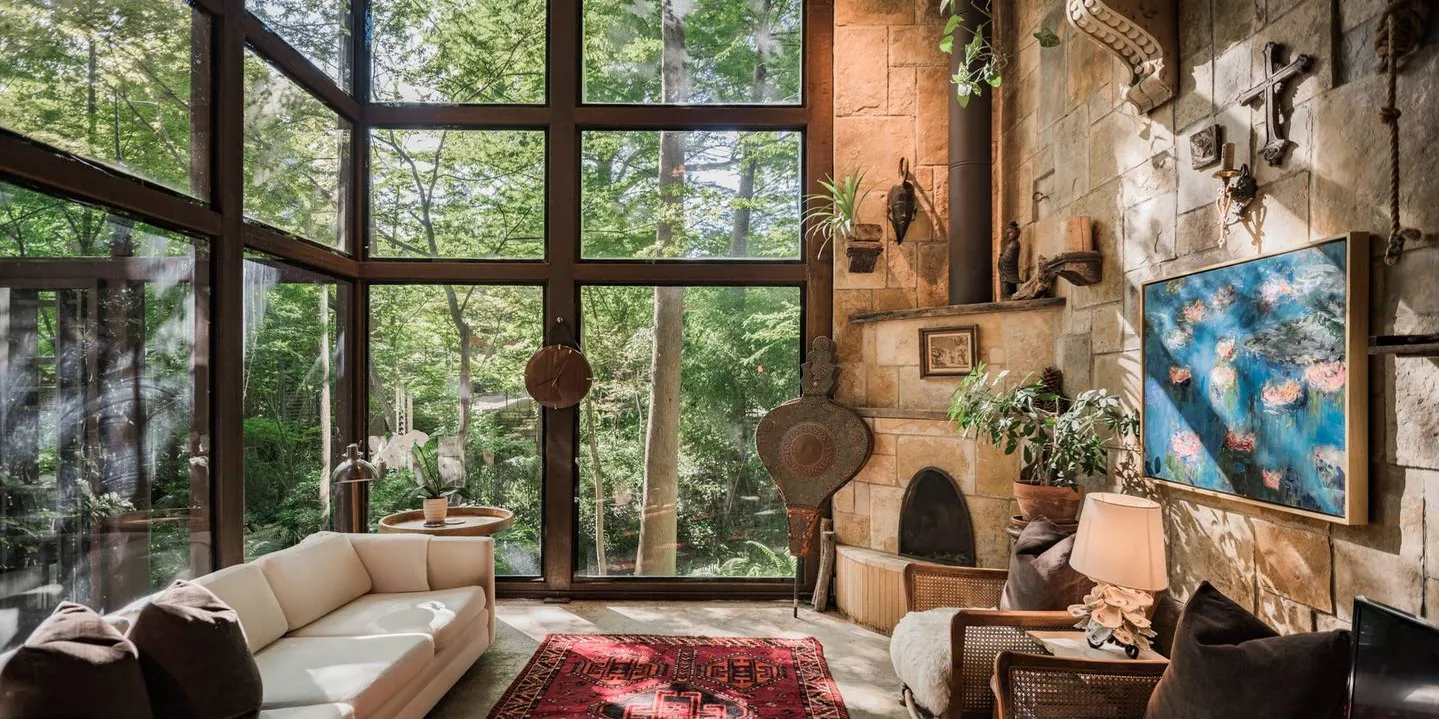
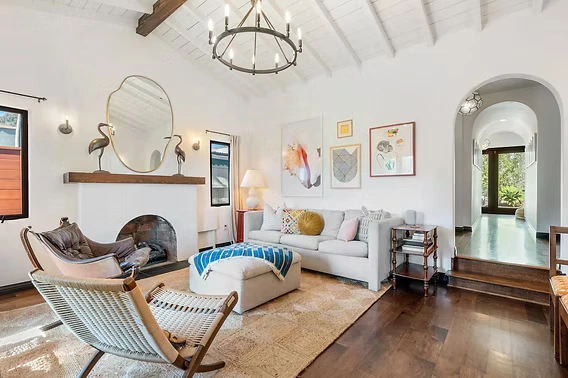
The living room is the first space guests photograph and the one they spend evenings in. Furnish it for durability and comfort, not for a magazine spread.
- A durable sofa, plus additional seating for the property’s maximum guest count
- A coffee table and side tables built to take wear
- A media console and a wall-mounted television
- Rugs, lamps, and simple, replaceable decor
- Window treatments that provide real privacy and room darkening
Budget roughly $2,500–$6,000. Buy the sofa new — it is a high-use, high-visibility piece — and save on accent furniture and decor.
Kitchen
A short-term rental kitchen should let a guest cook a full meal without discovering a missing basic. This is a frequent source of complaints when underdone.
- Cookware, bakeware, and a complete knife set
- Dishes, glassware, and flatware for more than the maximum guest count
- Small appliances: coffee maker, toaster, microwave, blender, kettle
- Cooking utensils, mixing bowls, food storage
- Starter consumables: coffee, oil, salt and pepper, dish soap, trash bags
Budget roughly $1,500–$3,500. Airbnb’s hosting resources include kitchen-stocking guidance worth reviewing.
Bedrooms
Sleep quality drives reviews more than almost anything else. Every sleeping space needs a real, comfortable bed — never an afterthought.
- Quality mattresses and solid bed frames for every sleeping space
- Pillows, mattress protectors, and two-plus full linen sets per bed
- Dressers or storage, nightstands, and bedside lighting
- Blackout window treatments
Budget roughly $2,000–$4,500 per bedroom. Buy mattresses new — this is not a category to economize in, and guests notice immediately.
Bathrooms
Bathrooms should read as clean, well-equipped, and hotel-consistent.
- Multiple full towel sets per bathroom
- A bath mat, shower curtain or quality glass, and storage
- A starter stock of toiletries and ample toilet paper
- A hair dryer, mirror, and good lighting
Budget roughly $400–$900 per bathroom. Towels are a recurring replacement cost — buy in quantity and in a single color for easy restocking.
Outdoor Space
If the property has a porch, deck, patio, or yard, guests expect it furnished and usable — outdoor space is a booking driver.
- Durable, weather-rated outdoor seating and a dining set
- A grill, if the market and property suit one
- Lighting, and shade where the climate calls for it
- Amenity features the listing promises — fire pit, lawn games
Budget roughly $800–$3,000. Any pool, hot tub, or fire feature also raises the property’s liability profile — see our general liability overview.
Tech and Safety
Technology and safety equipment are smaller line items, but failures here generate outsized guest complaints — and safety equipment is non-negotiable.
- Fast, reliable Wi-Fi — the single most important amenity
- A smart lock for keyless self-check-in, and a smart thermostat
- A television with major streaming apps
- Smoke and carbon-monoxide detectors, a fire extinguisher, a first-aid kit
- Exterior-only security cameras at entry points, disclosed in the listing — interior cameras are prohibited by platform rules
Budget roughly $800–$2,500. The Airbnb Help Center and VRBO Help Center both document current safety and camera-disclosure requirements.
Linens and Supplies
Beyond bedroom linens, the property needs the consumable supplies that keep turnovers fast and stays comfortable.
- Extra linen and towel sets to cover same-day turnovers
- Cleaning supplies, vacuum, iron, and laundry basics
- Kitchen and bathroom consumables for restocking
- A guest welcome book and clearly posted house rules
Budget roughly $600–$1,500. Carrying spare linen sets is what lets a cleaner turn the property between a checkout and a same-day check-in.
Where First-Time Hosts Overspend
Three categories absorb wasted budget. We typically see first-time hosts overspend on premium decor and styling — high-end art, designer accessories, and trend pieces that date quickly and add nothing to the nightly rate. The second is oversized tech packages — elaborate smart-home systems and multiple TVs per property when reliable Wi-Fi and one good television in the main living space carry the guest experience. The third is buying everything new, including pieces like accent tables and decorative furniture that can be bought used or refurbished with no guest-experience cost at all.
Spend where guests measurably notice — beds, seating, the kitchen, and Wi-Fi — and economize everywhere else.
Scenario: A 3-Bedroom Property at $22K vs. $42K
We worked with two hosts furnishing comparable 3-bedroom properties in the same market. One furnished for about $22,000; the other spent roughly $42,000. Both properties booked well and reviewed well.
What did the extra $20,000 buy? Mostly three things: premium designer furniture and custom window treatments in place of solid mid-range pieces; a professional staging and styling package; and an extensive smart-home build-out — multiple TVs, a whole-home audio system, automated lighting throughout. Some of it helped the second property command a modestly higher nightly rate. But in our experience, the $22,000 property captured the large majority of the achievable revenue at roughly half the capital outlay — and when a contents claim eventually happened, the difference between the two showed up directly in the contents coverage limit each one needed. Furnish to a strong, durable standard; the marginal dollars above that are an investment decision, not an essentials decision.
Insure What You’ve Furnished: Contents Coverage
The furniture, electronics, and kitchenware you have just bought are not a personal-home contents schedule — they are the working inventory of a hosting business, and they should be insured for what it would actually cost to replace them.
This is one of the most common gaps we see. A contents limit carried over from a homeowners or landlord policy rarely reflects the real replacement cost of a fully furnished STR. After a fire or a major water loss, an underinsured contents limit leaves the host paying out of pocket to refurnish — during the same closure when loss of rents is the only income.
The fix is straightforward: build an inventory as you furnish — keep receipts, photograph each room — total the replacement cost, and set the contents coverage limit to match. How contents are settled also depends on the dwelling form, a point covered in our guide to DP-3 vs. commercial habitational. For furnishing costs and depreciation, IRS Topic 415 and tools like AirDNA help with the tax and market sides.
If you are still earlier in the process, our guide to setting up your first Airbnb covers the full launch sequence, and our single-family STR coverage page explains how contents fits the broader program. To size a contents limit to your real inventory, submit a quote.
Frequently Asked Questions
How much does it cost to furnish a vacation rental?
Expect roughly $15,000–$30,000 to furnish and stock a 2–3 bedroom short-term rental to a competitive standard. The range is wide because it depends on the property’s target guest, the market’s expectations, and how much is bought new. Bedrooms, the living room, and the kitchen absorb most of the budget; linens, supplies, and safety equipment are smaller but non-negotiable line items.
What is essential furniture for an Airbnb?
The essentials are quality beds and mattresses for every sleeping space, durable living-room seating and a dining set, a fully equipped kitchen, and well-stocked bathrooms. Beyond furniture, an STR needs reliable Wi-Fi, a smart lock, safety equipment, and several full sets of linens. The standard is a complete, hospitality-grade space — a guest should never find a basic item missing.
Should I buy new or used furniture for my STR?
A mix usually works best. Buy beds, mattresses, and high-use upholstered seating new — they wear hard and guests notice their condition. Decorative pieces, side tables, and accent furniture can often be bought used or refurbished without any guest-experience cost. In our experience, hosts who buy everything new overspend, and hosts who buy mattresses used regret it.
What tech do I need in my Airbnb?
The baseline is fast, reliable Wi-Fi, a smart lock for keyless and self-check-in, a smart thermostat, and a television with major streaming apps. Many hosts add exterior-only security cameras at entrances, which platform rules permit when disclosed — interior cameras are prohibited. Tech is one category where reliability matters more than spending; a dropped Wi-Fi signal generates more bad reviews than almost anything else.
What kitchen supplies are essential for short-term rentals?
A short-term rental kitchen should let a guest cook a full meal: cookware and bakeware, a complete set of knives, dishes and glassware and flatware for more than the maximum guest count, basic small appliances (coffee maker, toaster, microwave, blender), and cooking utensils. Stock starter consumables — coffee, oil, salt and pepper, dish soap, trash bags. A thinly equipped kitchen is a frequent source of guest complaints.
How often do I need to replace STR furniture?
High-use items wear on a short cycle. Mattresses, sofas, and linens in a busy STR typically need replacement every 2–4 years — faster than in a private home, because turnover is constant. Case goods and decor last longer. We typically see hosts budget an annual furniture-replacement reserve, which keeps the property competitive and avoids a single large re-furnishing expense.
Do I need to insure my STR contents separately?
The furnishings should be covered by a contents limit on the STR insurance policy, set to the real replacement cost of everything you bought. This is often missed: a contents limit carried over from a homeowners or landlord policy rarely reflects what it costs to refurnish a short-term rental after a fire or major water loss. Inventory the furnishings and set the limit to match.
The Bottom Line on Furnishing Your First STR
Furnishing a first short-term rental runs roughly $15,000–$30,000 for a 2–3 bedroom property, spread across seven categories: living room, kitchen, bedrooms, bathrooms, outdoor space, tech and safety, and linens and supplies. Spend where guests notice — beds, seating, the kitchen, reliable Wi-Fi — and resist overspending on premium decor, oversized tech packages, and trend pieces that date quickly.
Then insure what you bought. Build an inventory as you furnish, total the replacement cost, and set the contents coverage limit to match — not to a residential default carried over from another policy. To get contents and the rest of the program sized correctly, submit a quote or call 317-942-0549. We respond in 1–2 hours during business hours.