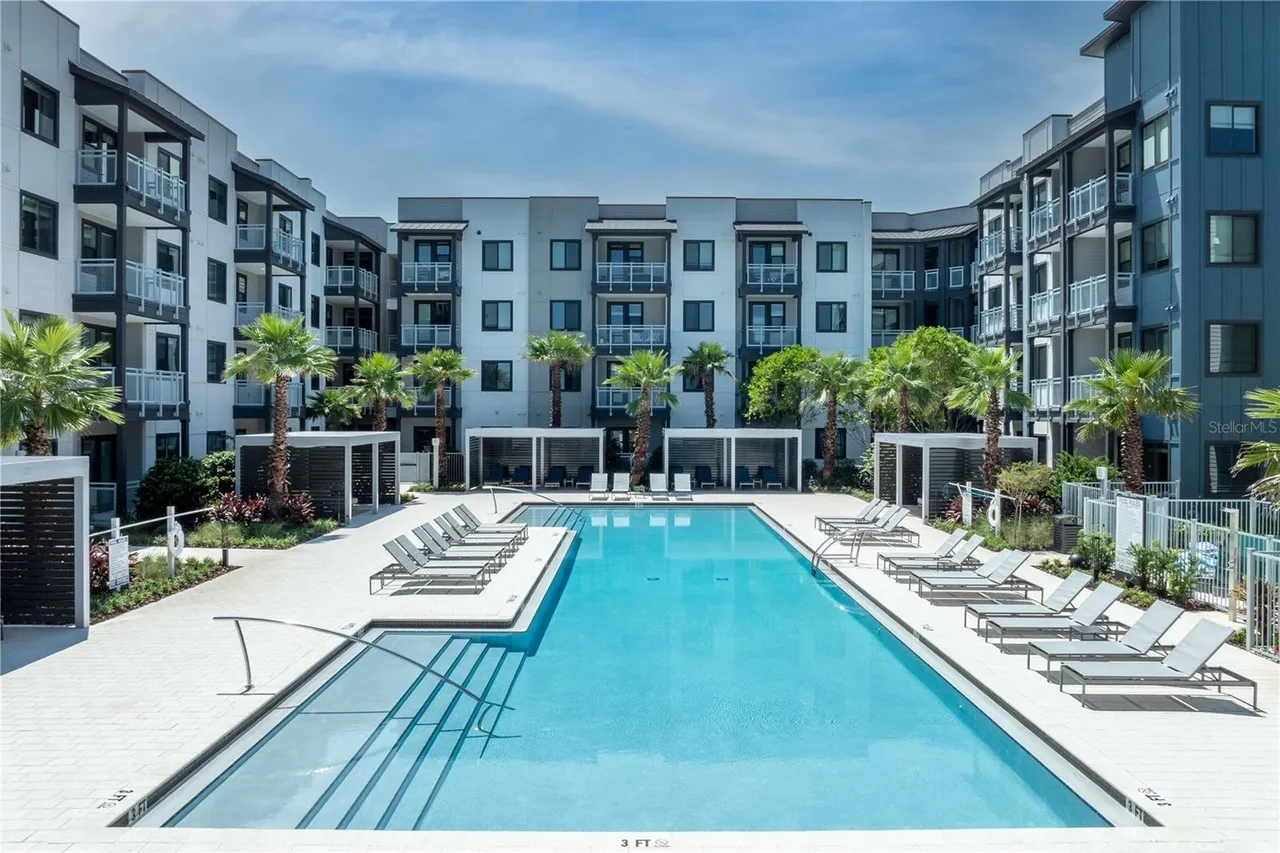
Rental property flood insurance insures the building you own, not the belongings of the people who live in it and not the rent you stop collecting while the unit is repaired. A landlord policy generally leaves flood out, so the building needs its own flood policy, the tenant needs a renters flood policy for their things, and the lost-rent question has to be answered separately. If your property is rented by the night on Airbnb or VRBO, our guide to flood insurance for a short-term rental covers that case directly; this one starts with the landlord.
Does Landlord Insurance Cover Flood?
Almost never as a standard feature. FEMA says on FloodSmart that most homeowners, renters, and business insurance does not cover flood damage, and that only a flood insurance policy will help you recover after a flood. A landlord or rental dwelling policy is written on the same logic. It pays for fire, wind, and the other perils it lists, and it excludes water that rises from outside and enters the building.
That distinction decides real claims. Wind drives rain through a damaged roof, and the property and dwelling policy responds. A creek that overtops its bank and enters the ground floor is flood, and it sits on the excluded side. Landlords tend to find the line after a loss. The better time to find it is when the policy renews.
What Each Policy Insures
A rented building has two sets of belongings and two sets of interests, and a single flood policy does not cover both. The table separates them.
| Item | Landlord’s building flood policy | Tenant’s renters flood policy | Still a gap |
|---|---|---|---|
| The structure, systems, and built-in items | Insured, up to the policy form’s limits | Not insured | Anything above the limit or excluded |
| Appliances and furniture you supply | Only if you buy contents coverage | Not insured | Furnished units are a common gap |
| The tenant’s furniture, clothing, electronics | Not insured | Insured, if the tenant buys it | Tenants without a policy |
| Rent you lose while repairs are made | Not paid by the NFIP policy form | Not applicable | Settle with your agent beforehand |
| The tenant’s temporary housing | Not paid by the NFIP policy form | Not paid by the NFIP policy form | The tenant’s own plan |
FloodSmart describes the renters version as a policy that protects the things a tenant owns inside the home, such as furniture, clothes, television, and computers. That is the policy a tenant has to buy, because the landlord’s policy was not written to carry it.
Tenants, Leases, and Who Carries the Risk
The risk of a flood in a rented building is split between two people who often assume the other one has it covered. Landlords assume the tenant’s renters policy handles the tenant’s losses, and tenants assume the landlord’s policy handles everything. Neither assumption holds for flood, because renters insurance generally excludes it too.
Three practices reduce the surprise.
- Say it in the lease or the move-in packet. State that the landlord’s insurance covers the building only and that the tenant’s belongings are the tenant’s to insure.
- Point tenants to a renters flood policy. FloodSmart explains how tenants buy it, and a landlord’s agent can make an introduction.
- Check what your state requires. Some states require landlords to give tenants a flood disclosure, and the rules vary. Ask a local attorney or your agent what applies where the property sits.
This is not legal advice, and a lease clause that works in one state may not work in another. The point is that the allocation of risk should be written down before the water arrives.
One further habit helps. Put the same note in the renewal packet each year, because tenants change and the note is only useful if the current tenant has seen it. A landlord who mails the reminder before the wet season has done more for the tenant, and for their own position after a loss, than one who relies on a clause nobody has reread since move-in.
Tenants also move out, and a unit that floods can lose its tenant. That is one more reason the rent question belongs in the conversation with your agent before the water arrives.
Flood Insurance by Building Type
The National Flood Insurance Program (NFIP) sets its maximums and ratings by building type, which is why a single rental house, a small multi-unit building, and a larger complex are treated differently. FEMA’s Flood Insurance Manual sets the limits for each category, and building coverage cannot exceed the lesser of the building’s replacement cost or the statutory maximum, so the cap can sit below what a rebuild would cost. That matters most for owners of a small multi-unit building, where the rebuild cost can outrun the cap and a private policy may need to sit above or in place of the federal one.
FEMA’s eligibility page says a policy is required if the building is in a Special Flood Hazard Area and has a government-backed mortgage, and that some lenders require it elsewhere. A landlord policy does not meet that requirement. Ask the lender, in writing, what it will accept before you cancel or replace anything.
Two other rental-specific points deserve a question to your agent. First, the NFIP rating asks whether the building is a rental property. Second, the rating treats a home differently depending on whether the owner lives there. How those answers affect a building loss depends on the policy and the property, so get the classification and the loss-settlement basis confirmed before you buy. Our multi-unit STR insurance page covers how we approach buildings with more than one unit.
When a Landlord Also Hosts Short Stays
Many owners now run a mix: a long-term tenant in one unit, a furnished nightly unit in another, or a long-term house that moves to Airbnb in summer. The flood policy is a place where that mix creates questions. A building that is partly nightly rental may be classified differently, and a loss may settle differently from the same building leased to one household.
Do not guess from the outside. Ask the agent to confirm, in writing, how the building is classified, what the loss-settlement basis is, and what responds to lost rent. Then read the live guide on flood insurance for a short-term rental, which covers the federal and private choice for a house rented to guests, and our STR vs. landlord insurance comparison, which explains why the underlying property policy has to match the use.
For lost income on any rental, loss of rents pays while a covered loss keeps the property from being rented, and it depends on the cause of the loss being covered under the policy. That is why the flood question and the rent question have to be answered together.
Scenario: A Landlord With a Duplex and a Creek
A landlord owns a duplex with long-term tenants on both sides. The landlord policy covers fire and wind and excludes flood, and the landlord has not bought flood coverage because the lender never required it. A heavy rain causes the creek behind the building to rise, and water enters both ground-floor units. The building is damaged and uninsured for the flood. Both tenants lose their belongings, and neither has a renters flood policy. The leases end early, and the rent stops. The landlord’s policy did what it was written to do. Nobody had arranged for the flood.
A Landlord Checklist
- Read the flood exclusion on the landlord policy and note whether it names rising water, surge, or overflow.
- Look up each building on FEMA’s flood map and ask the agent whether it is in a Special Flood Hazard Area.
- Ask the lender what it requires and whether a private policy is accepted.
- Get a federal quote and, where available, a private quote for the same building.
- Decide on contents coverage for any appliances or furniture you supply.
- Tell tenants in writing that the building policy does not cover their belongings.
- Ask what responds to lost rent if flood is the cause of loss.
- Buy ahead of the wet season, because a new federal policy has a waiting period.
For a coastal or low-lying portfolio, our flood insurance coverage page shows how we place the layers, and our short-term rental insurance explainer covers the rest of the program if some of your units rent by the night. To compare the options for a specific property, request a quote with the address and whether a lender is involved.
Owners who rent by the night can see the whole program on our vacation rental insurance page.
Frequently Asked Questions
Does landlord insurance cover flood damage?
Usually not. FEMA states that most homeowners, renters, and business insurance does not cover flood damage, and a landlord policy is commonly written the same way. Flood is bought as its own policy, either through the National Flood Insurance Program or from a private flood insurer. Read the exclusions on your landlord policy and ask your agent to confirm in writing how it treats rising water.
Does a landlord’s flood policy cover the tenant’s belongings?
No. A flood policy on the building insures the building and the items it lists, not the tenant’s furniture, clothing, or electronics. FloodSmart describes a separate renters flood policy that protects the things a tenant owns inside the home. A tenant needs that policy to be covered.
Does flood insurance pay lost rent when a tenant moves out?
Not under the National Flood Insurance Program. Its policy form does not pay for loss of revenue or profits, loss of use, or business interruption. Rent lost after a flood is a question to settle with your agent before a loss, since it depends on the cause of loss being covered under the policy.
Is flood insurance required on a rental property?
It is required if the building is in a Special Flood Hazard Area and has a federally backed mortgage, and some lenders require it even outside those areas. A landlord or homeowners policy does not satisfy that requirement. Where no lender requires it, buying flood insurance is the owner’s decision.
Should a landlord require tenants to carry renters flood insurance?
A lease can require tenants to carry renters insurance, and some landlords encourage a flood policy as well. Whether a lease clause is enforceable varies by state, so have the wording reviewed locally. Telling tenants that the landlord’s policy does not cover their belongings is a sound practice either way.
Is rental property flood insurance different if I rent on Airbnb?
It can be. A house rented by the night raises questions about how the property is classified and how a building loss is settled, which a long-term rental does not. Those questions are covered in our guide to flood insurance for a short-term rental. Ask an agent to confirm the classification in writing before you buy.
When should a landlord buy flood insurance?
Before it is needed. The National Flood Insurance Program coverage goes into effect 30 days after the date of purchase, with exceptions such as a policy bought while making, increasing, extending, or renewing a mortgage. Buying when a storm or heavy rain is forecast is usually too late.
The Bottom Line on Rental Property Flood Insurance
A landlord’s flood policy insures the building. It does not insure the tenant’s belongings, which need a renters flood policy, and it does not pay the rent you lose while the unit is repaired. Each piece needs to be arranged on purpose.
If you rent by the night instead of by the lease, read our guide to flood insurance for a short-term rental first. For anything else, start with the flood insurance coverage page, then submit a quote or call 317-942-0549.