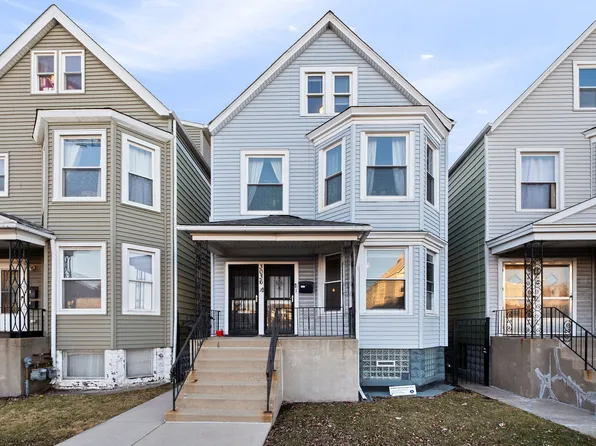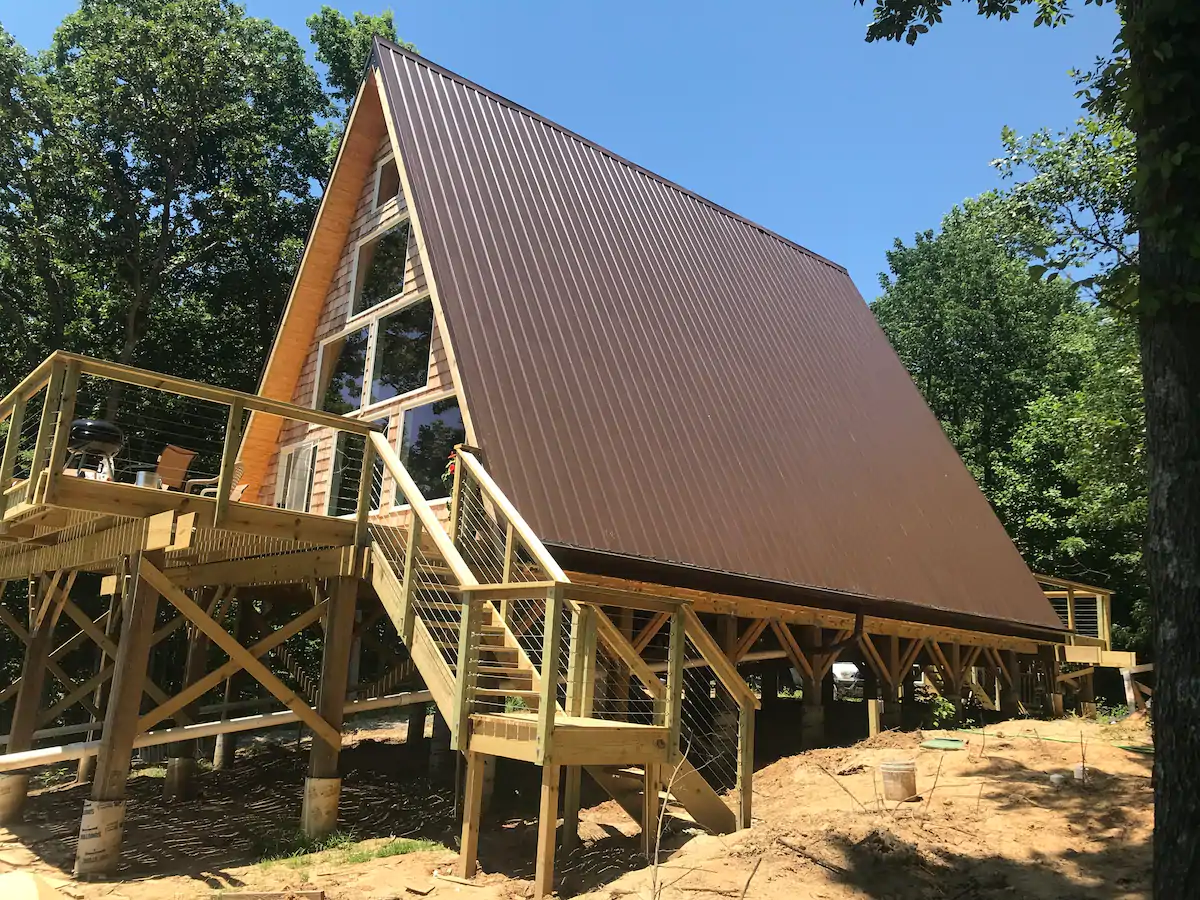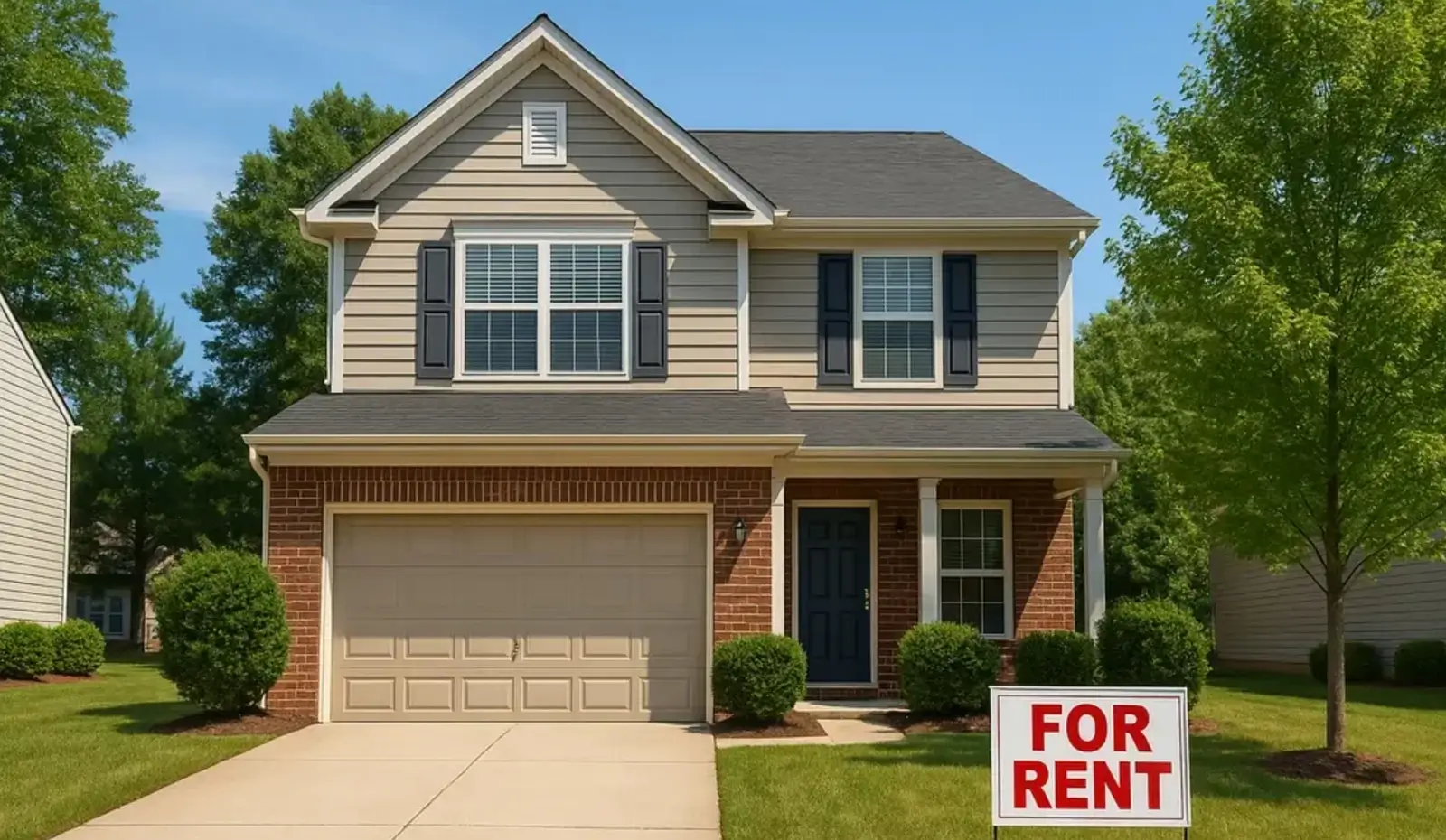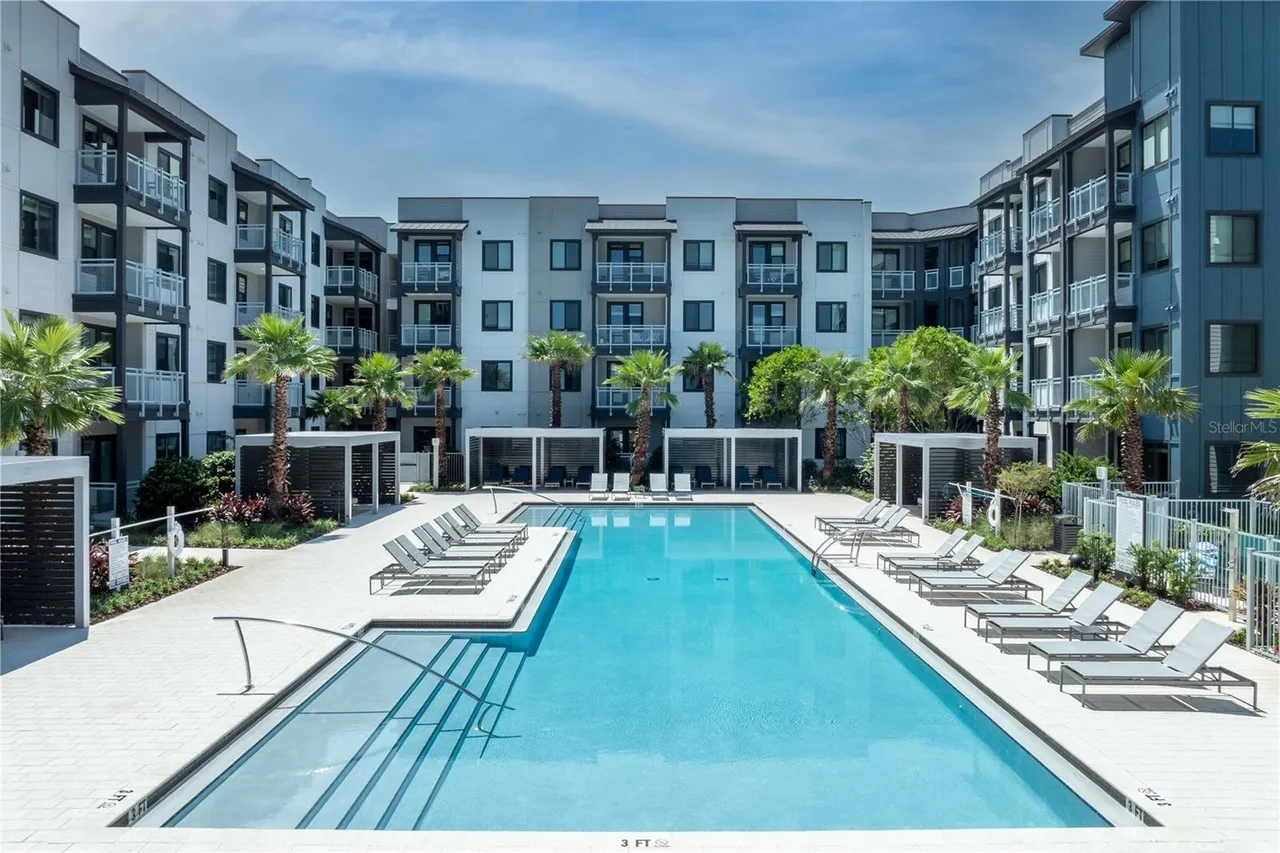
A standard homeowners policy usually does not fully cover Airbnb guests or the damage they cause. It is written for a household living in the home, and it commonly excludes or limits business activity, which regular paid hosting can be. Guest injuries, guest damage and theft are the usual gaps. Some insurers sell a home-sharing endorsement for occasional hosting, but a home rented to guests regularly needs a policy written for short-term rental use.
A Policy Built for a Household
A homeowners policy is priced on an assumption: the people in the home are the owner, the owner’s family and their invited visitors. The insurer knows roughly who is there, how they use the home, and how often. A paying guest breaks that assumption. Strangers arrive and leave on a schedule, use the kitchen, the stairs and the hot tub without supervision, and owe the owner money for the stay.
State regulators say this plainly. The Texas Department of Insurance, in its consumer tip on checking your insurance before renting out your home, warns that most homeowners insurance won’t cover damage to a rental property, or may limit what it pays, and advises contacting your agent or insurer before renting to ask whether you need added coverage for paying guests.
The Business Activity Problem
Most homeowners policies exclude or sharply limit coverage for business activity, and the question is whether hosting is a business. The Maryland Insurance Administration’s home-sharing consumer page notes that regularly renting out all or part of your home for a fee may be considered a home-based business. The NAIC’s consumer insight on insurance for home-sharing rentals makes the same point and adds that an insurer may deny a claim even where the policy has no specific home-sharing exclusion.
In practice, the business language matters in two places:
- Liability. An injury that arises out of a business conducted at the home may be excluded.
- Property. Coverage for property used in a business, and damage while the home is rented to others, may be limited or excluded.
How often you host is not a bright line written into most policies. Frequency, advertising, and whether you live there during the stay all shape how an insurer reads it, which is why the answer for one host can differ from the answer for a neighbor.
Guest Injuries: The Liability Side
The claim most hosts worry about is a guest hurt at the home: a fall on the stairs, a slip by the pool, a burn at the fire pit. Under a homeowners policy, personal liability coverage normally responds to injuries to visitors. A paying guest on a property offered as a rental is a different matter, and the NAIC notes such a guest might be excluded.
The liability gap is the more serious one because a defense alone can cost far more than a property repair, and a homeowners insurer that denies the claim also declines to defend it. A policy written for rental use, with general liability coverage built for guest stays, is designed to respond to the guest’s claim and pay for the defense.
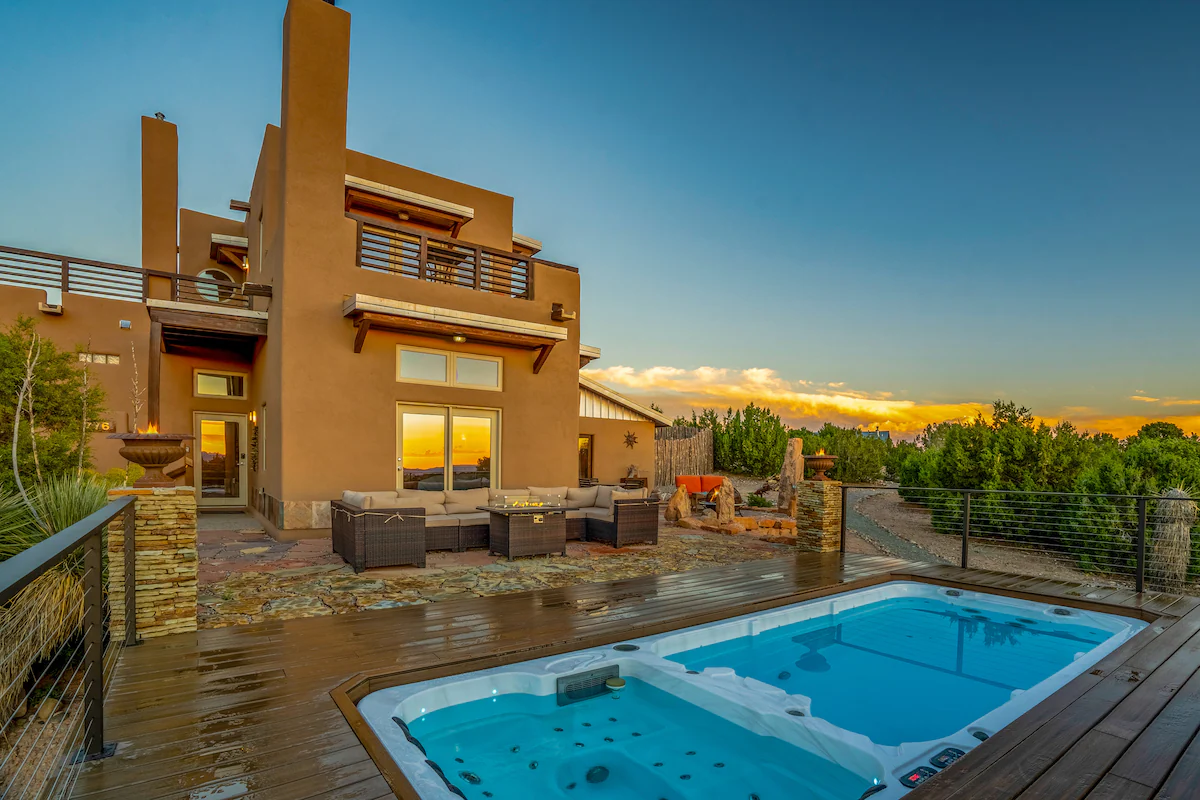
Amenities widen the gap. A pool, a hot tub, a trampoline, a dock or a kayak rack is a feature many homeowners insurers already ask about for the family that lives there. Handed to a rotating set of guests who do not know the home, the same features become the most likely source of a serious injury claim. Rental policies ask about amenities directly and price them, and some add conditions such as fencing, covers or posted rules. Our post on pool and hot tub liability for rentals covers those conditions.
Medical payments coverage is worth checking too. On a homeowners policy it often excludes people who live in the home and may not extend to business guests. On a rental policy it is meant for exactly the minor guest injury that can be settled with a paid bill instead of a claim.
Guest Damage and Theft: The Property Side
The second gap is damage to the home or its contents. A guest leaves a bath running, a party breaks furniture, or a laptop, a television and the good cookware leave with the luggage. A homeowners policy may cover some sudden accidental damage, but several state regulators warn that it may not cover damage to the home or its contents caused by a paying guest. Theft by someone you invited to stay is a frequent exclusion.
Rental policies are built differently. Their property coverage is written with guest occupancy in mind, and many offer theft and vandalism by guests as part of the form or as an endorsement. Platform programs are a separate layer with their own terms. Our post on what the platform covers for hosts explains that layer.
Home-Sharing Endorsements
Some insurers sell an endorsement that adds back part of what a homeowners policy leaves out for paid guests. These endorsements are useful, but they are not uniform, and the details decide whether they fit.
When an agent offers one, ask:
- Does it restore liability for injuries to paying guests, or only property coverage?
- Does it cover theft and vandalism by guests?
- Does it limit how often or how long you can host?
- Does it apply when you are away, or only when you are home during the stay?
- Does it cover lost rental income if a covered loss cancels bookings?
Endorsements tend to suit a host who lives in the home and rents a room or the whole house occasionally, such as during a local event. A home that rents most weekends has usually outgrown them. Our owner-occupied short-term rental page covers the policies built for hosts who live on the property, and the post on renting a room on Airbnb covers the shared-home case in detail.
The Duty to Tell Your Insurer
Policies are priced on what you told the insurer when you applied, and they generally expect that information to stay accurate. Starting to host is a change in how the home is used. The Texas regulator’s advice is to call your agent or insurer before renting, and that is the right order.
Telling the insurer feels risky to some hosts because it may lead to a higher price, an endorsement requirement or a non-renewal. Not telling the insurer carries a larger risk: discovering the gap during a claim, when it is too late to fix.
When you call, describe the hosting plainly: whether you will be home during stays, how often you expect to host, which rooms guests use, and which amenities they can reach. Ask the agent to confirm in writing how the policy treats paying guests after the call, whether that is an endorsement, a note on the file, or a quote for a different policy. Our post on whether your home insurer can drop you for hosting covers how insurers respond and how to switch policies without a gap.
Scenario: The Event Weekend
A homeowner lists the house for a big local festival weekend and moves in with relatives for the stay. A guest trips on a loose stair tread and is hurt. The homeowner reports the claim, and the insurer asks why the injured person was in the house. The answer, a paying guest, leads to questions about business use and whether the insurer was told. Had the host called the agent before listing, an endorsement or a short policy written for rental use could have been in place.
Which Policy Fits, and What It Costs
| How you host | What usually fits |
|---|---|
| Live in the home, host occasionally | Homeowners with a home-sharing endorsement, if offered |
| Rent a room while you live there | Owner-occupied short-term rental policy |
| Rent the whole home regularly | Single-family short-term rental policy |
| Second home rented part of the year | A rental policy that also covers your own stays |
Short-term rental insurance varies, but it ranges from $700 annually for smaller rentals to over $3,000 for larger dwellings. Coastal homes, pools, and higher rebuild costs push toward the top of that range or above it. In our experience, hosts who compare that cost only against their homeowners premium miss the real comparison, which is against a claim the homeowners policy would not pay.
A second home rented only some of the year raises its own questions, which our post on insuring a vacation home rented part of the year works through.
For a policy that fits how you host, read our single-family short-term rental page, then request a quote or call 317-942-0549.
Frequently Asked Questions
Does homeowners insurance cover Airbnb guests?
Often not, or only in part. Homeowners policies are written for a household living in the home and commonly exclude or limit business activity, and regular paid hosting can be treated as a business. Some insurers offer a home-sharing endorsement, but you have to ask for it and it has its own limits.
Will my homeowners insurance pay if a guest damages my home?
It may not. Several state insurance regulators warn that a homeowners policy may not cover damage to the home or its contents caused by a paying guest. Theft by a guest is a common gap, and some policies exclude damage that happens while the home is rented to others.
What happens if an Airbnb guest gets hurt at my house?
The guest may make a claim against you for medical bills and other losses. A homeowners policy may exclude injuries arising from business use of the home, so the claim could fall outside your coverage. A policy written for short-term rental use is designed to answer it.
Do I have to tell my homeowners insurer I host on Airbnb?
You should. Renting the home to paying guests changes the risk the insurer agreed to cover, and policies generally expect you to keep the information you gave them accurate. Telling your agent before you host lets you add an endorsement or switch to the right policy.
What is a home-sharing endorsement?
It is an addition some insurers offer to a homeowners policy that restores some coverage for occasional paid guests. Endorsements vary widely in what they cover, how often you can host, and which losses they still exclude. They usually suit occasional hosting in a home you live in, not a dedicated rental.
How much does short-term rental insurance cost compared with homeowners?
Short-term rental insurance varies, but it ranges from $700 annually for smaller rentals to over $3,000 for larger dwellings. Coastal homes, pools, and higher rebuild costs push toward the top of that range or above it. The right comparison is cost against what the homeowners policy would not pay.
Is the platform’s host protection a substitute for homeowners coverage?
No. Platform host protection programs have their own terms and limits, apply to bookings made through that platform, and are not a policy written on your home. They can sit alongside your own insurance but do not replace a policy that fits rental use.
The Bottom Line on Homeowners Insurance and Hosting
A homeowners policy is built for the people who live in the home, and paid guests sit awkwardly inside it. Business exclusions, guest injury and guest damage are where it most often stops. Occasional hosts in their own home may be able to add a home-sharing endorsement, while a home rented regularly belongs on a policy written for rental use.
Read our owner-occupied short-term rental page, then submit a quote or call 317-942-0549.