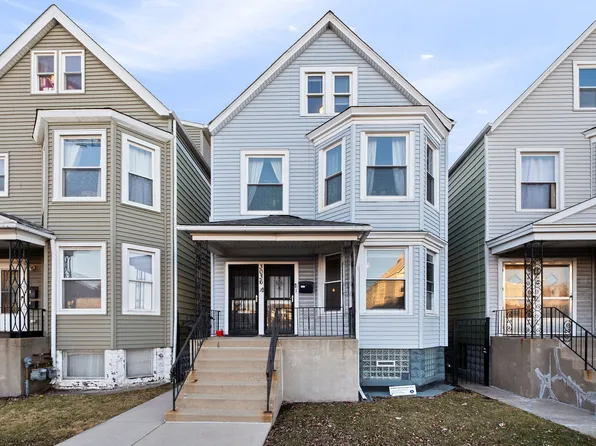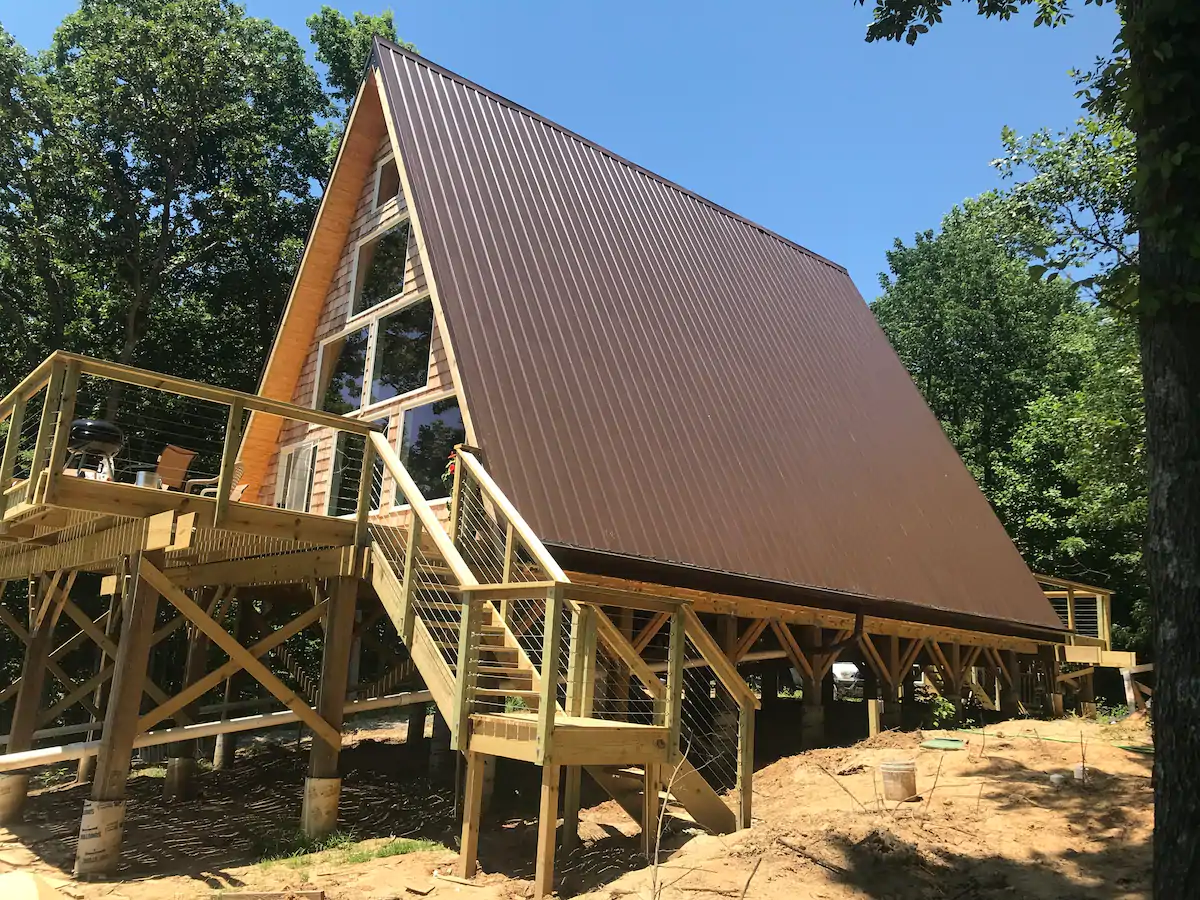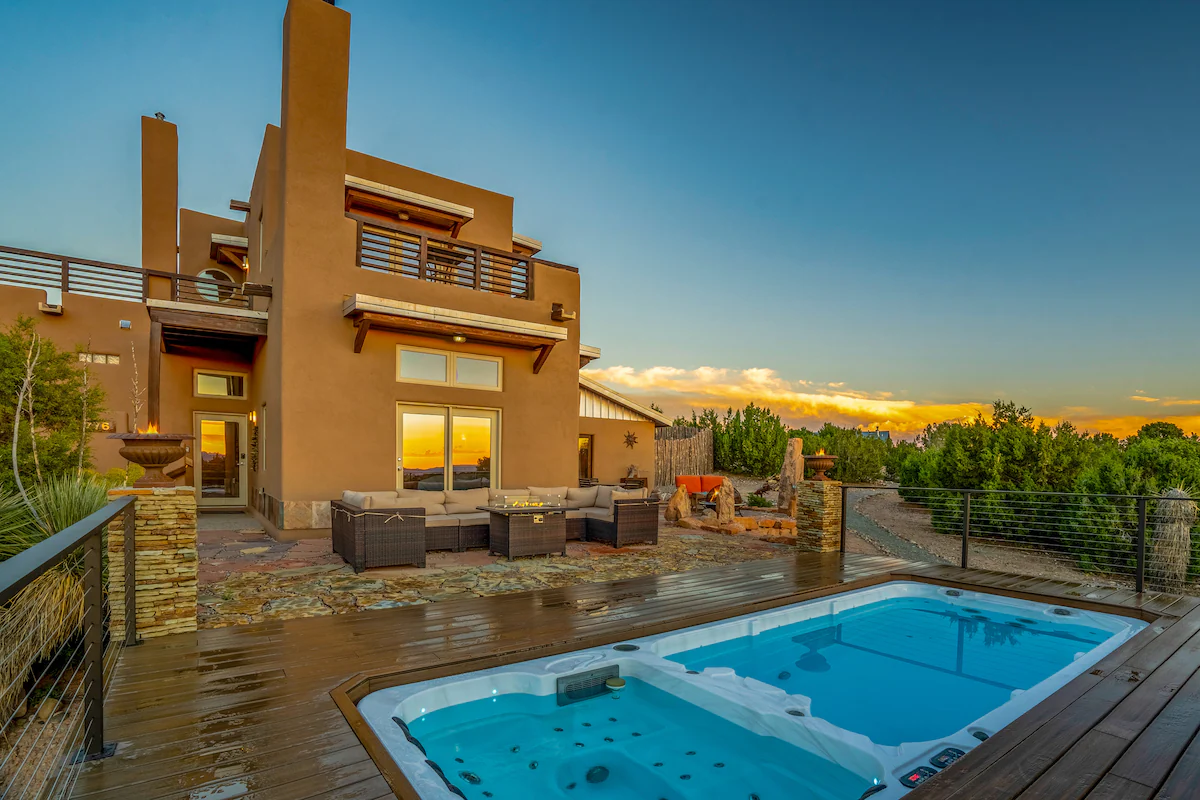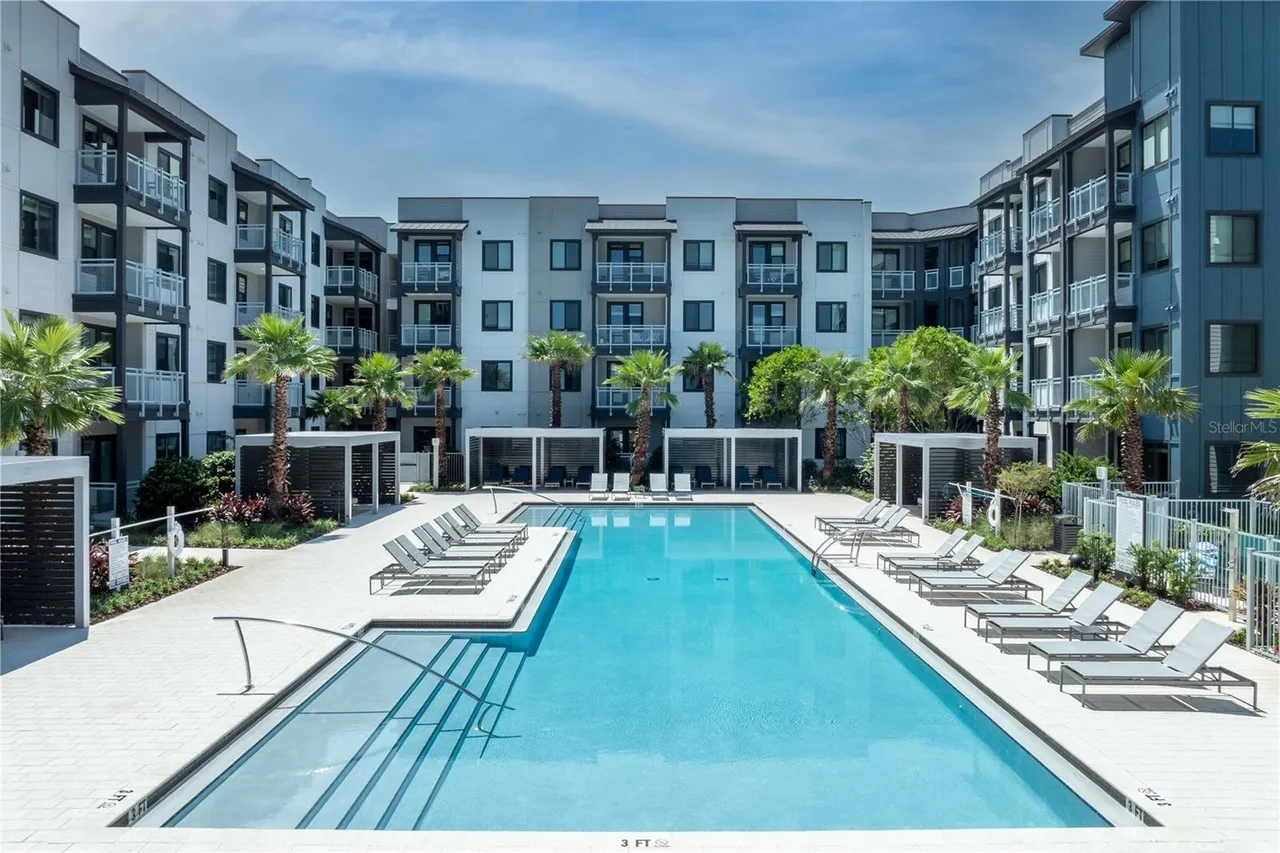
Glamping domes, yurts, platform tents, and tiny homes can be insured as short-term rentals, but often not on the same form as a cabin or a house. Insurers sort each unit by how it is built and anchored: a tiny home on a permanent foundation may be written as a dwelling, while one on wheels may be treated as a vehicle or recreational unit. Heat sources, guest activities, and remote access then decide whether a market will offer terms.
The First Question: Building or Vehicle?
Every underwriter starts with the same sort. Is this structure real property, fixed to the land, or personal property that can be moved? The answer decides which kind of policy is even available.
| Structure | How insurers commonly view it | What they ask |
|---|---|---|
| Tiny home on a permanent foundation | A small dwelling | Construction, utilities, heat, permits |
| Tiny home on a trailer, wheels on | A vehicle or recreational unit | Certification, whether it moves, tie-downs |
| Yurt or dome on a fixed platform | A dwelling or an other structure, depending on the insurer | Fabric or rigid shell, snow and wind rating, heat |
| Canvas tent on a deck | Often contents or not insurable as a building | Seasonal use, takedown, fire spacing |
| Treehouse | A specialty risk | Who built it, how it is attached, the access stairs |
| Converted bus or van | A vehicle | Whether it still runs, how it is plumbed and heated |
The Maryland Insurance Administration’s consumer page on insuring a tiny house frames it the same way: the key factor is whether the home has a fixed foundation or can be moved. It notes that standard homeowners policies typically do not apply, that a motor home may need a recreational vehicle policy, and that some insurers will only cover tiny houses certified by a recognized body. A unit that is uncertified may still be insurable, but expect questions about materials, wiring, and plumbing.
Renting adds a second layer. A recreational vehicle policy is generally written for personal use, and nightly paying guests may fall outside it. The policy has to fit both what the structure is and how it is used.
Main Dwelling, Other Structures, and Contents
Many glamping sites sit on land with a farmhouse or main cabin. On a typical dwelling policy, the main building is the dwelling, and detached buildings such as a garage or shed fall under other structures coverage, usually a limit set as a share of the dwelling limit. That arrangement works for a barn. It rarely works for three rental yurts.
The problem is twofold. The other structures limit may be far too small for several rental units, and many policies exclude or restrict other structures that are rented to someone other than a tenant of the main dwelling. A rental unit that is quietly sitting under that provision may have no real coverage at all.
The better structure is to schedule each rental unit by name with its own limit, either on the property coverage for the site or on a separate policy. Furnishings belong under contents coverage: the beds, linens, rugs, outdoor furniture, and cooking gear in each unit. For canvas tents that come down for the winter, ask how contents in storage are treated.
Heat, Flame, and Fire Response
Fire is the peril that decides most unique-stay submissions. A wood stove in a fabric yurt, a fire pit beside a dome, and propane heaters in a tent are the details underwriters read first.
The U.S. Fire Administration’s heating fire safety guidance says to keep anything that can burn at least 3 feet from heat sources, including wood stoves, and to have chimneys and vents cleaned and inspected at least once a year. In a small round structure with fabric walls, that clearance is hard to keep, which is why insurers ask about stove listings, heat shields, and flue pass-throughs.
Fire pits raise the outdoor version of the same question. Guests who are not used to open flame may leave a fire smoldering. Smokey Bear’s guide on how to put out a campfire teaches drown, stir, drown again, and feel for heat before leaving. Post those steps at every pit, supply a bucket and a shovel, and follow local burn bans.
Remote sites add response time. A unit at the end of a gravel lane, far from a hydrant, will be priced on how long a fire department takes to arrive and whether there is water on site. Note the road surface, the turnaround space, and any pond or tank, because a crew that cannot get an engine up the lane cannot save the unit.
Guest Activities and Liability
A glamping site sells an experience, and the experience is where the liability lives. Hiking trails, creek access, kayaks, paddleboards, horseback rides, archery, hot tubs under the stars, and guided foraging walks all draw guests, and each one is a question on a liability application.
General liability coverage responds when a guest is hurt and you are legally responsible, and it pays for your defense. But many forms exclude or limit watercraft, animals, and organized activities, and some define the insured premises narrowly enough that a trail across your back acreage sits outside them. In our experience, the gap shows up most often with equipment the host supplies, such as kayaks left at the shore with no supervision or waiver.
Practical steps help both safety and underwriting. Mark trails and close the ones you cannot maintain. Light the paths between units, the parking area, and the bathhouse. Keep stairs and decks on raised platforms and treehouses inspected. If you offer activities run by someone else, require that operator to carry its own insurance and name you as an additional insured. For larger sites, an umbrella policy adds limit above the primary layer.
Scenario: The Yurt Under the Farmhouse Policy
An owner adds two yurts and a tiny home on a trailer to a wooded lot behind the family farmhouse and starts listing them. The farmhouse policy is a standard homeowners form, and the owner assumes the yurts fall under other structures coverage. A guest knocks over a lantern, and one yurt burns. The adjuster points to the restriction on structures rented to the public, and the tiny home, registered as a trailer, turns out to have no rental coverage either. Scheduling each unit and disclosing the rental use before the first booking would have answered both questions.
Remote Access, Weather, and Lost Income
Unique stays tend to be where the land is cheap and the views are good, which also means steep lanes, seasonal roads, and weather that hits harder. Fabric structures have wind and snow load ratings from the manufacturer. Keep those documents, follow the anchoring instructions, and note whether units are taken down or winterized in the off season.
Lost income matters more on a small site than many owners expect. If a fire or a falling tree takes out the main bathhouse or the well, every unit may be unrentable even if they are undamaged. Ask how loss of rents coverage responds when shared facilities are damaged, and whether income is covered for units that are physically fine but cannot be booked.
Seasonal use raises one more point. Many dwelling policies restrict coverage when a building is vacant or unoccupied for long stretches. A canvas tent site that closes for the winter should confirm how the policy treats the off season, and our post on off-season vacancy and short-term rental coverage covers that question in detail.
Local Approvals Come First
Counties and towns regulate where a yurt, dome, or tiny home can sit, whether people can sleep in it overnight, whether it needs a building permit or septic approval, and whether it can be rented to the public. Some treat a cluster of units as a campground or lodging use rather than a home. Rules vary widely, and they can change.
Before you build or list, check with your county planning or zoning office, the building department, and the local health department if there is a bathhouse or septic system. Insurers ask whether a unit is permitted, and a unit that was never approved for occupancy is harder to insure and harder to defend after a loss.
What It Costs and What to Send
Short-term rental insurance varies, but it ranges from $700 annually for smaller rentals to over $3,000 for larger dwellings. A glamping property with several units, wood stoves, a hot tub, and guided activities usually sits toward the top of that range or above it, because each unit and each activity adds exposure.
To get accurate terms, send:
- A site map showing every unit, the main house, the bathhouse, and the access road.
- For each unit: the type, the size, the foundation or platform, the materials, and the year built.
- Make and model of each stove or heater, with installation details and chimney service records.
- Any certification for tiny homes, and whether wheels are attached.
- Every guest activity and every piece of equipment you supply.
- Local approvals for placement, occupancy, and rental use.
- Fire department distance and any water source on site.
Our cabin and mountain rental insurance page covers the rural properties these sites usually sit beside. To put your site in front of the right markets, request a quote or call 317-942-0549.
Frequently Asked Questions
Can you insure a glamping dome or yurt as a rental?
Often, yes, but not always on a standard dwelling form. Some insurers treat a permanent yurt or dome on a fixed platform as a dwelling, while others write it as an other structure or decline it. The answer turns on the foundation, the materials, the heat source, and how guests use it.
How do you insure a tiny home on wheels that you rent to guests?
A tiny home on a trailer is often treated as a vehicle or recreational unit rather than a building, which can point it toward a different kind of policy. Whether it can be rented nightly under that policy is a separate question. Tell your agent whether the wheels stay on and whether the unit is ever moved.
Does my homeowners policy cover a glamping tent in my backyard?
Usually not once paying guests sleep in it. Homeowners policies are written for personal use, and many restrict or exclude business activity, including renting structures to the public. A rental structure on your land should be disclosed and insured for that use.
How much does glamping or tiny home rental insurance cost?
Short-term rental insurance varies, but it ranges from $700 annually for smaller rentals to over $3,000 for larger dwellings. Several units on one site, wood stoves, hot tubs, and remote locations push a glamping property toward the top of that range or above it.
Are wood stoves allowed in insured yurts and tiny homes?
Many insurers will consider them, but they ask how the stove was installed, whether it is a listed appliance, what clearances and chimney work are in place, and who maintains it. An unlisted or self-installed stove is one of the most common reasons a unique stay is declined.
Does liability insurance cover guests on hiking trails or kayaks at my glamping site?
It depends on how the policy describes the premises and its exclusions. Watercraft, horses, and organized activities are often excluded or limited, and trails on your land may or may not be treated as part of the insured premises. List every activity you offer on the application.
Do I need permits to rent a yurt or tiny home to guests?
Often, yes. Counties and towns regulate where these structures can be placed, whether they can be occupied, and whether they can be rented to the public, and rules vary widely. Check with your county planning or zoning office and building department before you build or list.
The Bottom Line on Glamping and Tiny Home Rentals
Unique stays are insurable, but each structure gets its own answer. Know whether each unit is a building or a vehicle, document how it is heated and anchored, list every guest activity, and confirm local approvals before you build. Then insure the buildings, the contents, the liability, and the income as one program.
Our cabin and mountain rental page covers rural sites in more depth. To put a site in front of underwriters, request a quote or call 317-942-0549.