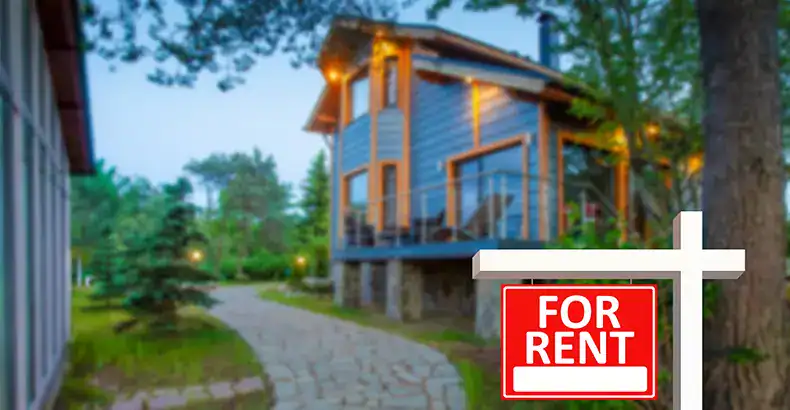
Ohio cabin rental insurance for Hocking Hills, Mohican or Amish Country starts with a policy written for paid guest stays, not a homeowners form. The cabin, its contents, guest liability and lost booking income all need coverage. What sets these cabins apart is the mix: hot tubs, fire pits and wood stoves inside the fence, and steep wooded ground, big old trees and long fire department response outside it. Each one is a question on the application.
Three Cabin Markets, One Set of Questions
Ohio’s cabin rentals cluster in three places, each with its own terrain and guest.
| Market | Where | What shapes the risk |
|---|---|---|
| Hocking Hills | Around Logan in Hocking County | Gorges, cliffs and hollows, steep drives, hot tub cabins |
| Mohican | Around Loudonville, in Ashland and Richland counties | River trips, wooded hillsides, group cabins |
| Amish Country | Holmes County and nearby | Rural roads, farmhouses and cottages, quiet-country guests |
Guests come for a weekend in the woods, often from Columbus, Cleveland and the surrounding suburbs. That means a full house on Friday and Saturday, couples and family groups, and a lot of time around the hot tub and the fire. It also means cabins that sit empty midweek, which matters in winter.
Most of these properties fit our cabin and mountain rental program more than a standard single-family form. A converted farmhouse in Amish Country may sit closer to a single-family rental.
Hot Tubs and Fire Pits Are the Liability Center
In Hocking Hills especially, the hot tub is the listing. Guests use it late at night, sometimes after drinking, and the deck around it can freeze in winter. Insurers ask whether there is a locking cover, whether rules are posted, and who services the water between stays. The Consumer Product Safety Commission’s pool and spa safety tips call for barriers that keep unsupervised children away from the water and for drain covers that meet federal safety standards. Both apply to a cabin hot tub.
Fire pits and fire tables are the other draw. Keep them on a noncombustible surface, away from the cabin, the deck rail and overhanging branches. Post a rule about putting fires out, and leave a bucket or extinguisher beside the pit. Some hosts switch to gas fire tables for the control they give.
Our post on pool and hot tub liability for short-term rentals lists what insurers ask about water, and our general liability coverage page explains the base layer. With a hot tub, a fire pit and a group of guests, an umbrella is common.
Wood Stoves and Fire Response Far From Town
Many Ohio cabins have a wood stove or wood-burning fireplace. Guests love them and do not know how to run them. The U.S. Fire Administration’s heating fire safety guidance says to keep anything that can burn well away from heat sources and to have chimneys and vents cleaned and inspected by a professional every year. Keep the receipts. They are the first thing an adjuster asks for after a chimney fire.
The setting raises the stakes. Cabins in the hollows of Hocking County and the hills around Loudonville often sit at the end of long gravel drives, on township roads, far from a hydrant. Fire departments may be volunteer, and response takes longer than in town. Insurers price distance to the fire station and to water, and remote cabins usually cost more to insure. Monitored smoke and carbon monoxide alarms, extinguishers on each floor, and a clear address sign at the road help when every minute counts.
Gorges, Cliffs, Trails and the River
Hocking Hills is known for sandstone cliffs, recess caves and gorges, and many cabins sit on the same ground. Owners build paths to overlooks, stairs down to a creek, or a trail loop through the property. Each one is something you are inviting guests to use, and that shapes your liability if someone falls.
- Mark and light any path you show in the listing.
- Fence or rail the edge of any drop near the cabin or deck.
- Tell guests in writing which parts of the land are off limits.
- Keep stairs and bridges in repair, and inspect them each season.
Around Mohican, the draw is the river. Many cabins are a short drive from canoe and kayak liveries. If you supply boats, tubes, ATVs or golf carts yourself, ask your agent first. Watercraft and motorized vehicles are often excluded from rental liability or need their own coverage. Pointing guests to a licensed outfitter keeps that risk with the outfitter.
Wooded Lots and Falling Trees
The trees that make a cabin feel remote are also its most common property claim. Wind, ice storms and heavy wet snow bring down limbs and whole trees, and Ohio’s woods hold plenty of dead and declining trees. A tree near the cabin, the hot tub or the drive is worth an arborist’s look before it becomes a claim.
Our property coverage page explains how the dwelling and other structures are covered. Ask how your policy treats detached structures such as a hot tub gazebo, a shed or a covered fire pit area, since they are often covered under a separate, smaller limit.
Scenario: The Path to the Overlook
A host builds a short trail from the cabin deck to a rock ledge that looks over a hollow, and features it in the listing photos. The trail has no lighting, and the edge has no rail. A guest walks out after dark to see the stars, misjudges the last step and falls onto the rocks below. The guest’s claim alleges that the host invited guests to use the trail without making it safe. The host’s rental liability coverage responds and defends the claim, and the host’s insurer asks at renewal that the trail be lit, railed or closed. A rope line and solar path lights would have been a small cost next to the claim.
Freeze and Winter Weekends
Winter is a busy season here, with guests booking hot tub weekends in the snow. Between those weekends, cabins sit empty. A furnace that fails midweek, or a power outage on an ice-covered ridge, can freeze a pipe before the cleaner arrives. Remote temperature sensors and leak detectors are the cheapest protection a cabin can have, and some insurers ask for them. Many policies cover freeze damage only if heat was maintained, so keep the thermostat at a safe setting and have someone check the cabin after a hard cold snap.
Steep gravel drives are a winter liability issue too. Arrange plowing and treating, keep a log, and tell guests in the listing if a four-wheel-drive vehicle is needed.
Lodging Tax and Local Rules
Hocking County’s lodging tax office says short-term rental operators in the county must register, collect and remit the county lodging tax, with filings due monthly. Ashland, Richland and Holmes counties have their own lodging tax arrangements, and townships can have zoning rules for rentals. Check with the county auditor or lodging tax office and the township before you buy.
What It Costs
Short-term rental insurance varies, but it ranges from $700 annually for smaller rentals to over $3,000 for larger dwellings. Large Hocking Hills cabins with hot tubs, game rooms, wood stoves and long fire response push toward the top of that range or above it. A small cottage near Loudonville or Berlin with no hot tub usually sits lower. In our experience, the details that move an Ohio cabin quote most are guest count, the amenity list, distance to the fire station, and the condition of the roof and the trees above it.
A cabin quote moves faster when the application arrives complete. Before you ask for one, gather:
- The maximum guest count and number of bedrooms.
- A list of amenities: hot tub, sauna, fire pit, wood stove, game room, pond or creek access.
- The year of the roof, furnace and electrical updates.
- The last chimney cleaning and hot tub service records.
- Photos of the decks, stairs, trails and any drop-offs.
- Any claims in the last few years, including those under a prior owner if you know them.
Our Ohio page covers the rest of the state’s rental markets. For a cabin quote, request a quote or call 317-942-0549.
Frequently Asked Questions
What insurance do I need for a Hocking Hills cabin rental?
You need a policy written for short-term rental use that covers the cabin, its contents, guest liability and lost booking income. Most Hocking Hills cabins also benefit from an umbrella because of hot tubs, fire pits and wooded terrain. A homeowners policy usually excludes or limits paid guest stays.
How much does cabin rental insurance cost in Ohio?
Short-term rental insurance varies, but it ranges from $700 annually for smaller rentals to over $3,000 for larger dwellings. Large cabins with hot tubs, game rooms, wood stoves and long distances to a fire station push toward the top of that range or above it.
Does my policy cover a tree falling on my cabin?
Generally yes, when a covered peril such as wind or ice brings the tree down onto the cabin, subject to the deductible. Removal of the tree is often covered only up to a set limit, and trees that fall without hitting anything may not be covered at all. Check both points with your agent.
Are wood-burning stoves a problem for insuring an Ohio cabin rental?
Not necessarily, but insurers will ask about installation, chimney cleaning and whether guests can use the stove. Some prefer that guests have gas or electric heat only. Keep records of professional inspection and cleaning.
Am I liable if a guest gets hurt on a trail on my property?
You can be, if the injury is tied to a condition on your land that you knew about or should have fixed. Your liability coverage generally responds to those claims, subject to its terms. Mark and light any path you invite guests to use, and keep them away from cliff edges.
Do Hocking County cabins have to collect lodging tax?
Yes. Hocking County’s lodging tax office says short-term rental operators in the county must register, collect and remit lodging tax. Other counties around Mohican and Amish Country have their own lodging tax offices, so check with the county where the cabin sits.
Can I let guests use kayaks, canoes or ATVs at my cabin?
Ask your agent first. Watercraft and motorized vehicles are often excluded from rental liability policies or need separate coverage. Many hosts point guests to licensed outfitters instead of providing the equipment themselves.
The Bottom Line for Ohio Cabin Hosts
An Ohio cabin rental is insured for its amenities and its setting: hot tubs, fire pits and wood stoves on the inside, and steep wooded ground, old trees and long fire response on the outside. Write the policy for paid guest stays, carry enough liability for the amenities you advertise, and keep records of chimney cleaning, hot tub service and snow removal.
Read our Ohio page, then submit a quote or call 317-942-0549.