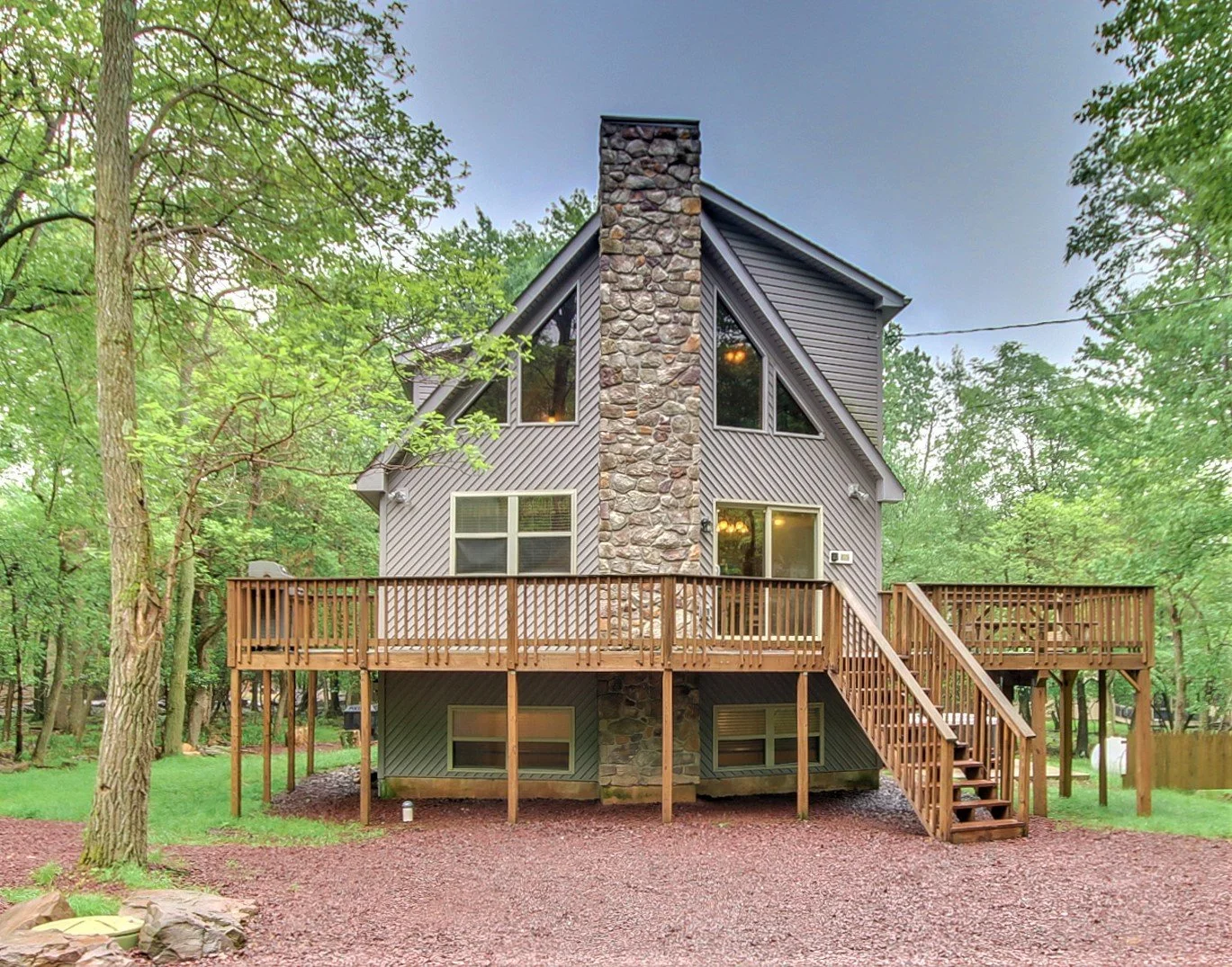

Cape Cod vacation rental insurance needs to cover a house that is full of guests all summer and empty through the winter storms. That means a policy written for paid guest stays, a wind deductible you understand before a nor’easter or named storm arrives, a separate flood policy for low-lying and waterfront homes, and vacancy terms that fit a cottage closed from fall to spring. Older shingled homes add rebuild cost to every one of those questions.
Upper, Mid and Outer Cape, Plus the Islands
The Cape is not one rental market. Exposure changes as you move from the canal toward Provincetown.
| Area | Towns | What shapes the risk |
|---|---|---|
| Upper Cape | Bourne, Sandwich, Falmouth, Mashpee | Buzzards Bay and Vineyard Sound shoreline, year-round neighborhoods |
| Mid Cape | Barnstable and Hyannis, Yarmouth, Dennis | Dense rental stock, south-facing beaches, harbors |
| Lower and Outer Cape | Harwich, Chatham, Brewster, Orleans, Eastham, Wellfleet, Truro, Provincetown | Open ocean exposure, dunes, older cottages, long drives |
| The islands | Martha’s Vineyard, Nantucket | Ferry access, high rebuild costs, historic rules |
On the islands, contractors and materials arrive by boat and repairs take longer, which matters for both the dwelling limit and lost rent. Our Massachusetts cost guide covers how island pricing compares with the mainland.
Wherever the house sits, the summer guest is much the same: families and groups who spend the day at the beach and the evening on the deck. That shapes the liability side. Outdoor showers get slippery, exterior stairs to roof decks and widow’s walks get crowded, and bikes, kayaks and paddleboards left for guests can lead to injuries off the property. Ask your agent before you supply boats or bikes, since watercraft and some recreational equipment are often excluded or limited. Keep decks and railings in repair, light the paths from the driveway, and post rules for the pool or hot tub if you have one. Our general liability coverage page explains the base layer, and an umbrella adds limit for larger houses that sleep several families at once.
Nor’easters, Named Storms and the Wind Deductible
Cape Cod gets wind from two directions in the calendar. Named storms track up the coast in late summer and fall, and nor’easters hit from fall through early spring, often when the house is closed. Many coastal policies carry a separate wind deductible. Some apply it only to a named storm or hurricane. Others apply it to any windstorm. It is often a percentage of the dwelling limit, so it grows with the value of the house.
Before the season, read the trigger on your declarations page and set aside the deductible. Confirm whether a nor’easter counts. Ask how the policy values an older roof, since a worn roof may be paid on a depreciated basis. Our beach house rental page explains how coastal programs are put together.
The FAIR Plan as a Market
When the regular market will not write a coastal Massachusetts home, owners can turn to the Massachusetts Property Insurance Underwriting Association, known as the FAIR Plan. The state’s page on the association describes it as coverage of last resort for property owners who cannot get basic insurance elsewhere, backed by insurers rather than the state. It lists windstorm or hail among covered perils, does not cover flood, and requires a separate flood policy for new policies on homes in mapped special flood hazard areas in coastal communities.
The FAIR Plan provides basic property coverage. It is not built around paid guest stays. A Cape rental placed there for the dwelling still needs liability and lost rent addressed for the rental use. Ask your agent how the pieces fit before you assume one policy covers it all. In our experience, the cleanest Cape programs are the ones where the owner sees the rental policy, the wind arrangement and the flood policy side by side, with each deductible written next to it.
Flood Zones on the Cape
Flood is excluded from rental, homeowners and FAIR Plan policies. FloodSmart, the federal flood program’s consumer site, explains that Zones V and VE are high-risk coastal areas with an additional hazard from storm waves, and that flood insurance is mandatory for federally backed mortgages in high-risk zones in participating communities. Barrier beaches, harborfront lots and land along salt marshes and tidal rivers can all sit in those zones.
Flood risk on the Cape is not only the oceanfront. Storm tides push water up harbors, bays and marsh creeks, and houses well back from the beach can take water. Check the flood zone and the elevation certificate before you buy. Federal flood policies generally carry a waiting period, so buy early. Our flood insurance page compares federal and private options.
Older Shingle-Style Homes
Much of the Cape’s rental stock is older: shingled cottages, capes and saltboxes, and summer houses added onto over decades. They rent well and insure carefully.
- Rebuild cost. Cedar shingles, custom trim and skilled labor raise the cost to rebuild above what square footage suggests. Insure to true replacement cost.
- Code upgrades. A major loss can require a rebuild to current wind and flood codes. Ordinance and law coverage helps pay for that gap.
- Systems. Older wiring, plumbing and heating raise the chance of a loss. Insurers ask when each was updated.
- Local review. Historic districts and local commissions, especially on the islands, can require specific materials in a rebuild.
Summer Only: The Closed-Up Cottage
Many Cape rentals earn their year between June and Labor Day, with shoulder weekends on either side, and then close. The water is shut off, the furniture is covered, and the owner checks in now and then. That pattern is where coverage gaps hide.
Many policies limit coverage for some losses, such as vandalism or glass breakage, after a home has been vacant for a set period. Freeze coverage usually depends on keeping the heat on or shutting off and draining the water. A storm that damages a roof in December can let water in for weeks before anyone notices, and long-term water damage is often excluded.
Our post on off-season vacancy and short-term rental coverage explains vacancy wording in more detail.
Scenario: The October Nor’easter
An owner closes a shingled rental on the Lower Cape after the October holiday weekend, drains the plumbing, and plans to return in April. A strong nor’easter in late fall strips shingles from the roof over a back bedroom. Nobody checks the house until a neighbor notices a tarp-sized gap months later. By then rain and snowmelt have soaked the ceiling and walls, and mold has spread. The wind damage to the roof is covered after the deductible, but the insurer questions the long-running water damage inside, which the policy treats differently from sudden damage. A caretaker visit after each storm would have caught it the next day.
The State Registry and Town Rules
The Massachusetts Department of Revenue runs a public registry of lodging operators. Its page says operators of short-term rentals that are not exempt must register through MassTaxConnect, list their properties, and receive a registration certificate for each one. It also says cities and towns may have separate registration or licensing requirements.
Cape towns set their own rules, and several have adopted local registration or local taxes. Check with the town where the house sits before you list, and keep both registrations current.
What It Costs and a Cape Checklist
Short-term rental insurance varies, but it ranges from $700 annually for smaller rentals to over $3,000 for larger dwellings. Waterfront homes, older shingled houses with high rebuild costs, and pools push toward the top of that range or above it, and flood is priced on top.
- Read the wind deductible trigger, and confirm whether a nor’easter counts.
- Check the flood zone and buy flood early.
- Insure the house to its true rebuild cost, with ordinance and law.
- Register with the state and the town.
- Set winter check-ins and inspect after every storm.
- Tell your agent when the house closes for the season.
Our Massachusetts page covers the rest of the state. For a Cape quote, request a quote or call 317-942-0549.
Frequently Asked Questions
What insurance do I need for a Cape Cod vacation rental?
You need a policy written for short-term rental use that covers the house, contents, guest liability and lost booking income, plus a separate flood policy if the home is near the water. Coastal homes may carry a separate wind deductible or need wind placed elsewhere. A homeowners policy usually excludes or limits paid guest stays.
How much does Cape Cod rental insurance cost?
Short-term rental insurance varies, but it ranges from $700 annually for smaller rentals to over $3,000 for larger dwellings. Waterfront homes, older shingled houses with high rebuild costs, and pools push toward the top of that range or above it, and flood is priced separately.
What is the Massachusetts FAIR Plan?
The FAIR Plan is the Massachusetts Property Insurance Underwriting Association, a coverage source of last resort for residential property owners who cannot get insurance elsewhere. It is backed by insurers, not the state. It does not cover flood, so a separate flood policy is still needed.
Do I have to register my Cape Cod rental with the state?
Yes, unless exempt. The Massachusetts Department of Revenue says short-term rental operators must register through MassTaxConnect and receive a certificate for each property. Towns can have their own registration or licensing rules on top of the state’s.
Is my Cape house covered while it sits empty all winter?
It can be, but many policies limit coverage for some losses after a home has been vacant for a set period, and freeze coverage usually depends on heat or correct draining. Tell your agent the home is closed for the season and ask what conditions apply.
Does a nor’easter trigger a hurricane deductible?
It depends on the policy wording. Some wind deductibles apply only to named storms or hurricanes, while others apply to any windstorm. Read the trigger on your declarations page before the storm season, not after.
Do I need flood insurance if my Cape house is not on the water?
It is worth considering. Low-lying land near marshes, harbors, bays and tidal rivers can flood in storms even well back from the beach. Check the FEMA flood zone and the elevation, and remember that federal flood policies generally have a waiting period.
The Bottom Line for Cape Cod Hosts
A Cape Cod rental needs to be insured for two seasons: a busy summer full of guests and a quiet winter of nor’easters with nobody home. Know the wind deductible and the flood zone, insure older shingled homes to their true rebuild cost, register with the state, and set up winter checks so a storm does not go unnoticed for weeks.
Read our Massachusetts page, then submit a quote or call 317-942-0549.