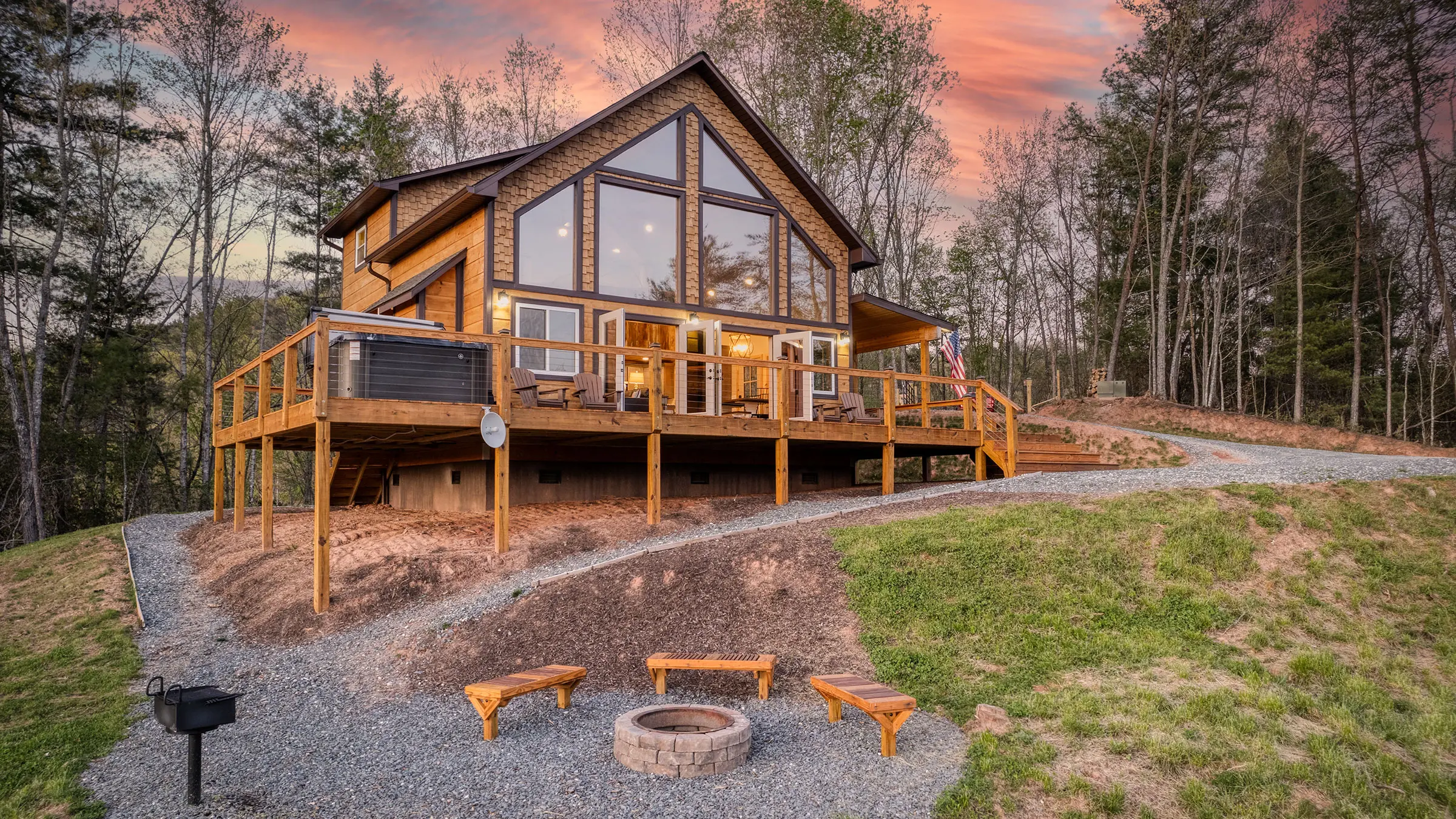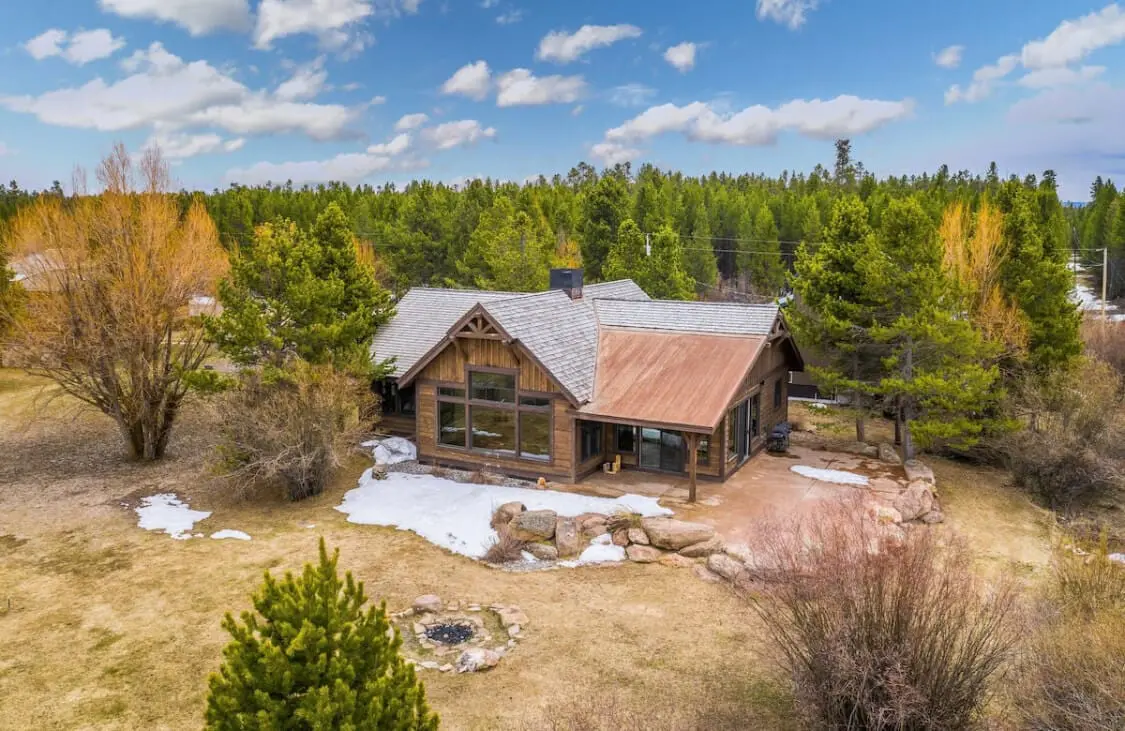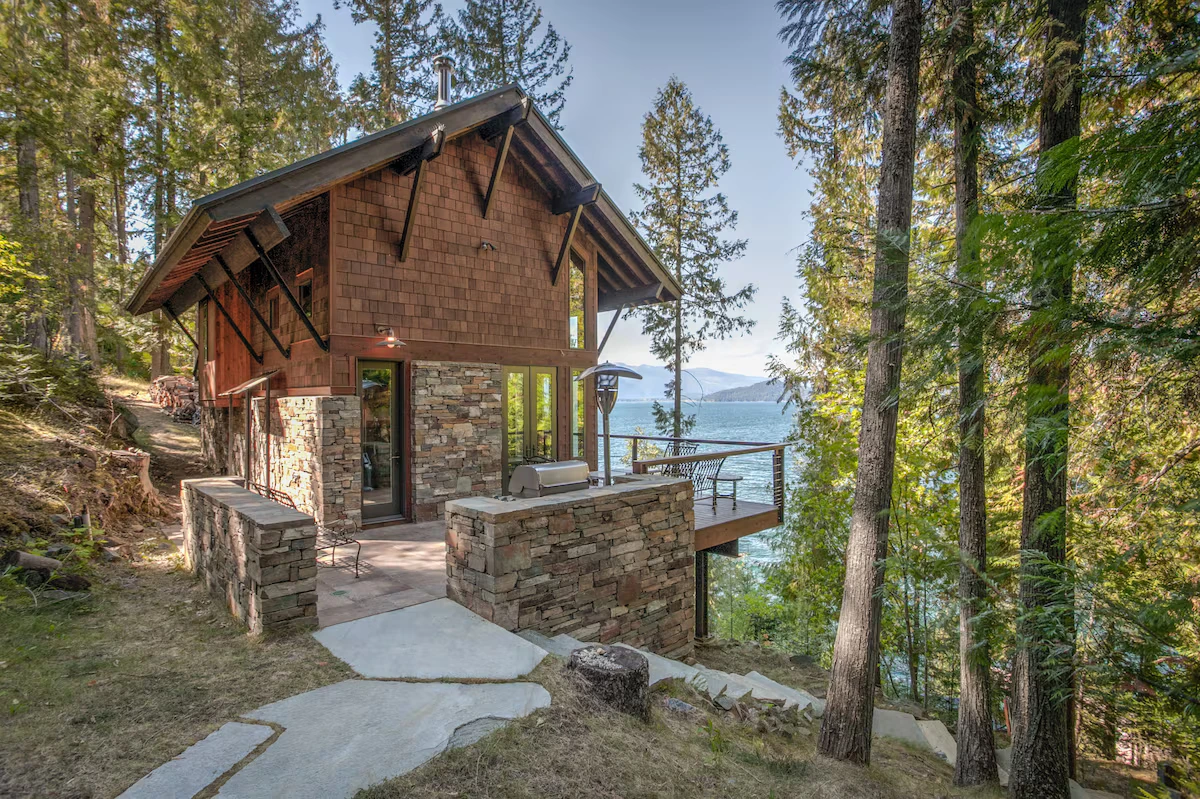
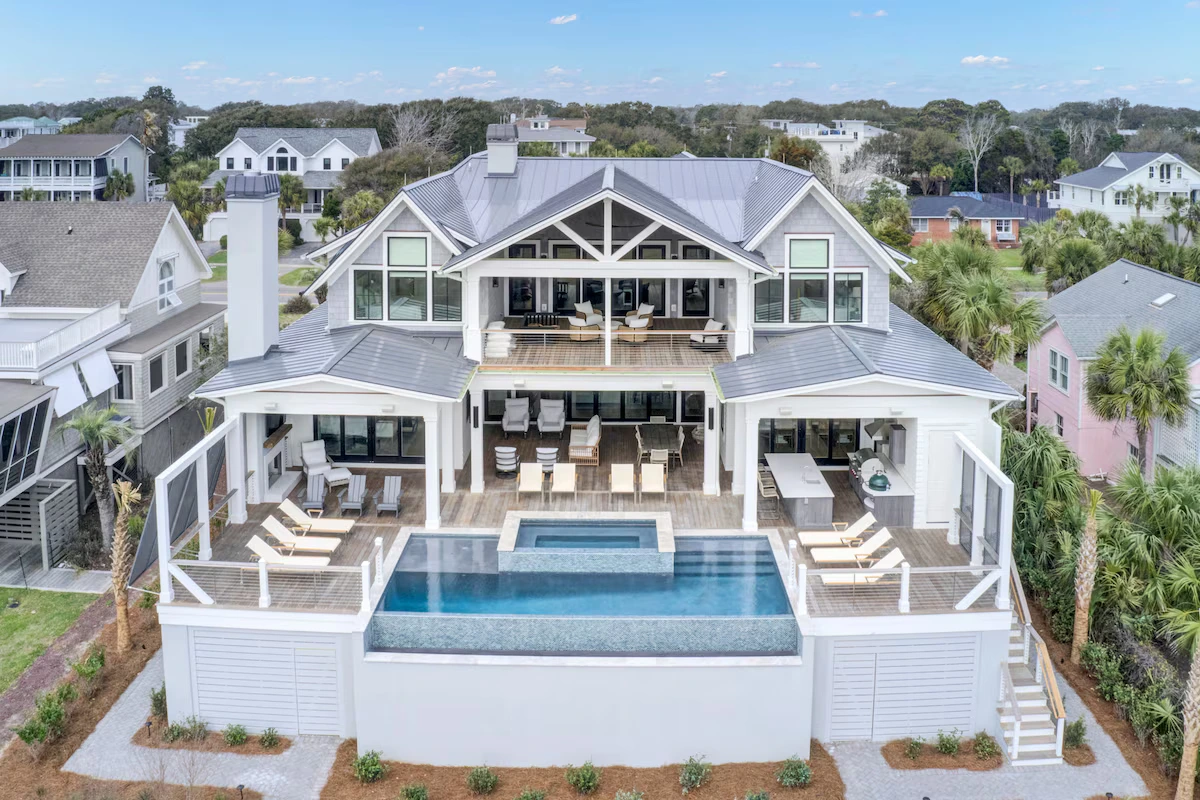
Short-term rental insurance cost in Massachusetts is not one number — it is several, because the state runs on two separate peak seasons and two very different coasts-and-country risk stories. What you pay depends on where the property sits and what it is exposed to: named-storm and nor’easter wind with coastal flood on Cape Cod and the islands, a fall-and-winter amenity season in the Berkshires, or municipal registration and older construction in Boston and Cambridge. Layer in the rebuild cost of the structure, guest capacity and amenities, the coverage lines you actually carry, and how the property operates, and you have the real answer to “how much does it cost?” — a quote on your specific property.
This guide walks through what genuinely moves a Massachusetts premium, how the coastal and inland markets differ, the coverage gap we see most often here, and how to lower the cost without hollowing out the policy. For the national picture behind all of it, start with the national cost guide.
What Sets Short-Term Rental Insurance Cost in Massachusetts
Massachusetts pricing starts with the coast, because that is where the largest exposure sits. On Cape Cod, Nantucket, and Martha’s Vineyard, a property faces named-storm and nor’easter wind — the state’s wind risk is not only hurricanes tracking up the Eastern Seaboard but the powerful winter coastal storms that batter the same shoreline. That wind exposure, unlike a southern hurricane coast that peaks in a single season, arrives in two forms across the calendar, and carriers rate it accordingly.
The second driver is coastal flood. Barrier beaches, harborfront lots, and low-lying tidal-marsh edges take storm surge and tidal flooding, and flood is excluded from every standard property form. On the islands and the outer Cape, the flood line is frequently the difference between a program that responds and one that leaves the largest possible loss uninsured.
The third is the rebuild cost of the structure. Coastal Massachusetts carries high-value seasonal stock — shingled beach houses, historic captains’ homes, island properties with long build times and premium materials. Dwelling coverage is rated on replacement cost, and a slow, materials-scarce island rebuild costs more than square footage alone suggests. Inland, a Berkshires country home or cabin is rated on its own construction and any outbuildings.
The fourth is guest capacity and amenities. Liability is priced on how many people are in the property and what they can be hurt on — pools, hot tubs, docks, and large-group capacity all lift general liability exposure whether the property sits on the Cape or in the hills.
The fifth is the regulatory and operating layer. Massachusetts treats short-term rentals as a regulated lodging use, and Boston and Cambridge add municipal registration on older, often triple-decker stock. Whether the property is owner-occupied or investor-held decides which dwelling form is correct — an underwriting fact, not a formality.
Why There Is No Single Massachusetts Number
Ask two Massachusetts hosts what they pay and you will get two answers that are both right, because they are not insuring the same risk on the same clock.
A statewide average would blend a barrier-island beach house exposed to surge and winter wind, an inland Berkshires cabin whose busy weeks are fall foliage and ski season, and an owner-occupied triple-decker unit in Cambridge bound by city registration. None of those three hosts would recognize the midpoint as their number, because the drivers point in opposite directions — one is a wind-and-flood story, one is an amenity-and-season story, and one is a registration-and-construction story. Averaging them hides the exact information a host needs.
There is a second reason the single-number framing fails here: the state has two non-overlapping peak seasons, so the timing of an outsized loss depends on which Massachusetts you are in. A storm that closes a Nantucket cottage in August erases the whole income window; a covered loss that sidelines a Berkshires cabin does its damage in October or January. Carriers do not price “Massachusetts” — they price the season, the shoreline, and often the specific parcel. That is why we quote off your property through the quote form rather than a calculator.
Cost by Coverage Type
A Massachusetts short-term rental program is assembled from several lines, each rated on its own logic. Reading them individually is how you tell a fair quote from a thin one.
General Liability
General liability answers for third-party bodily injury and property damage from guest stays — a fall on an icy Berkshires walkway, an injury at a Cape pool. On amenity-heavy coastal and lakefront properties this is the line most sensitive to capacity and features. See general liability for short-term rentals.
Property and Dwelling
The dwelling line covers the structure on a form that expects paid guest turnover, not continuous owner occupancy, and it is rated on replacement cost. On the coast this is where the wind exposure lives; on the islands the slow, materials-scarce rebuild raises the number. See property and dwelling coverage.
Loss of Rents and Extended Period of Restoration
Loss of rents replaces income while a covered loss makes the property unrentable. In a state with two compressed seasons, a loss inside either window is outsized, and an extended period of restoration endorsement matters where a coastal or island rebuild runs long. See loss of rents coverage.
Ordinance and Law
Ordinance and law covers the gap between rebuilding what was there and rebuilding to current code — and Massachusetts is heavy with older coastal stock and triple-decker urban construction where that gap is real. It is one of the most frequently omitted lines. See ordinance and law coverage.
Flood
Flood is excluded from essentially every standard property policy and bought separately, most often through the National Flood Insurance Program — FloodSmart is explicit that most homeowners insurance does not cover flood damage. On barrier beaches, harborfronts, and tidal edges across the Cape and islands, it is not optional in practice. See flood insurance.
Umbrella and Excess
An umbrella stacks higher limits over the primary liability layer, and it is usually one of the most cost-efficient lines for a property that sleeps a large group or carries a pool, hot tub, or dock. See umbrella and excess liability.
Cost by Major Massachusetts Market
Massachusetts is not one short-term rental market — it is a coast, a set of islands, an inland highland region, and two dense cities, each pricing on different dominant drivers.
| Market archetype | Dominant cost driver | Main property-side concern | What a covered loss interrupts |
|---|---|---|---|
| Cape Cod | Named-storm and nor’easter wind | Wind and flood deductible structure | The summer income window |
| Nantucket and Martha’s Vineyard | Coastal wind, flood, and island rebuild cost | High-value seasonal construction | A short, high-value summer season |
| The Berkshires | Amenity density and guest capacity | Construction and outbuildings inland | The fall-and-winter peak |
| Boston and Cambridge | Municipal registration and ordinance rules | Older or triple-decker construction | Urban repair displacement |
Cape Cod carries the state’s classic coastal load — named-storm and nor’easter wind, coastal flood, and a summer season a storm can close in one stroke. A Cape beach house is rated on the wind and flood structure before anything else. Nantucket and Martha’s Vineyard add island rebuild cost and high-value seasonal stock on top of that same exposure, which is why they typically sit at the top of the state’s range. The Berkshires flip the story: inland cabins and country homes priced on amenity-driven liability and construction, their busy weeks in autumn and winter — a Berkshires cabin is a season-and-amenity risk, not a coastal one. Boston and Cambridge price on municipal registration and older construction, and on whether the unit is an owner-occupied rental or an investor-held property.
For the fuller regulatory and peril picture, see our Massachusetts short-term rental insurance page.
The Most Common Massachusetts Coverage Gap
The most common Massachusetts short-term rental coverage gap is the same one we see everywhere, sharpened by the state’s seasonal economics: a seasonal property still insured on the homeowners policy it carried as a family second home.
The pattern is almost universal on the Cape and islands. A family owns a summer cottage on a homeowners form, then begins renting the peak weeks to guests to carry the cost. The homeowners form excludes the paid-lodging activity that now defines the property — the National Association of Insurance Commissioners notes that most homeowners or dwelling policies are not designed to cover the accidents that arise from short-term rentals. Nothing goes wrong for a season or two. Then there is a claim — a guest injury, a kitchen fire, storm damage during a summer nor’easter — the carrier’s investigation reveals the property was operating as a short-term rental, and the claim is denied.
Scenario: a Cape summer cottage carried on a homeowners policy
We worked with a host who owned a shingled cottage a few hundred yards off a Cape Cod barrier beach, sleeping a large group, with an outdoor shower and a small dock. It had been insured for years on the homeowners policy from when the family used it themselves. Once it went onto Airbnb and VRBO for the summer weeks, that policy no longer described the property — the use had changed from a home the family occupied to a commercial rental hosting strangers through the peak season, and the homeowners form had never been rated for coastal wind, flood, or paid guests.
Nothing had gone wrong yet, which is the only reason the fix was clean. We rewrote the cottage onto a dwelling form built for paid guest occupancy, confirmed the named-storm wind and separate flood structure for a low-lying barrier parcel, sized the liability for the dock-and-large-group profile, and added loss of rents with an extended period of restoration for the concentrated summer window. Had a guest been hurt at the dock in August, the host would likely have been arguing about coverage rather than using it.
The fix is always the same: a policy placed with full knowledge of how the property actually operates and which season its income depends on. That is also why platform programs do not close the gap — they are supplemental and do not insure the structure or replace a lost season.
How to Lower Your Massachusetts STR Insurance Cost
Massachusetts premium is real, but several levers move it without gutting the coverage:
- State the operating model and season accurately. Getting the property on the right form the first time — owner-occupied or not, coastal or inland — avoids a costly re-rate and matches the loss-of-rents window to the season that actually earns.
- Insure to replacement cost, not above it. On island and coastal stock the rebuild cost is higher than square footage suggests, but over-insuring still wastes premium. The right dwelling limit is the true rebuild cost.
- Document coastal and amenity safety. Wind-mitigation construction on the Cape and islands, hot tub covers and locks, posted occupancy rules, and dock safety can support better dwelling and liability pricing.
- Bundle the program with one carrier. A single carrier writing liability, dwelling, loss of rents, and contents together usually prices better than scattered placements.
- Shop carriers that actually write Massachusetts coastal risk. A carrier that understands nor’easter-and-summer wind and island rebuild prices it accurately; a generic market either declines it or loads the rate.
- Do not cut catastrophe coverage to chase a lower number. Dropping flood on a barrier parcel or thinning wind coverage on the coast is not a saving — it is the largest loss you can have, left uninsured.
When to Restructure Your Massachusetts Coverage
Re-shop or restructure your Massachusetts short-term rental coverage when any of these is true:
- You bought the policy before you listed the property. A carried-over second-home or homeowners policy on a Cape or islands cottage almost certainly does not contemplate paid guests, coastal wind, or flood.
- Your operating model or season changed. A property that shifted from owner-occupied to a full investment rental, or added shoulder-season weeks, belongs on a re-examined form.
- You added amenities or capacity. New hot tubs, a pool, a dock, or a higher guest count move the liability and umbrella exposure and should be reflected.
- Your coastal exposure was never priced. A flood-zone change, a wind reassessment, or an older building that never carried ordinance and law all warrant a fresh look.
- Your city added or tightened registration. Boston and Cambridge registration rules shift, and the policy should keep pace with how the property is allowed to operate.
If any of those apply, submit a quote or start with a vacation rental insurance overview, and we will structure the program around how your Massachusetts property actually operates and which season it depends on. Insurance in the Commonwealth is overseen by the Massachusetts Division of Insurance, and STR Guard places coverage from carriers actively writing short-term rentals across the state.
Frequently Asked Questions
How much does short-term rental insurance cost in Massachusetts?
There is no single Massachusetts number, and the honest answer is a quote on your specific property. What you pay is set by where the property sits and what it is exposed to — a nor’easter-and-summer coast on Cape Cod and the islands prices very differently from an inland cabin in the Berkshires or an owner-occupied unit in Boston. Coastal wind and flood, the rebuild cost of high-value seasonal stock, guest capacity and amenities, the coverage lines you actually carry, and how the property operates all move the figure. Two Massachusetts homes of the same value can price far apart.
Why is coastal Massachusetts short-term rental insurance more expensive?
Because the Cape, Nantucket, and Martha’s Vineyard stack named-storm and nor’easter wind, coastal flood on low-lying and barrier parcels, and high-value seasonal construction onto the same property. Wind and flood are rated and often placed separately, and a loss during the short summer window is outsized because the income is concentrated there. Inland Massachusetts properties without that coastal load generally sit below the islands. The premium reflects genuine exposure, not a coastal surcharge.
Do I need flood insurance for a Massachusetts short-term rental?
For most coastal and low-lying properties, yes — and it is worth checking even where it is not required. Flood is excluded from essentially every standard property policy and is bought separately, often through the National Flood Insurance Program. Barrier beaches, harborfront lots, and tidal-marsh edges on Cape Cod and the islands carry real exposure even outside a mapped high-risk zone. Confirm your flood zone before assuming you are outside one, because a property policy will not quietly include it.
Does the Berkshires season change how a rental is insured?
It changes the loss-of-rents picture. The Berkshires run on a fall-foliage and winter peak rather than a summer one, so the window a covered loss would interrupt sits at a different time of year than on the coast. An inland cabin or country home is usually a wildfire-free, amenity-and-guest liability story with a rebuild cost driven by construction and outbuildings. The coverage lines are the same; the season the loss-of-rents endorsement has to protect is the one that differs.
Is a Boston or Cambridge short-term rental insured differently?
Often, yes. Urban Massachusetts short-term rentals sit under municipal registration and ordinance regimes, and much of the housing stock is older or triple-decker construction, which raises ordinance-and-law exposure at rebuild. Whether the unit is owner-occupied or an investor-held property also decides which dwelling form is correct. The pricing turns on the registration regime and the construction more than on catastrophe wind, which is the reverse of the coastal markets.
Does Massachusetts require short-term rental registration or a special policy?
Massachusetts treats short-term rentals as a regulated lodging use under a state registration and excise framework, and many municipalities add their own registration on top. The state does not mandate one specific insurance policy form, but registering and operating a property as a short-term rental classifies it as a commercial lodging use — exactly what a standard homeowners form excludes. The registration and the right policy form are two separate steps, and both matter at claim time.
How fast can STR Guard quote Massachusetts short-term rental insurance?
We typically return quote requests within a couple of hours during business hours, and you will hear back the same business day. Coastal placements on the Cape and islands where the wind and flood structure needs confirming, and older urban buildings that need an ordinance-and-law review, can take a little longer. Submit the property details through the quote form and we structure a program from carriers actively writing Massachusetts short-term rental coverage rather than quoting off a calculator.
The Bottom Line on Massachusetts STR Insurance Cost
Massachusetts short-term rental insurance has no single price tag, because the state is really several markets on different clocks. Coastal Cape Cod, Nantucket, and Martha’s Vineyard price on named-storm and nor’easter wind, coastal flood, and a summer income window a storm can erase in one season. The Berkshires run on a fall-and-winter peak with an inland, amenity-driven risk. Boston and Cambridge price on municipal registration and older construction. Your premium is what those local drivers, the coverage lines you carry, and how the property operates add up to — and it moves the moment any of them changes.
If you want a real number for your Massachusetts property, submit a quote or call 317-942-0549. We respond within a couple of hours during business hours and place coverage from carriers actively writing Massachusetts short-term rentals — from a Cape or islands beach house to a Berkshires cabin.