Short-term rental insurance in Virginia does not have one price, because Virginia does not have one risk. A property on the barrier-island edge of Chincoteague and a log cabin tucked into the Shenandoah are insured against almost opposite perils — one rated on the storm, the other on its amenities and how far it sits from help. What you pay follows which Virginia your property sits in, which is why the honest answer to “how much does it cost?” is a quote on the specific address, not a figure from a table.
This guide walks the two Virginias that pull STR pricing in opposite directions — the coast and the Blue Ridge — plus the historic-urban tier between them, the gap each market hides, and how to lower the cost without hollowing out the policy. For the wider picture, the national cost guide covers the drivers that apply in every state.
What Sets Virginia Apart: A Coast and a Mountain Range Pulling Opposite Directions
Most cost guides hand Virginia a single number and move on. That number hides the one fact that explains Virginia pricing: the state is split down its middle by geography, and each half is rated by a different logic.
On the eastern edge, coastal Virginia is rated on the storm. Virginia Beach, the Eastern Shore, and Chincoteague sit exposed to Atlantic named-storm wind and coastal flood. The dominant lever is not the size of the house or the guest count — it is the wind and the water. Coastal programs are built around a percentage wind deductible tied to dwelling value and a separate flood layer, because the market prices that exposure directly. The Insurance Information Institute notes that standard homeowners and renters policies are built for personal risks rather than commercial rental ones, which is why catastrophe-exposed coastal rentals move to specialty carriers that rate the peril head-on.
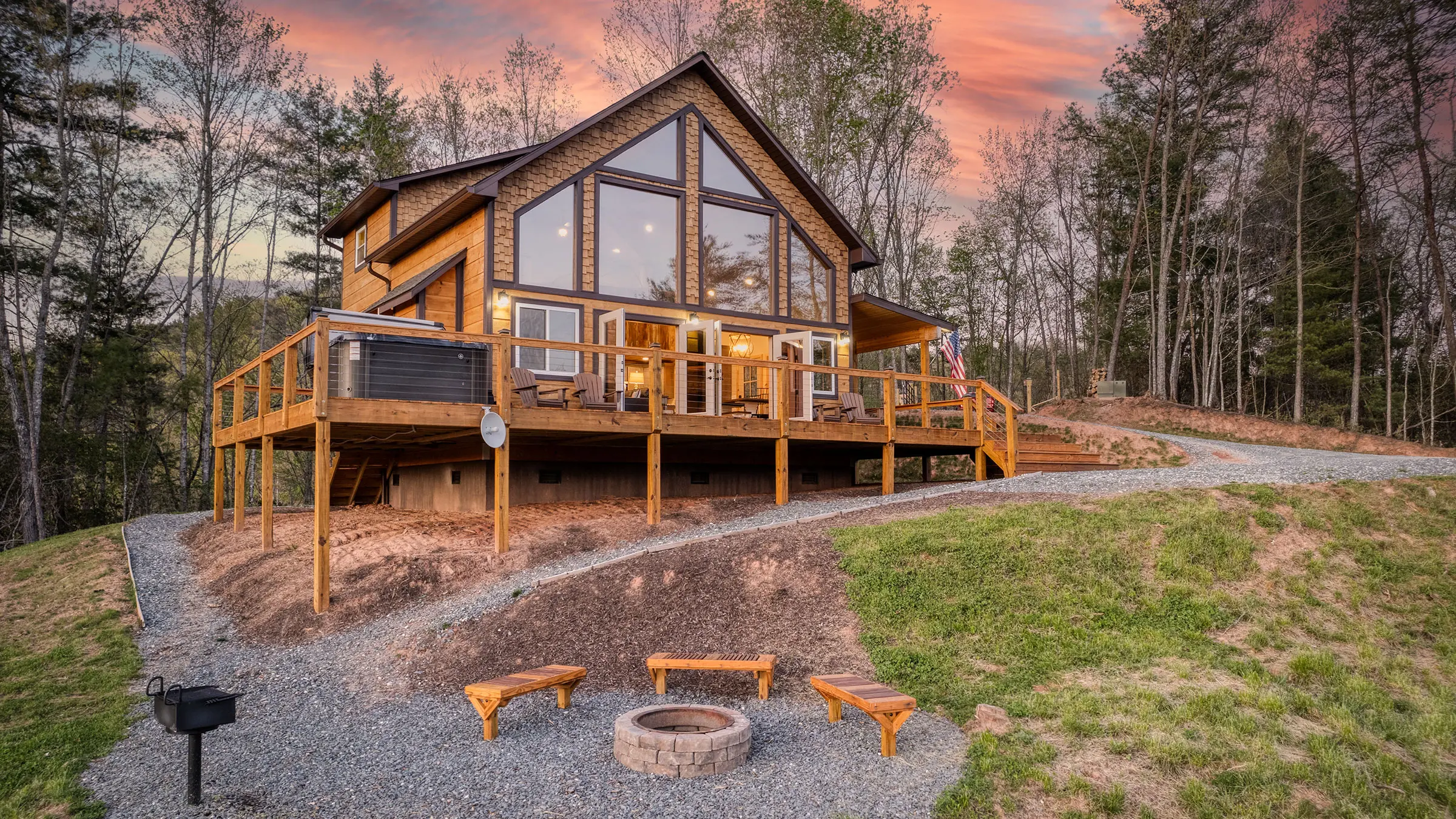
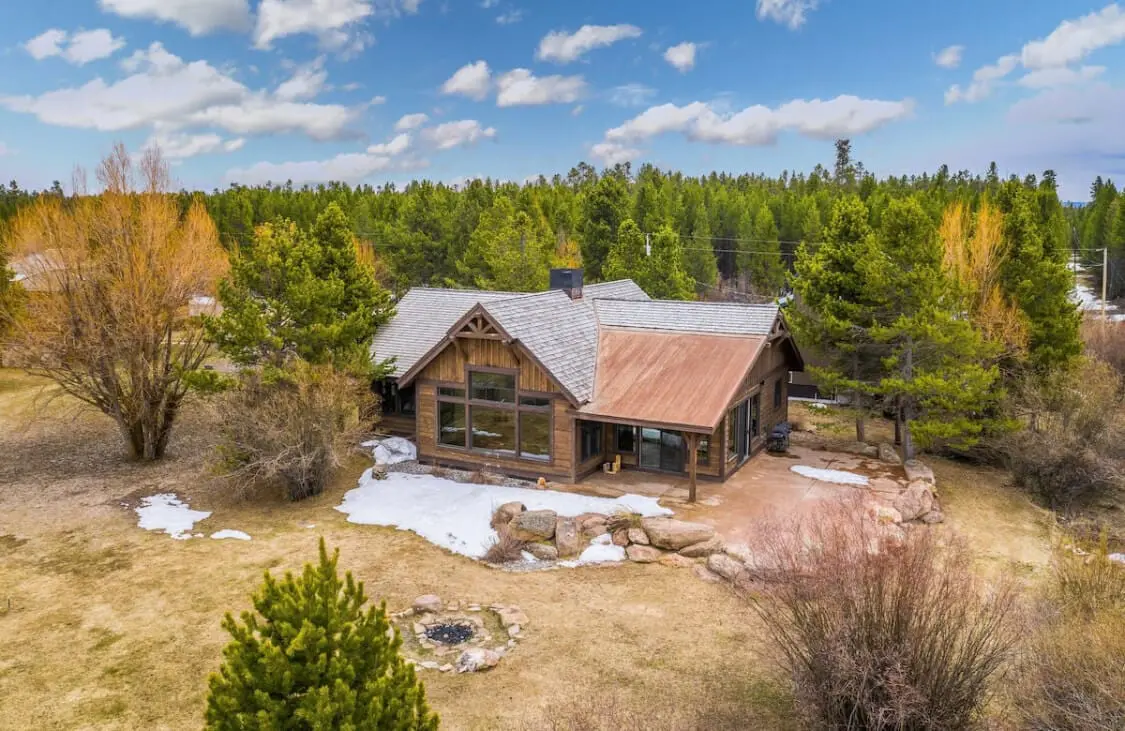
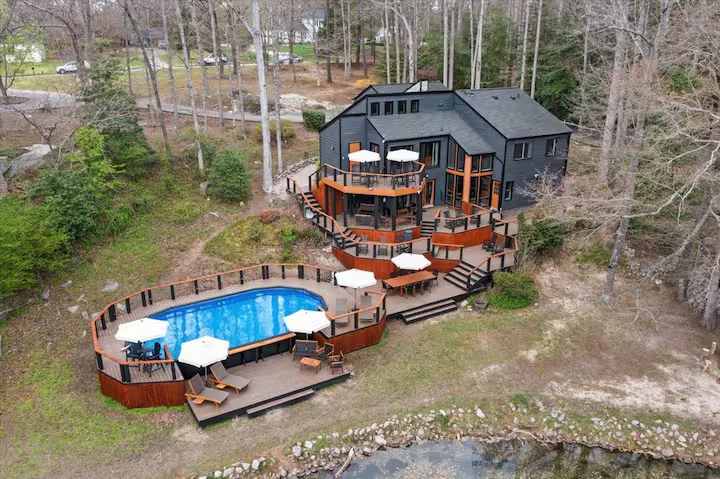
To the west, the Blue Ridge and Shenandoah are rated on amenities and access. A mountain cabin that sleeps a large group, with a hot tub, multiple decks, and a fire pit, is a liability story before anything else. Add the high rebuild cost of a large timber structure and the distance to the nearest fire station on a rural road, and the premium takes shape from factors that have nothing to do with wind.
Between them sits a historic-urban tier — Williamsburg, Richmond, Charlottesville — where older construction, ordinance and law exposure, and a patchwork of local rental ordinances drive the number instead. Across all three, Virginia rewards a program matched to the property’s real geography and penalizes one sold off a generic template.
Why There Is No Single Virginia STR Insurance Number
Ask a Chincoteague host and a Shenandoah host what they pay and you will get two answers that seem to belong to different states. Both are correct, and the gap between them is the point.
A statewide average would blend a barrier-island beach house rated on hurricane wind, a large mountain cabin rated on its amenities and rebuild value, and a historic Richmond row house rated on older construction into one midpoint that describes none of them. The drivers point in opposite directions — a coastal wind deductible has no bearing on a mountain cabin, and a hot-tub liability load has none on an oceanfront lot. Averaging them erases the information a Virginia host actually needs.
Carriers do not rate Virginia as a state, either; they rate a barrier island, a mountain county, and a historic district each on its own exposure. The right question is never “what is the Virginia rate” — it is “what does this property, in this part of Virginia, cost to insure.” That is what a quote on the Virginia short-term rental insurance page answers.
Cost by Coverage Line in Virginia
A Virginia STR program is assembled from several lines, and on the coast some sit on more than one policy. What each line does — and which region leans on it hardest — separates a policy that responds from a cheap one that does not.
General Liability
This line answers for third-party bodily injury and property damage during a guest stay — a slip on a wet deck, an injury at the hot tub. The Blue Ridge leans on it hardest, because amenity density and group capacity drive it directly. See general liability for short-term rentals.
Property and Dwelling
The dwelling line covers the structure, written on a form that expects paid guest turnover rather than owner occupancy, and rated on replacement cost. On the coast the wind peril is often carved out to its own layer; in the mountains, the rebuild cost of a large timber cabin sets it. See property and dwelling coverage.
Loss of Rents
Loss of rents replaces rental income while a covered loss keeps the property off the market. Coastal income concentrates in summer, so a named storm that closes a beach house during peak weeks is a large loss — an extended period of restoration endorsement is worth pricing. See loss of rents coverage.
Ordinance and Law
Ordinance and law covers the gap between rebuilding what stood and rebuilding to current code. It matters most in the historic tier — Williamsburg, Richmond, Charlottesville — where older construction meets modern building requirements, and it is one of the most often omitted lines. See ordinance and law coverage.
Flood — the Coastal Layer
Flood is excluded from every standard property policy and bought separately. The National Flood Insurance Program is explicit that most homeowners insurance does not cover flood damage, so Virginia Beach back-bay lots, the low-lying Eastern Shore, and Chincoteague need it addressed on its own. See flood insurance.
Umbrella and Excess
An umbrella stacks higher limits over the primary liability layer, and it is one of the most cost-efficient lines for a large-capacity Blue Ridge cabin. See umbrella and excess liability.
Cost by Major Virginia Market
Virginia STR pricing tracks the kind of place a property sits in far more than any statewide figure can. The table below makes the coast-and-mountain opposition legible before the market notes that follow.
| Virginia archetype | Dominant cost driver | Main property-side concern | Loss-of-rents trigger |
|---|---|---|---|
| Coastal — Virginia Beach, Eastern Shore, Chincoteague | Named-storm wind and coastal flood | Wind and flood deductible structure | Storm closure during peak summer weeks |
| Blue Ridge and Shenandoah cabin | Amenity density and guest capacity | High rebuild cost and distance to fire service | Displacement after a covered loss in season |
| Historic urban — Williamsburg, Richmond, Charlottesville | Older construction and local ordinance | Ordinance and law and code upgrades | Repair displacement in an older structure |
Virginia Beach, the Eastern Shore, and Chincoteague
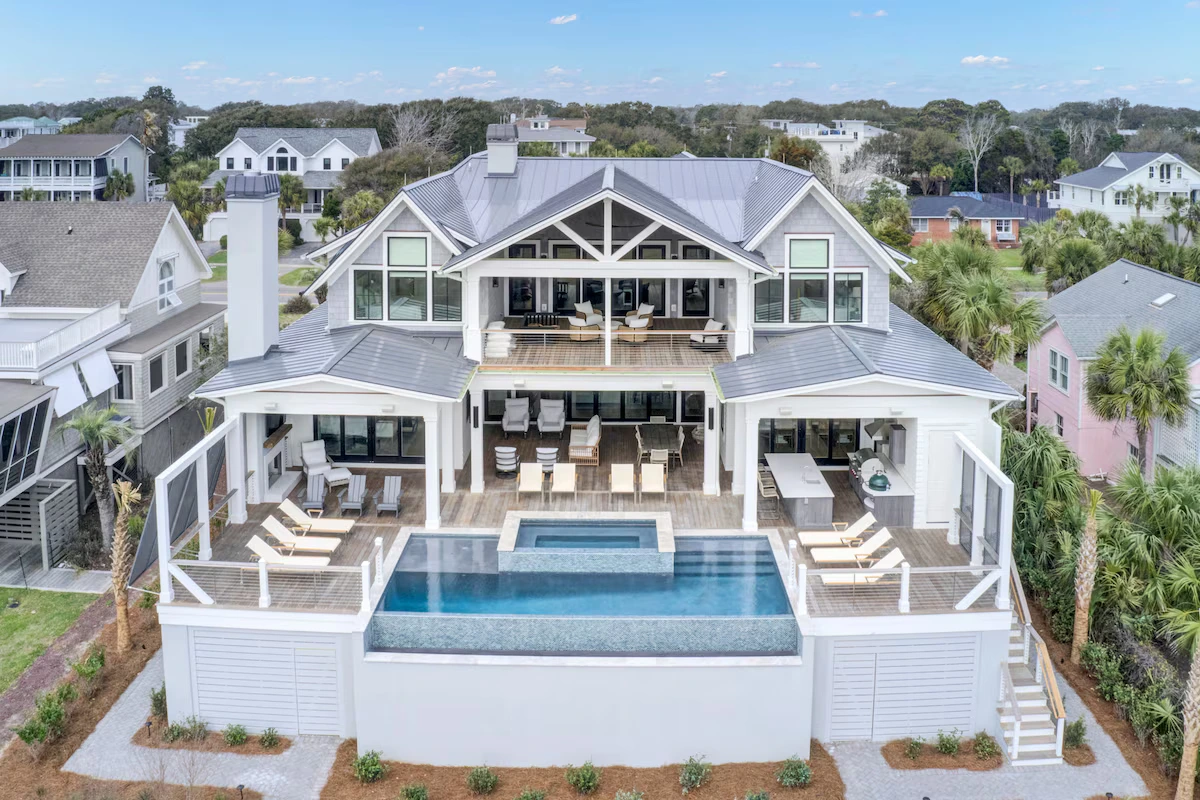
The coastal tier carries the state’s heaviest catastrophe load. Virginia Beach oceanfront and back-bay lots, the low-lying Eastern Shore, and Chincoteague on its barrier island are rated on Atlantic named-storm wind and coastal flood first — the percentage wind deductible and a separate flood layer dominate the program. A coastal beach house is rated on the storm before its square footage enters the conversation.
The Blue Ridge and Shenandoah
The mountain tier prices on amenities, capacity, rebuild value, and access rather than weather. A Blue Ridge cabin with several hot tubs, layered decks, and large group capacity is a liability story, and a remote parcel a long drive from the nearest fire station carries a higher property rate for the distance alone. Big timber structures push the rebuild cost — and the dwelling limit — well up.
Williamsburg, Richmond, and Charlottesville
The historic-urban tier turns on construction age and local rules. Older buildings raise ordinance and law exposure, and the registration, zoning, and occupancy conditions in each locality’s rental ordinance shape which properties can operate and on what terms. A single-family rental in one of these districts is underwritten on its construction and its permit as much as anything else.
The Virginia Coverage Gap We See Most
Virginia’s most common coverage gap wears two faces, one on each side of the state, both from the same root: a property still insured on the form it was first sold, after its geography changed what it needed.
On the coast, the gap is a beach or island property carrying a flat wind deductible and no flood policy. A host keeps the homeowners policy the Virginia Beach or Chincoteague property came with and lists it for paid stays. That policy was never built for a barrier island — the flat deductible is not how coastal wind is structured, storm surge is excluded as flood, and the commercial rental use falls outside the form. It holds up until a named storm arrives, and then it does not.
In the Blue Ridge, the gap is a cabin whose liability was never sized for what it became. A mountain property gains hot tubs, decks, a fire pit, and a higher guest count over a few seasons, but the policy still reflects the quiet second home it started as. The liability limit is thin for the amenity profile, the rebuild value is stale, and the distance to fire service was never priced. Nothing goes wrong until a guest is hurt at the hot tub — and then the coverage argument begins.
Scenario: a Shenandoah cabin carried over from a family second home
We worked with a host who owned a large timber cabin in the Blue Ridge foothills that slept a big group, with two hot tubs, a wraparound deck, and a fire pit, reached by a gravel road a good distance from the nearest fire station. It was still insured on the homeowners policy left over from when it was a quiet family retreat. Once it went onto the booking platforms most weekends, that policy no longer described the property — the liability had never been sized for the amenity profile the cabin had grown into.
Nothing had gone wrong yet, which is the only reason the fix stayed clean. We moved the cabin onto a dwelling form built for paid guest occupancy, rebuilt the liability around the hot-tub-and-deck exposure and the group capacity, updated the dwelling limit to the real timber rebuild cost, and reflected the distance to fire service in the property rate. Had a guest been hurt at a hot tub that first busy season, the host would likely have been arguing about coverage rather than using it.
The fix is the same on both sides of the state: a policy placed with full knowledge of the property’s real geography and how it operates.
How to Lower Your Virginia STR Insurance Cost
Virginia premium responds to several levers, a few of them coastal only:
- Choose the coastal wind deductible deliberately. A higher percentage named-storm deductible lowers the premium; size it to what you could absorb after a storm.
- Document wind mitigation on the coast. A newer roof, tie-downs, and impact-rated openings improve both pricing and insurability on a barrier-island or oceanfront property.
- Right-size the dwelling limit to rebuild cost. Underinsuring invites a claim-time gap; over-insuring wastes premium — and on a large cabin, the timber rebuild cost is the number that matters.
- Document amenity safety in the Blue Ridge. Hot tub covers and locks, posted occupancy limits, and fire-pit clearances support better liability pricing on an amenity-heavy cabin.
- Bundle the program with one carrier. Liability, dwelling, loss of rents, and contents written together usually price better than scattered placements, though coastal wind and flood stay separate by design.
- Do not cut catastrophe coverage to chase a lower number. Dropping flood on a coastal lot or thinning wind on the shore is not a saving — it is the largest loss you can have, left uninsured.
For the regulatory side, the Virginia Bureau of Insurance, part of the State Corporation Commission, licenses and oversees the carriers writing coverage across the Commonwealth.
When to Restructure Your Virginia Coverage
Re-shop or restructure your Virginia STR coverage when any of these is true:
- Your coastal property still carries a flat wind deductible from a pre-listing homeowners policy. Coastal wind is structured as a percentage, and the flood layer needs its own policy.
- You have no separate flood policy on a Virginia Beach, Eastern Shore, or Chincoteague property. That is the first gap to close.
- You bought the policy before you listed the property. A carried-over homeowners policy almost certainly does not contemplate paid guests.
- You added amenities or capacity to a mountain cabin. New hot tubs, a larger group count, or a new deck move the liability and umbrella exposure.
- It has been more than a year since anyone reviewed the program. Coastal pricing, carrier appetite, and local rental ordinances all shift.
If any of those apply, submit a quote or start with a vacation rental insurance overview, and we will structure the program around which Virginia your property actually sits in.
Frequently Asked Questions
How much does short-term rental insurance cost in Virginia?
There is no single Virginia number, because Virginia is two rental markets with opposite risk profiles. A Virginia Beach or Chincoteague property is rated first on named-storm wind and coastal flood, with a percentage wind deductible that never appears on the annual bill. A Blue Ridge or Shenandoah cabin is rated on amenities, guest capacity, rebuild cost, and how far it sits from a fire station. A historic Williamsburg or Richmond listing turns on older construction and local ordinance. What you pay follows which Virginia the property sits in, so the only honest figure is a quote on the specific address.
Why is coastal Virginia short-term rental insurance rated differently than the mountains?
The two regions are exposed to opposite perils. Coastal Virginia — Virginia Beach, the Eastern Shore, and Chincoteague on its barrier island — carries Atlantic named-storm wind and coastal flood, so the premium is built around a percentage wind deductible and a separate flood layer. The Blue Ridge and Shenandoah cabins have little wind or coastal-flood exposure; their cost is driven by hot tubs, large group capacity, high rebuild values on big log structures, and distance to the nearest fire service. Same coverage question, two entirely different rating engines.
Do I need flood insurance for a coastal Virginia short-term rental?
On the coast it is close to essential, and it is worth confirming anywhere near water. Flood is excluded from every standard property policy and bought separately, often through the National Flood Insurance Program. Virginia Beach back-bay lots, the low-lying Eastern Shore, and Chincoteague all carry real surge and tidal-flood exposure, and a barrier-island address can flood well outside a mandatory zone. Confirm the flood zone before assuming the property is outside one, because a dwelling policy will not quietly include it.
Does Virginia require special short-term rental licensing or insurance?
Virginia does not impose one statewide short-term rental insurance mandate, but localities regulate rentals through their own ordinances, and the rules differ sharply from place to place. Historic and tourism-heavy jurisdictions such as Williamsburg, Richmond, and Charlottesville set registration, zoning, and occupancy conditions that a host has to meet locally. The permit itself classifies the property as a commercial lodging use, which a standard homeowners form is written to exclude.
What is the most common Virginia short-term rental coverage gap?
It splits by region. On the coast, the frequent gap is a beach or island property carrying a flat wind deductible and no flood policy — a structure that cannot respond to a named storm. In the Blue Ridge, the gap is a cabin whose liability was never sized for its hot tubs, decks, and large-group capacity, or that sits far from fire service with a rebuild value the old policy never reflected. Both are fixed by matching the program to the property’s real geography rather than the form it was first sold on.
Are Airbnb AirCover and VRBO host protection enough for a Virginia property?
No. Both are supplemental platform programs, not a substitute for the property’s own policy, and the platforms themselves tell hosts to carry their own coverage. They apply only to stays booked through that platform, so direct bookings fall outside them, and they do not insure the structure against a coastal named storm or a Blue Ridge fire between guests, nor replace rental income during a closure. Treat them as a supplement to a dedicated Virginia policy, never as the policy itself.
How fast can STR Guard quote Virginia short-term rental insurance?
We typically return Virginia quote requests within a couple of hours during business hours, and you will hear back the same business day. Coastal placements where the wind and flood layers need confirming, and large Blue Ridge cabins with multiple amenities, can take a little longer to assemble. Submit the property details through the quote form and we build a program from carriers actively writing Virginia short-term rental coverage rather than quoting off a calculator.
The Bottom Line on Virginia Short-Term Rental Insurance Cost
Virginia is one state and two insurance markets that barely resemble each other. On the coast — Virginia Beach, the Eastern Shore, Chincoteague — the program is assembled around the storm: a percentage wind deductible, a separate flood layer, and a dwelling form built for barrier-island exposure. In the Blue Ridge and Shenandoah, the storm hardly enters it; the premium is driven by amenities, guest capacity, rebuild value on large cabins, and how far the property sits from the nearest fire service. The historic tier — Williamsburg, Richmond, Charlottesville — adds older construction and local ordinance to the mix. The hosts who pay fairly are the ones who match the program to which Virginia the property actually sits in.
If you want a real number for your property, submit a quote or call 317-942-0549. We respond within a couple of hours during business hours and place coverage from carriers actively writing Virginia short-term rental property — from a coastal beach house to a Blue Ridge cabin.